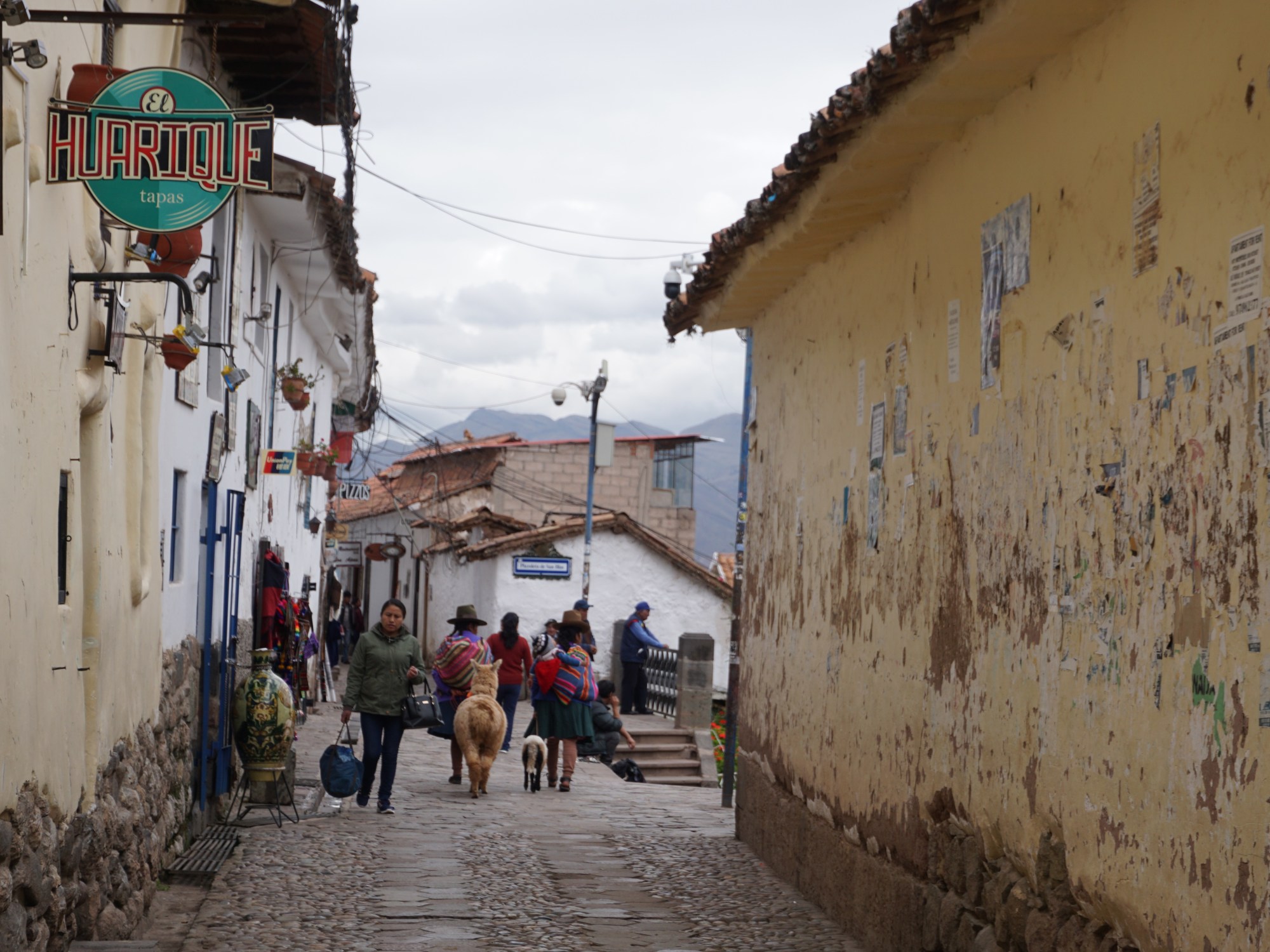
Peru Part One
After finishing our time in Chile we flew to Lima to start our 15 day Intrepid Travel Tour. We booked this tour as a part of our package to complete the Inca Trail.
Other than multi-day hikes we haven’t ever done a tour. We booked this well before we left New Zealand and were really looking forward to being looked after for a couple of weeks without having to do any organisation. As you will see we covered a lot in 15 days.
We met our group of fifteen, a mixture of Australian, New Zealand, British and American travellers as well as our local guide, Uriel and spent our first day exploring Lima.
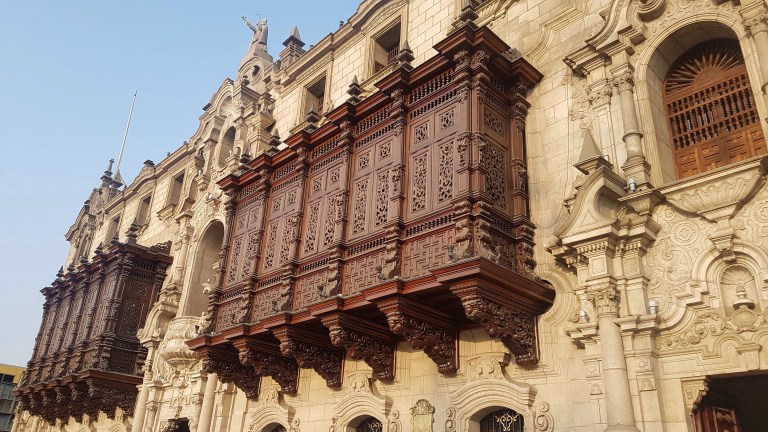
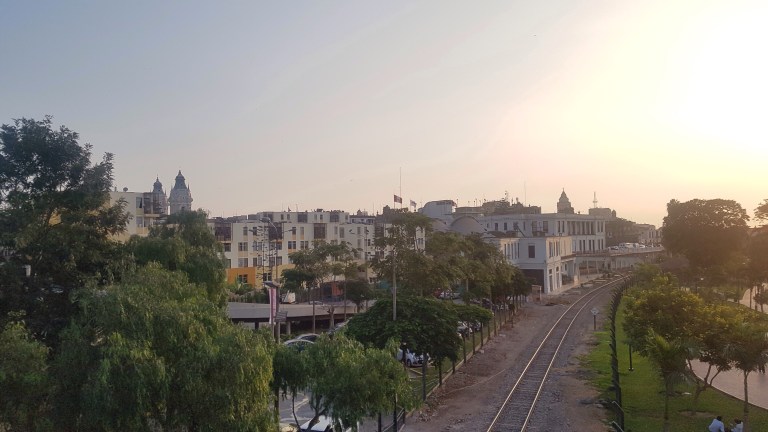
Lima is an enormous city where there is an increasing gap between the rich and poor. We had the experience of taking a local bus at peak hour into the central city. The buses were so crammed we were literally face to face with the other passengers on board. Even with the bus completely full the driver would still stop and more people would attempt to push on.
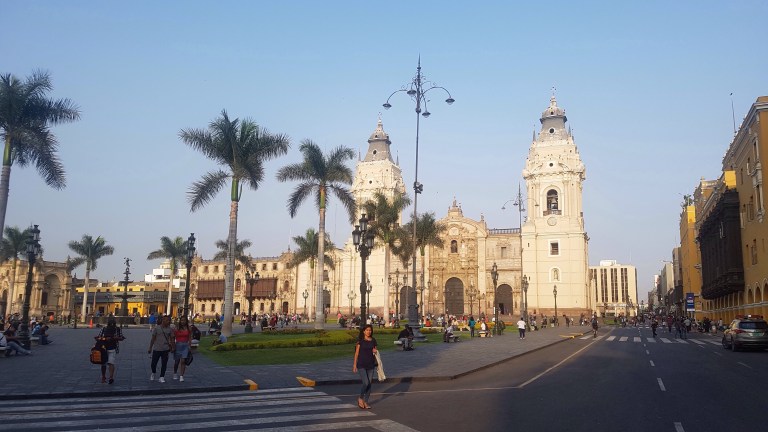
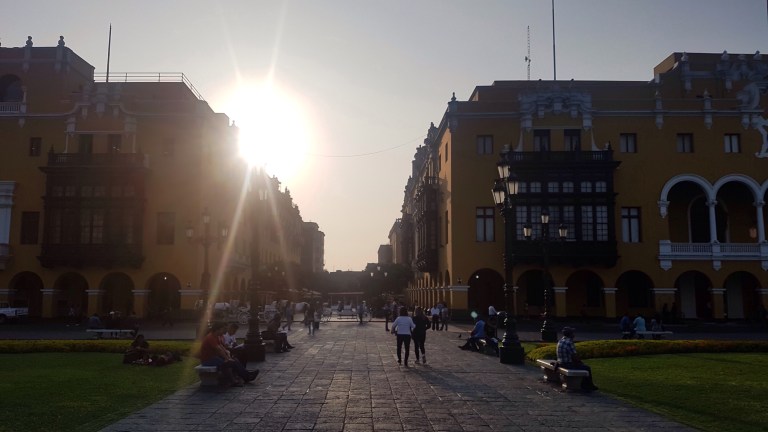
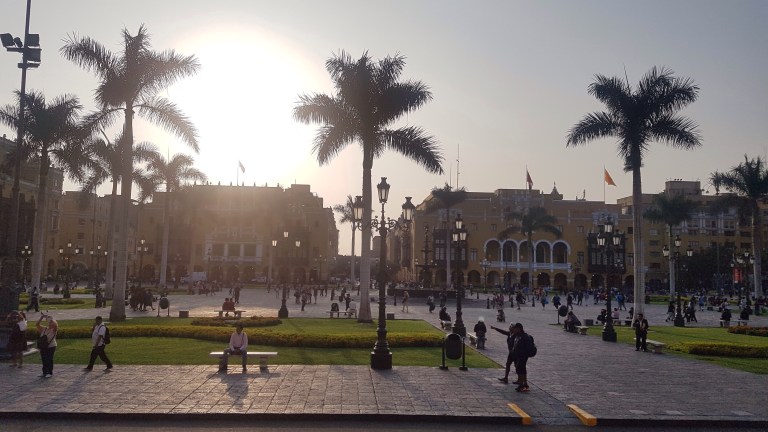
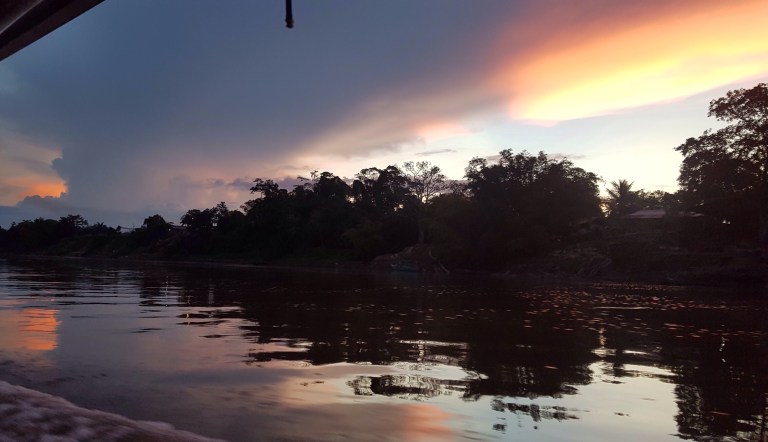
It was nice staying in a comfortable hotel and being transferred to the airport the following day to fly to the Amazon Rainforest. Our flight ended up having mechanical problems and had to redirect back to Lima half way into the trip. They swapped our plane and we were back on our way. We arrived at our jungle lodge in the dark by boat.
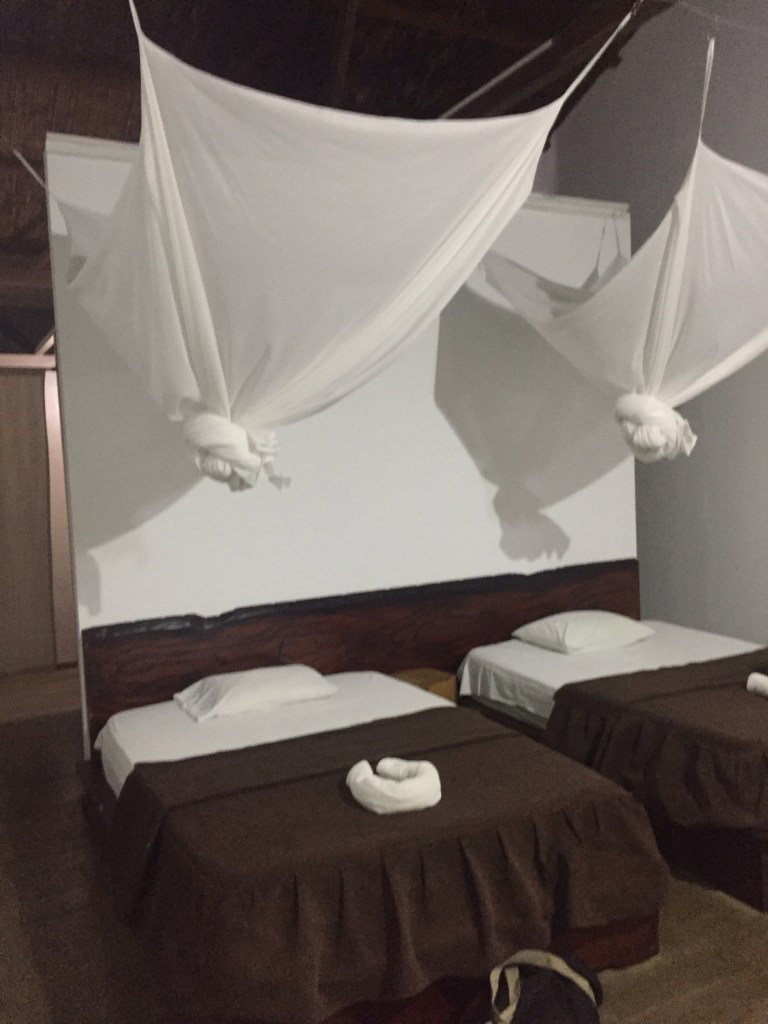
The jungle lodge we stayed in was very different to the other jungle style accomodation we have stayed in previously, in a very good way. Clean linen, ensuite a proper mosquito net and restaurant breakfast, lunch and dinners made the stay very comfortable.
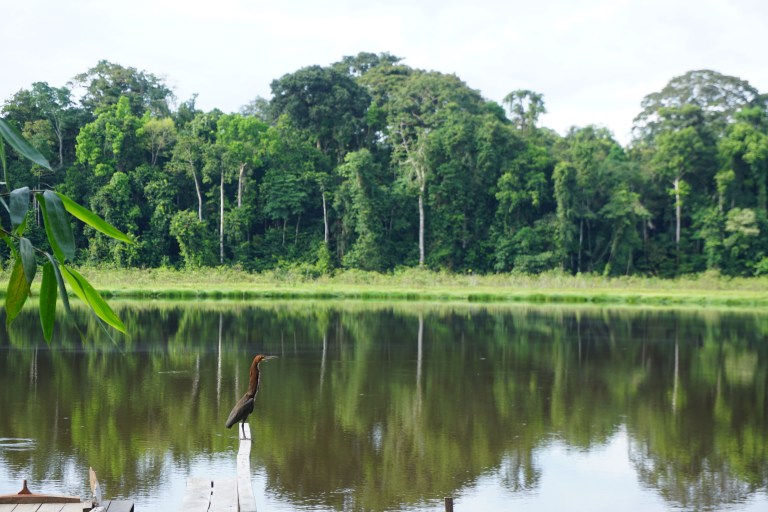
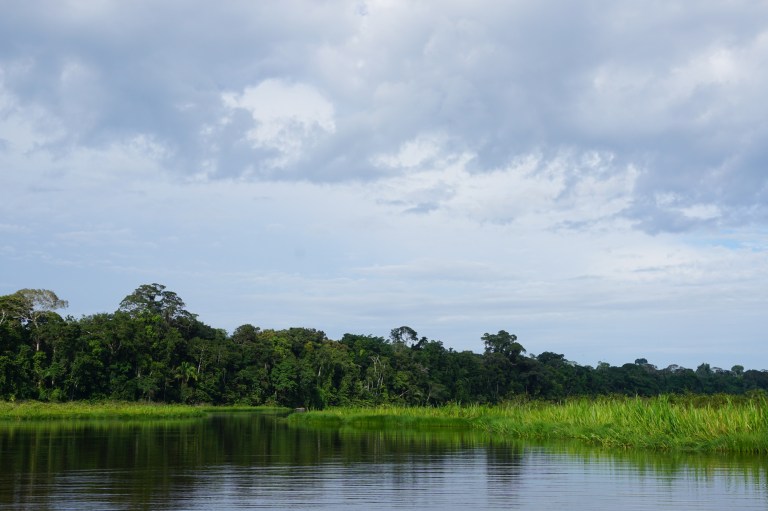
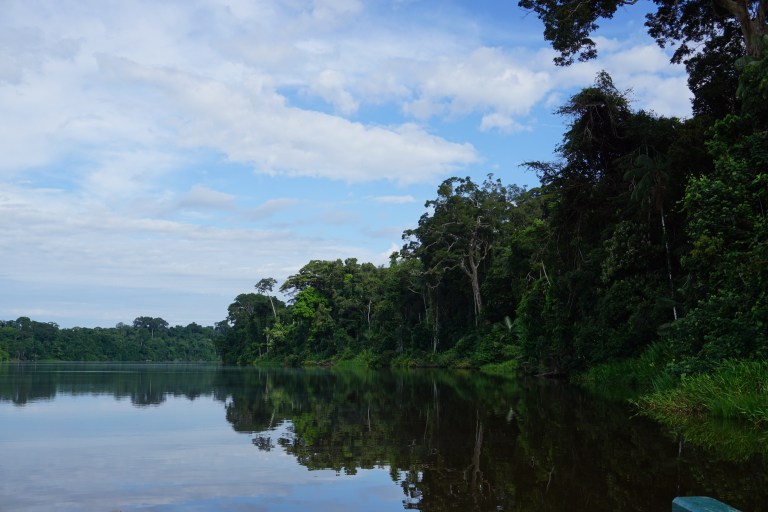
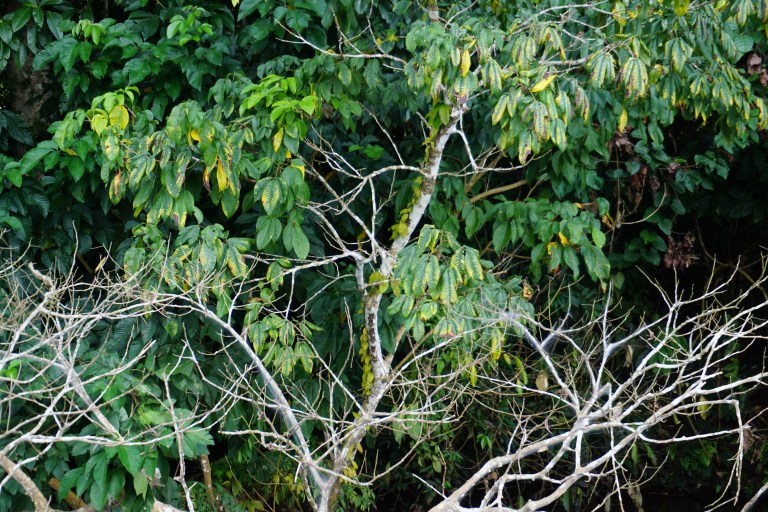
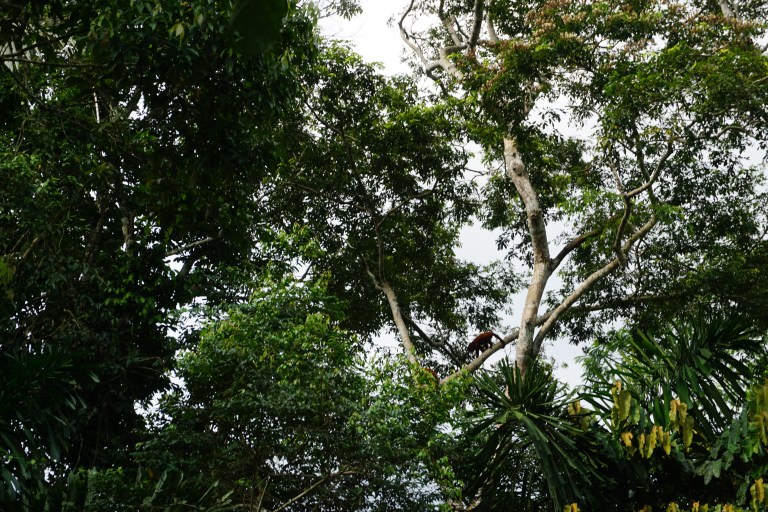
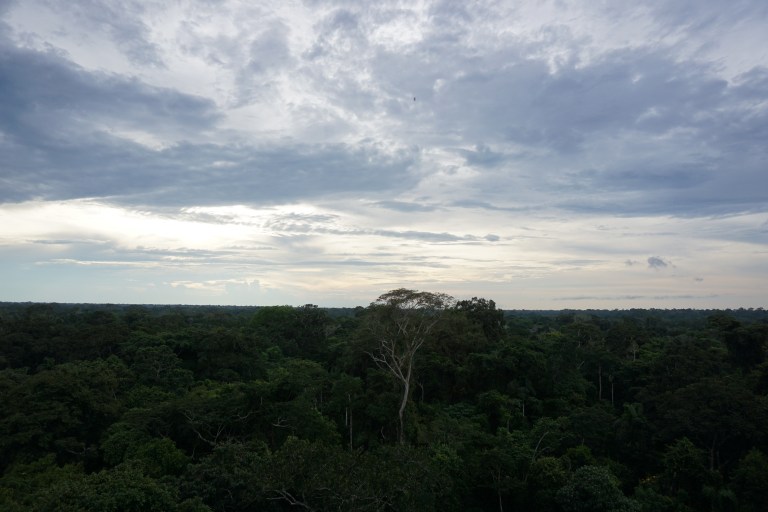
Our first day in the Amazon was spent on a boat on a lake wildlife spotting. We saw multiple birds, bats, butterflies, a turtle and some capybaras! We walked through the jungle to a viewing point where we could see the Amazon from above the canopy.
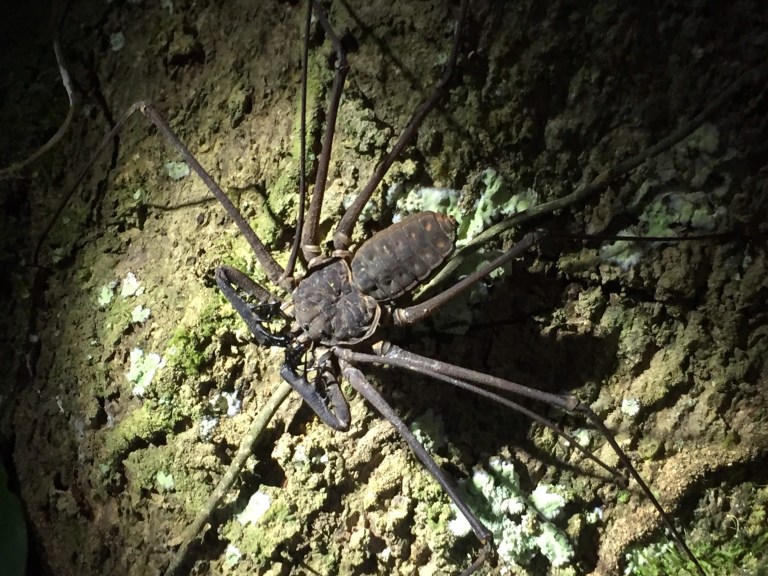
In the evening we went on a guided night walk where we saw a variety of different spiders who probably weren’t too happy to see us.
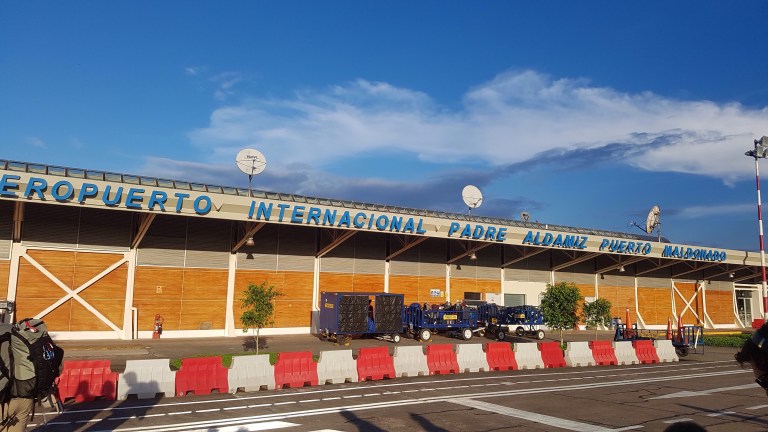
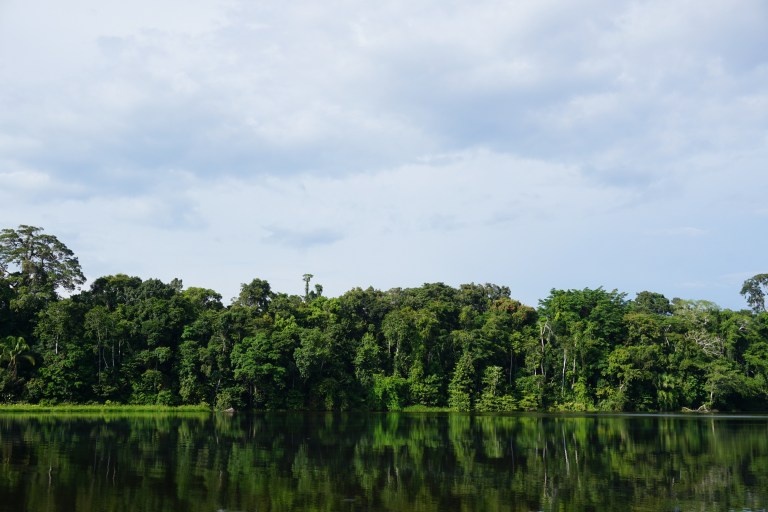
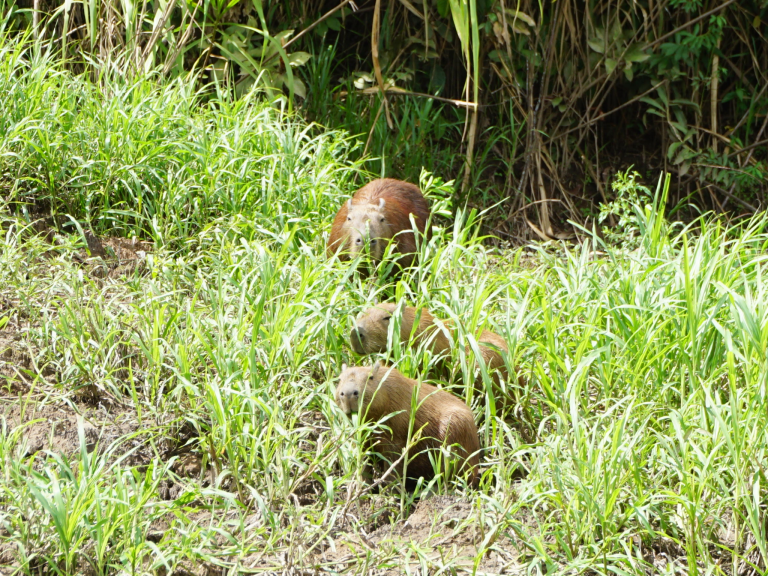
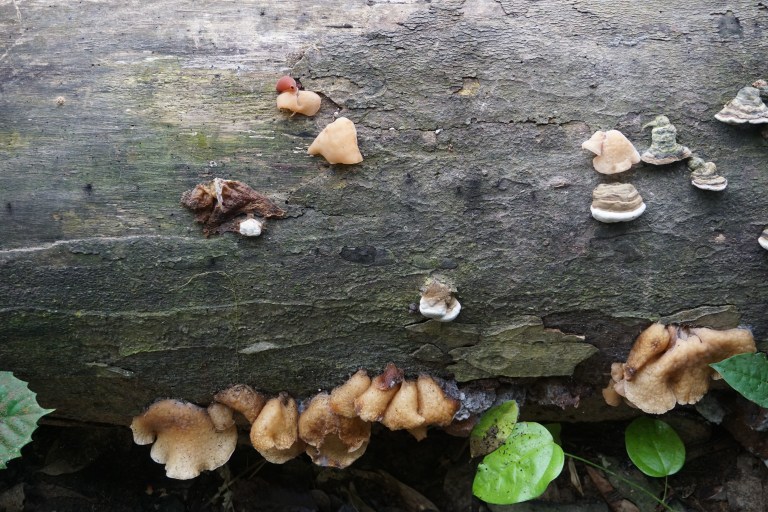
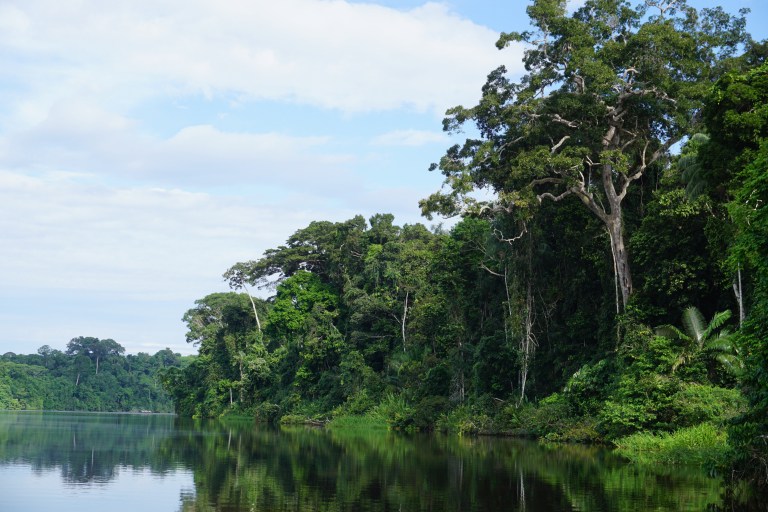
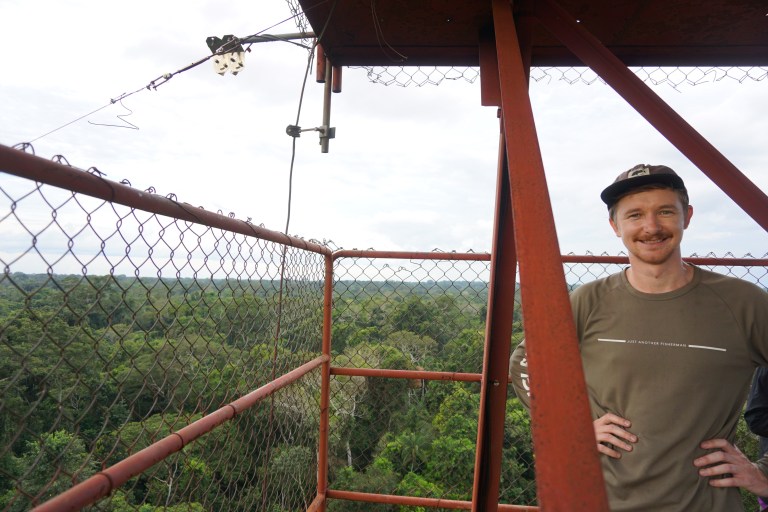
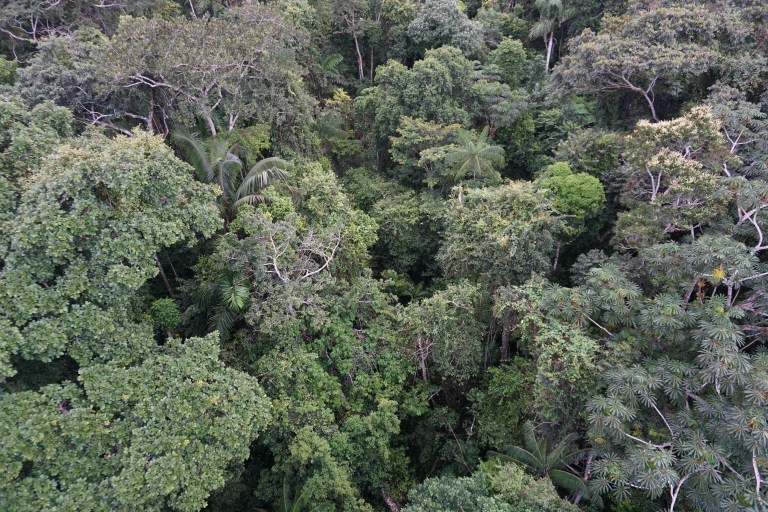
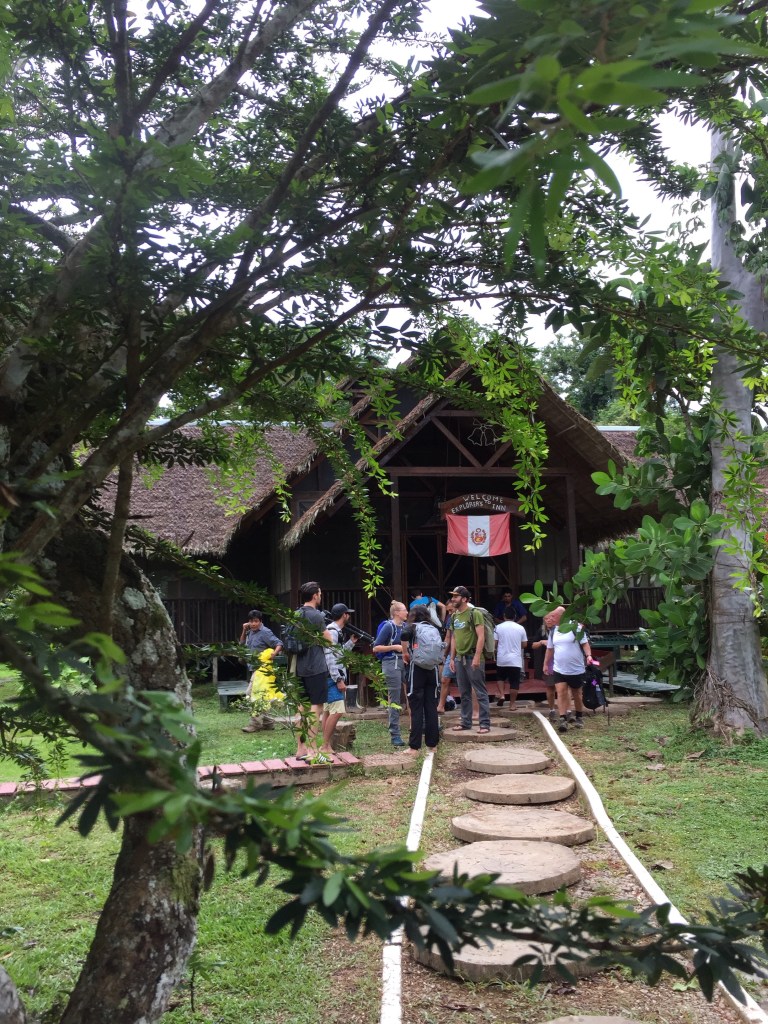
We departed from the Amazon from Puerto Maldonado where we caught a flight direct to the former capital of the Incan Empire, Cusco.
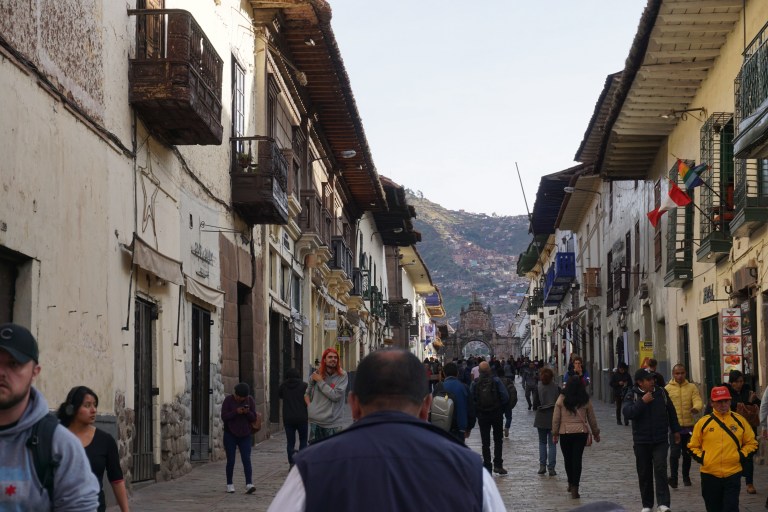
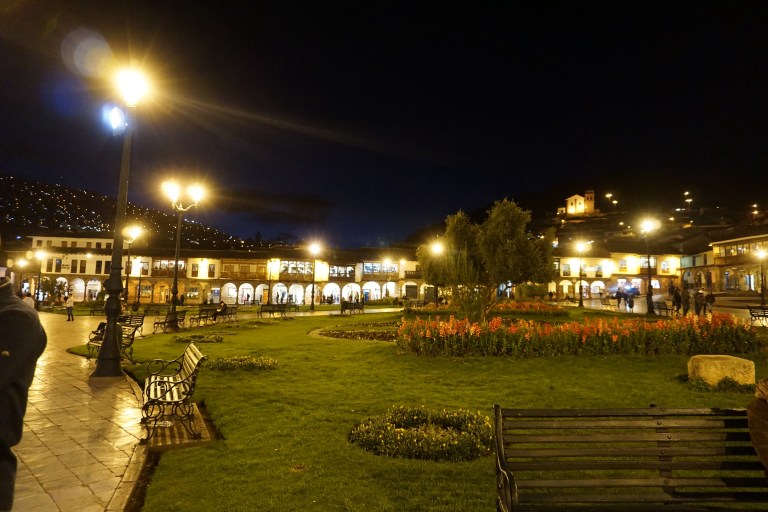
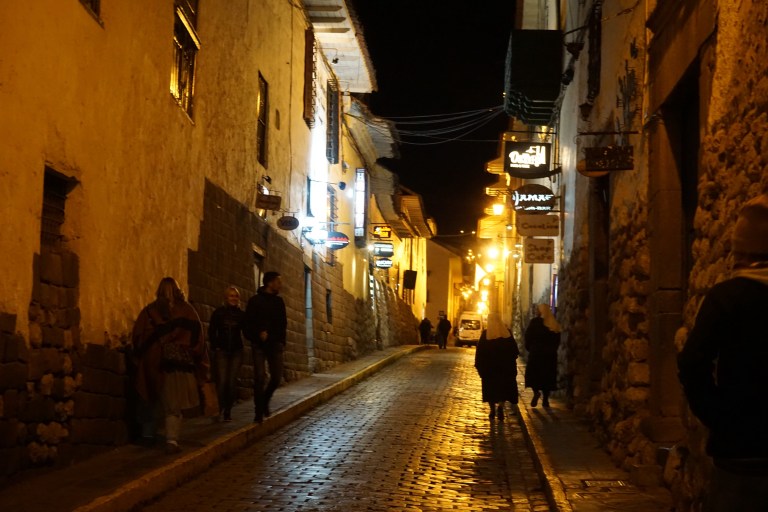
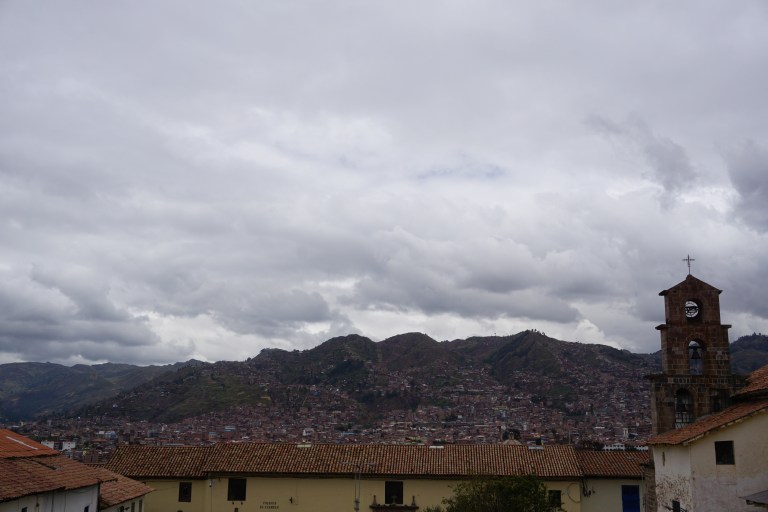
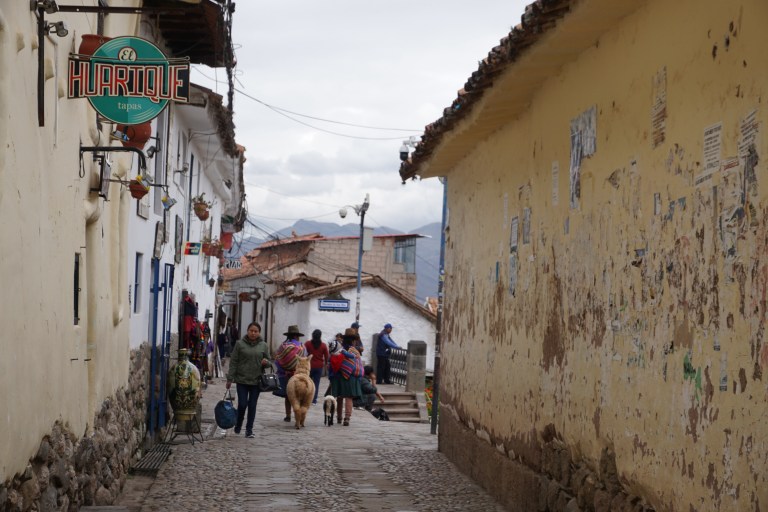
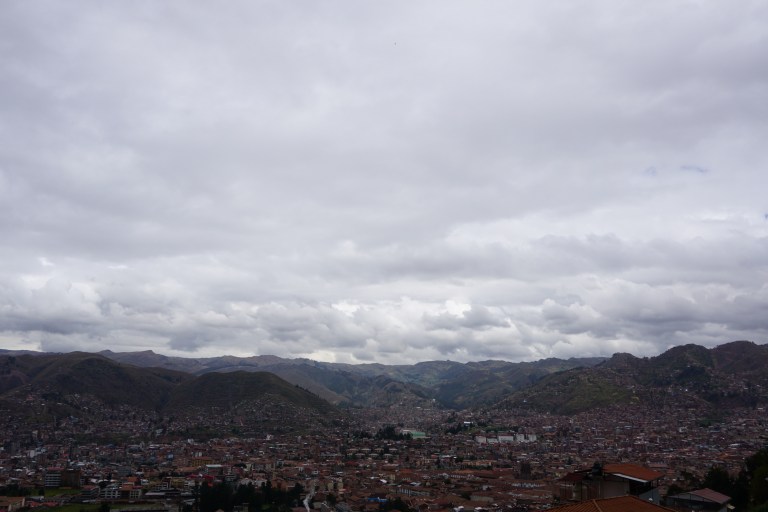
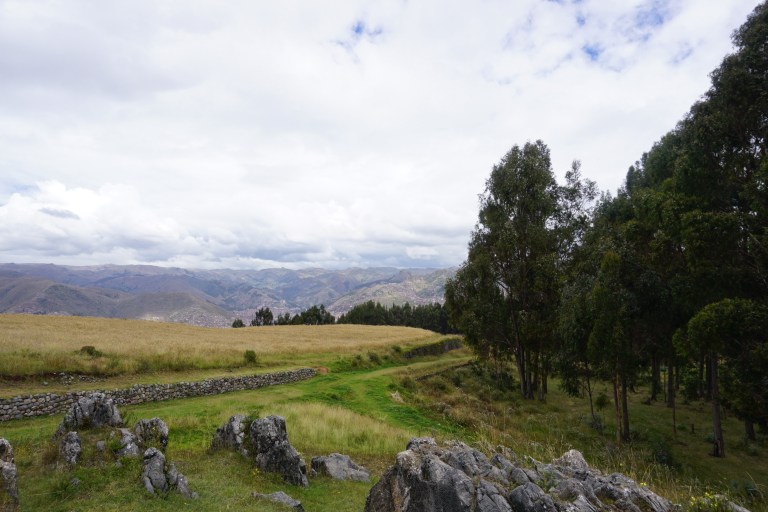
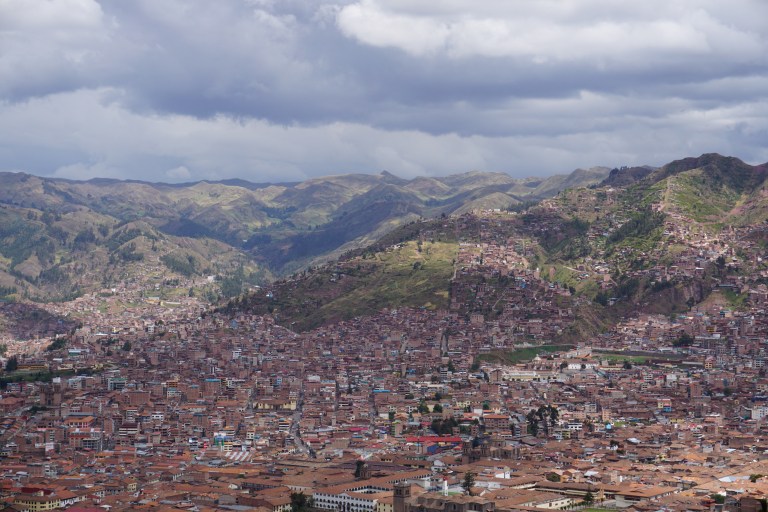
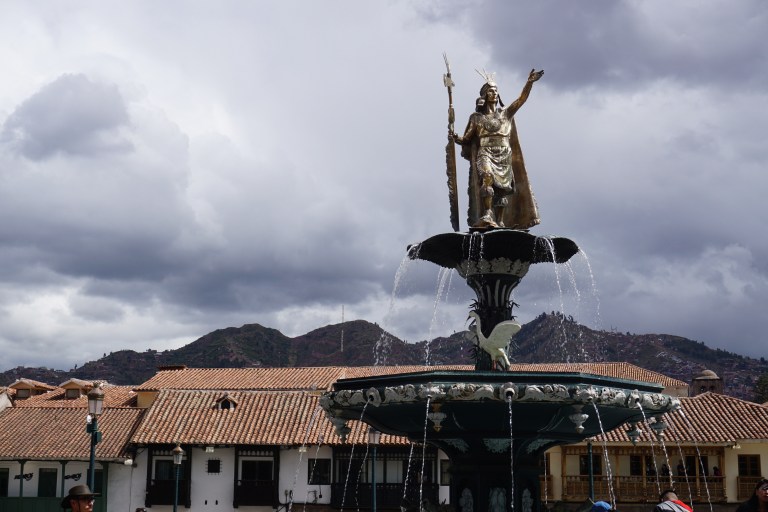
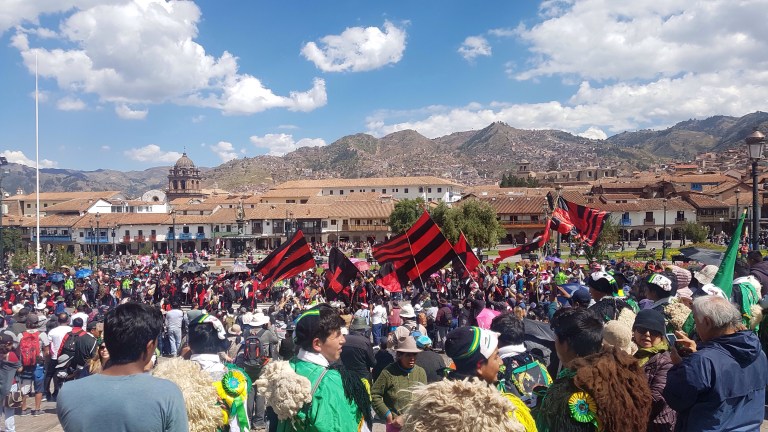
Cusco is a gorgeous city perched up on the foothills of the Andes at 3400 metres above sea level. Our first day was spent exploring and acclimatising to the altitude. On our second day we were supposed to travel to the Sacred Valley but due to a strike which closed the roads we were unable to go. We spent another day in Cusco, explored some shops and took a walk up one of the hills. That evening, when the roads opened, we travelled two and a half hours to the Sacred Valley to stay the night in a hotel before beginning our four day trek to Machu Picchu. (See the Inca Trail post for more info on this).
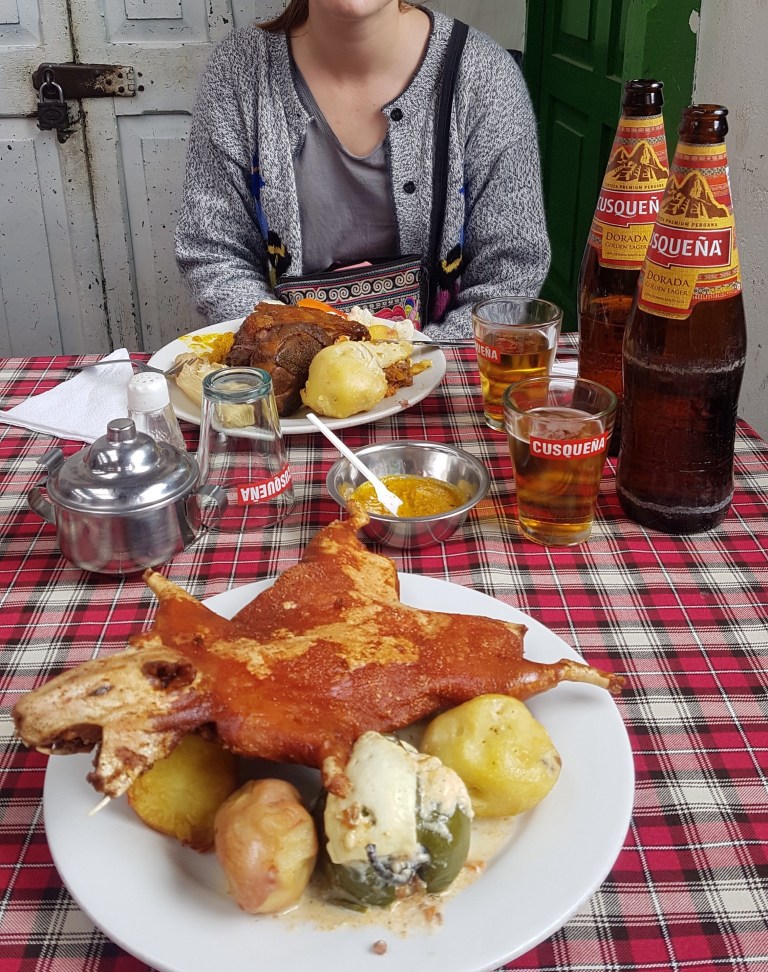
We had a day free in Cusco to recover from our trek after completing the trail. Matt and I ditched the group and went out for lunch at a small local restaurant where Matt enjoyed a whole barbecued guinea pig (casual) and I had a slow cooked piece of lamb with lots of locally grown veggies. We also visited the Inka Museum where we saw tools that the people used to build with as well as some mummies.
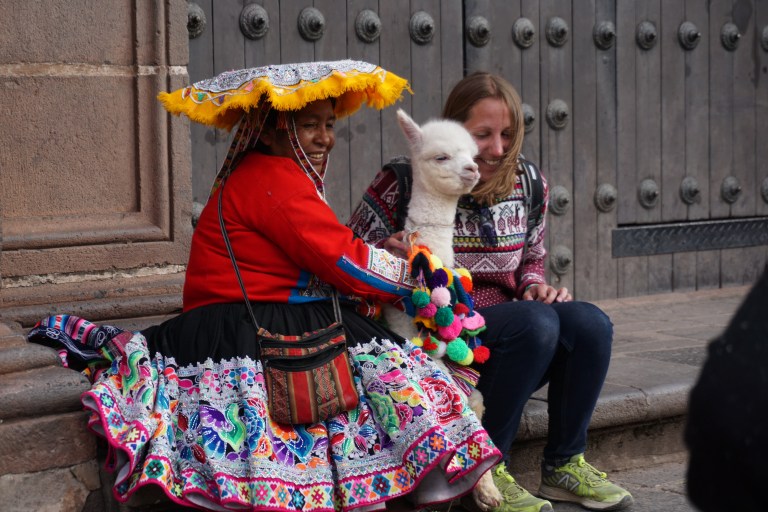

Puno/ Lake Titicaca
The following morning we took a seven hour bus to the Puno region in the South of Peru. This was our base for exploring Lake Titicaca, the highest navigable lake in the world. We spent the afternoon choosing a gift for our home stay family where we would be staying the following night.
The recommended gifts were practical ones. Rice, sugar, milk powder, cooking oil, pasta and some fresh fruit. As our host family lived out on the peninsula it made it difficult for them to take a boat into town to buy supplies that they cannot grow themselves.
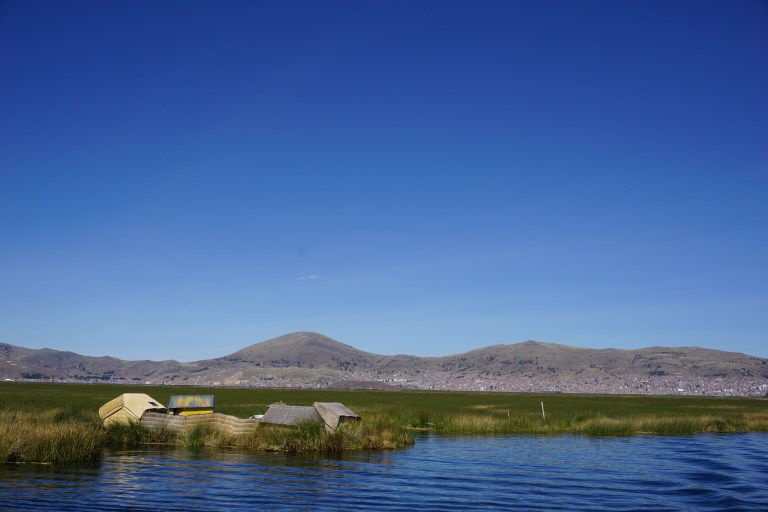
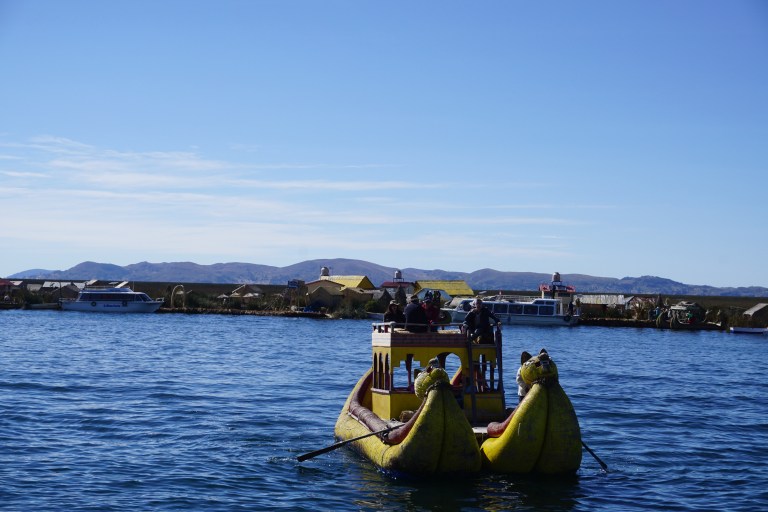
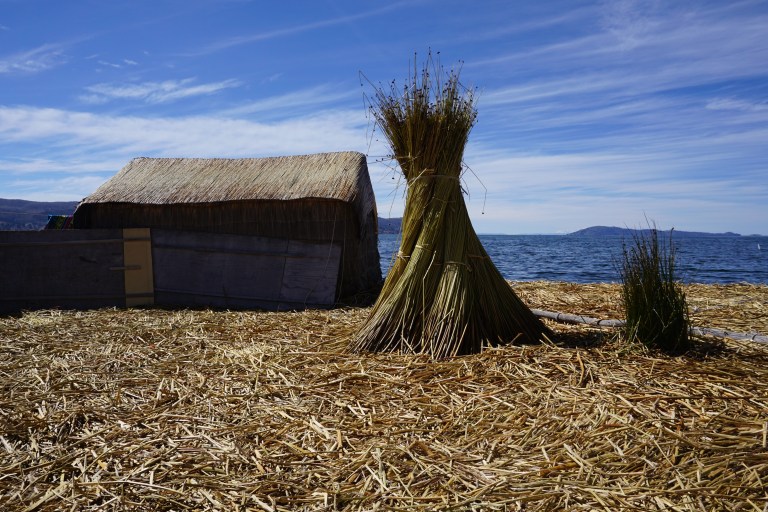
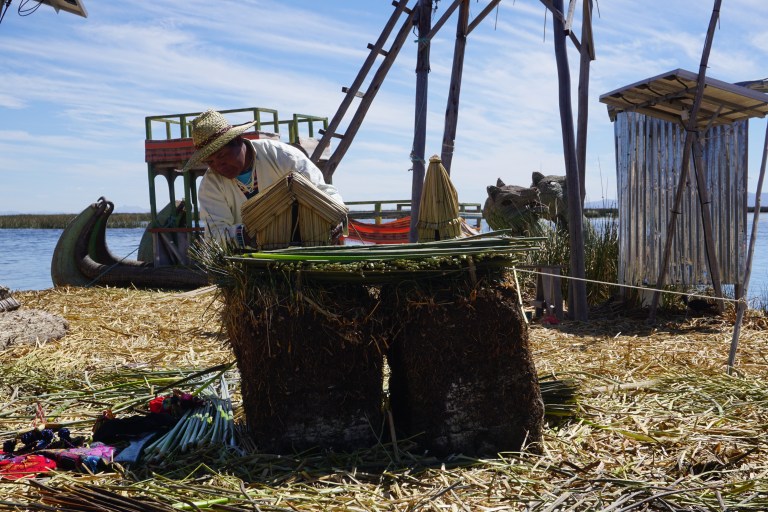
On our way to arriving at our homestay by boat we stopped at one of the unique islands of Uros. The Uros islands are man made out of the reeds that grow in the area. They are piled on top of roots on the lake to create a spongy yet dry surface where six to eight families live. Life on these islands is very basic and as they cannot grow their own food they rely on trading the fish they catch with the other communities, like our homestay family.
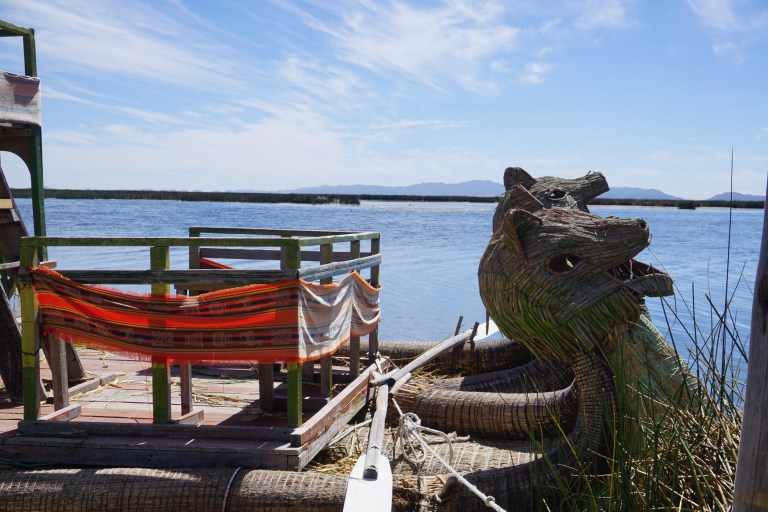
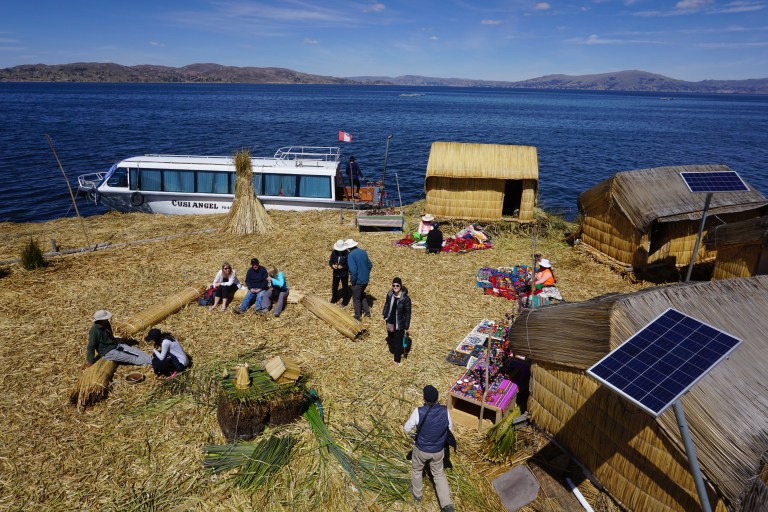
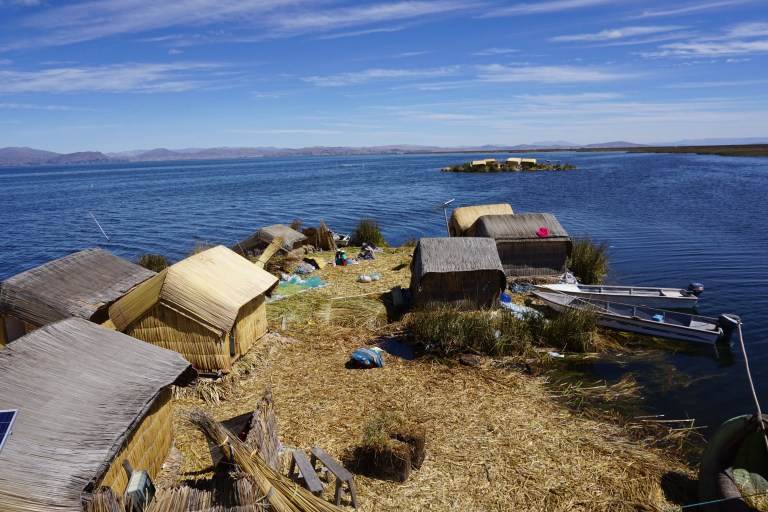
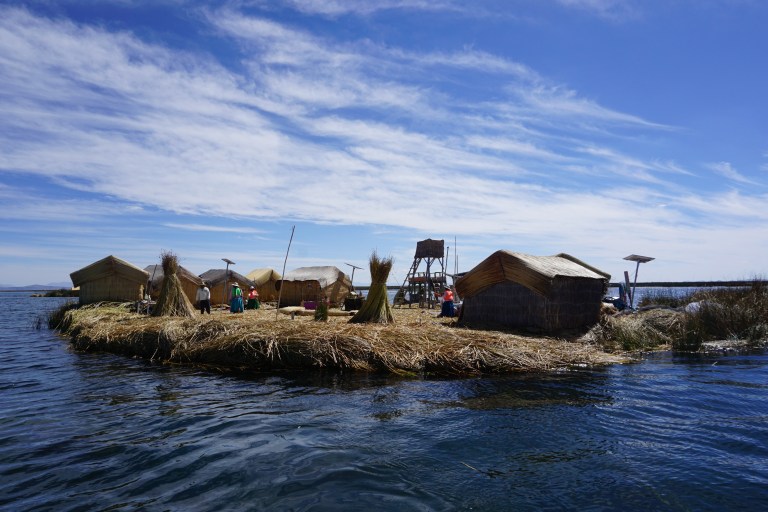
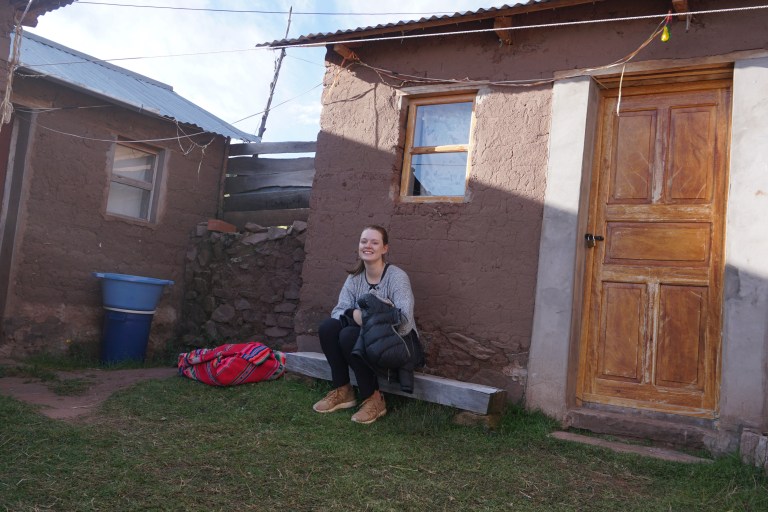
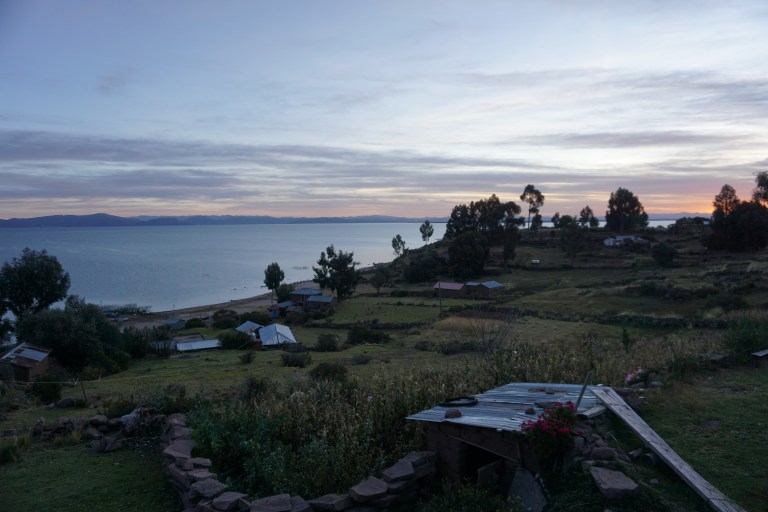
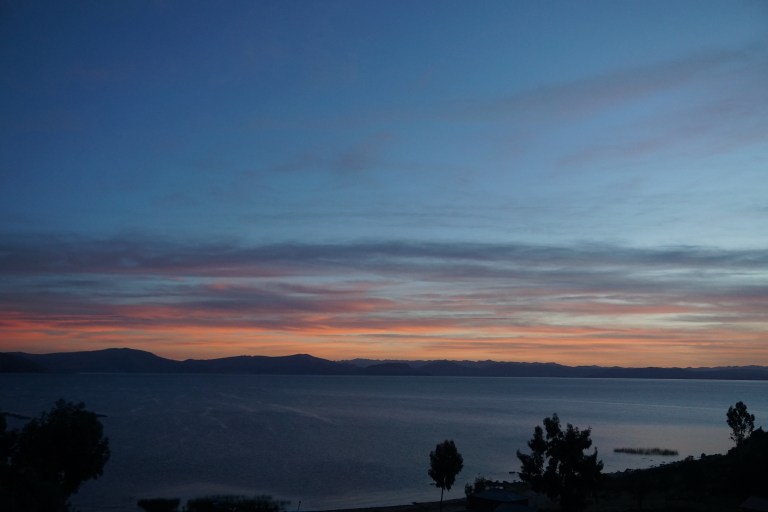
We then continued on the boat journey to be greeted at the peninsula by women dressed in brightly coloured clothing. The women wear these outfits all the time and different colours, hats, and fabrics mean different things. Our host, Maria had lived on the peninsula her whole life and has five children, all of who live in the city of Puno for university or with their own families. She and her husband live in a small mud brick house with a stunning view of lake Titicaca. There were also two other separate mud brick rooms. One for Matt and I and one for the captain of our boat.
We managed to communicate with her in basic Spanish about the similarities between where she lived and some places in New Zealand. She and her husband have many sheep, pigs, a donkey that they milk and grow many crops including potatoes. She made us lunch which was not dissimilar to something g we would have back home. Roasted kumara, potatoes, yams and beetroot with a couple of slices of homemade grilled halloumi cheese. In the afternoon we helped her turn the ground for the planting of new potatoes (I got a blister).
In the evening we met up with the other groups and had a game of volleyball against the locals before helping to prepare dinner, dressed in traditional clothing.
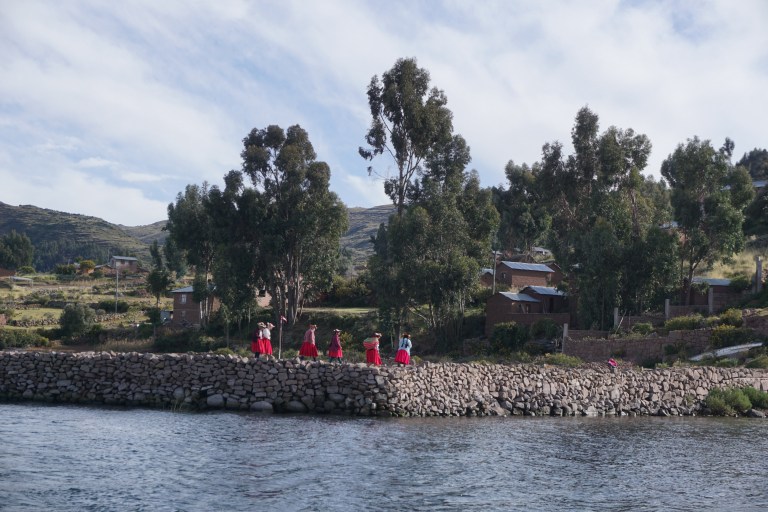
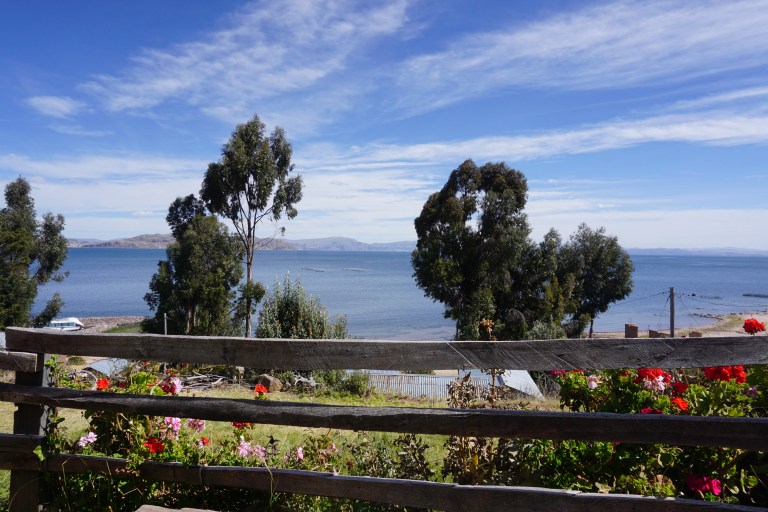
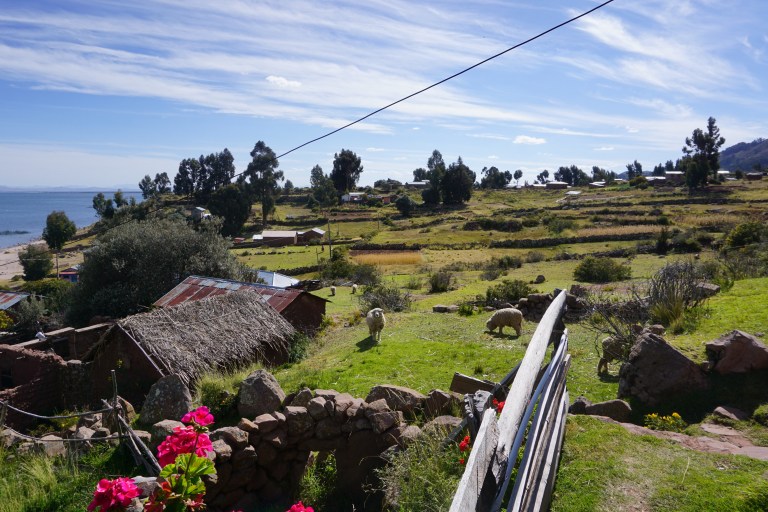
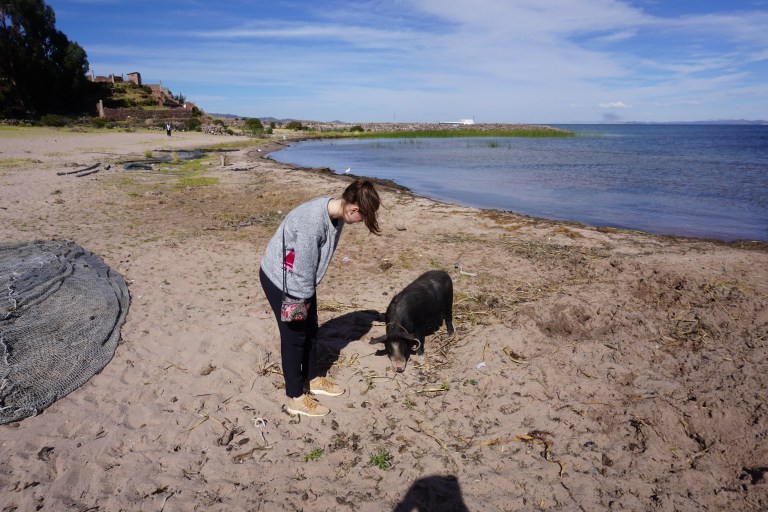


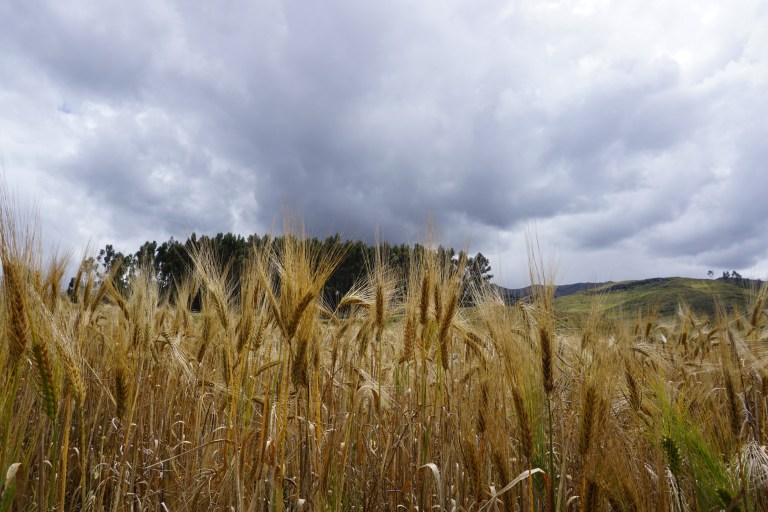
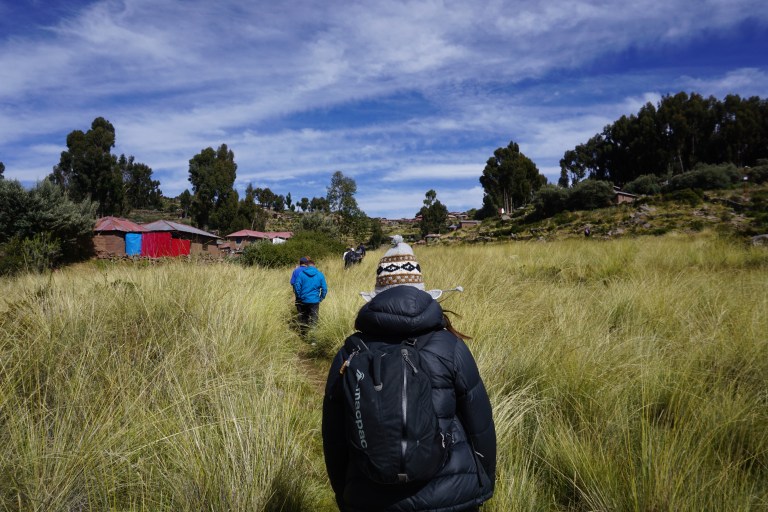
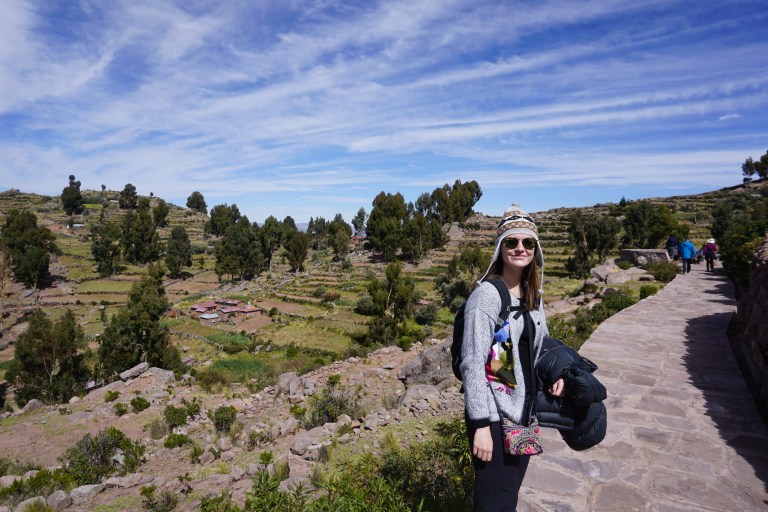
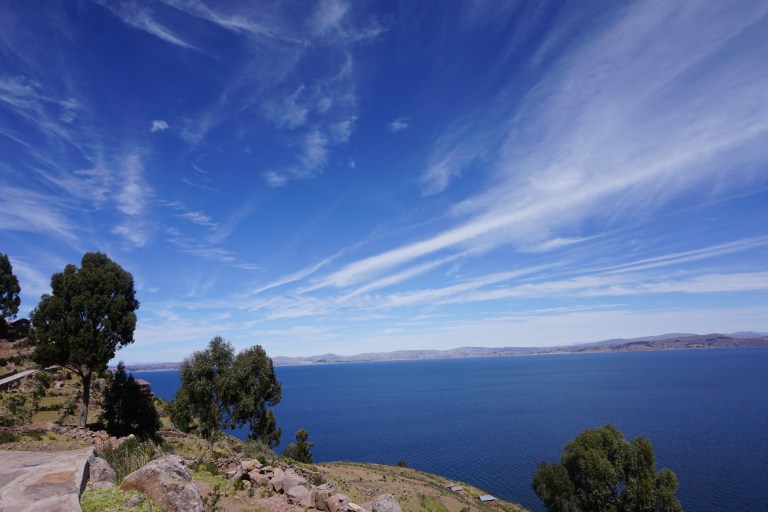
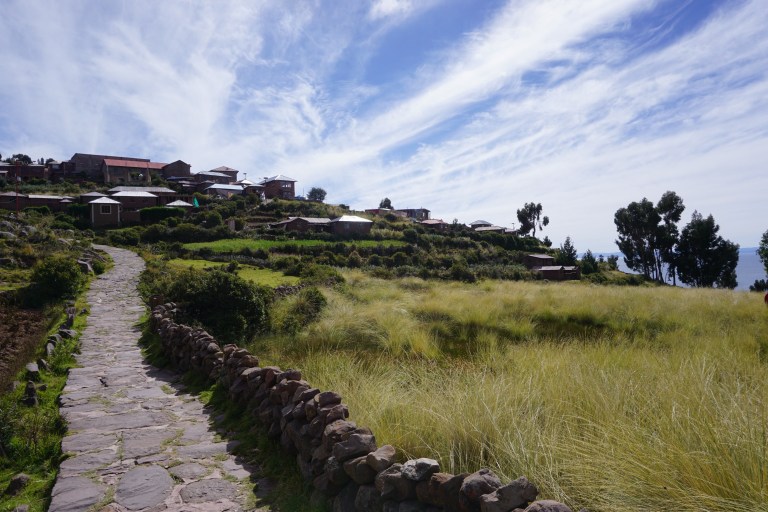
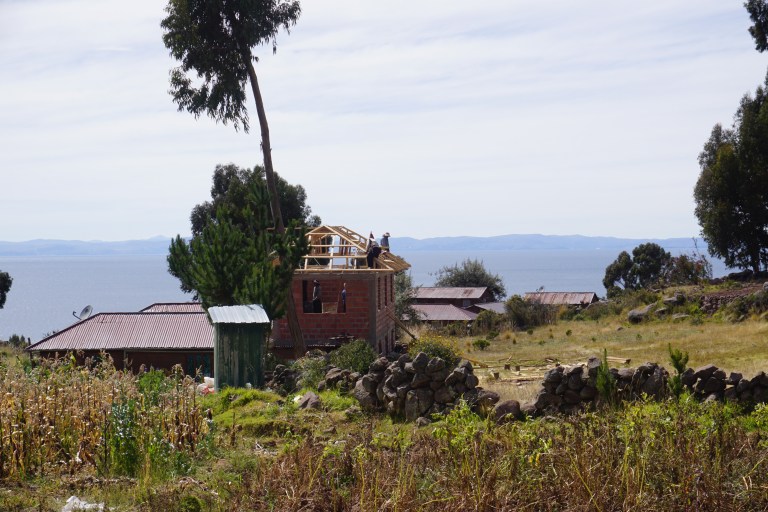
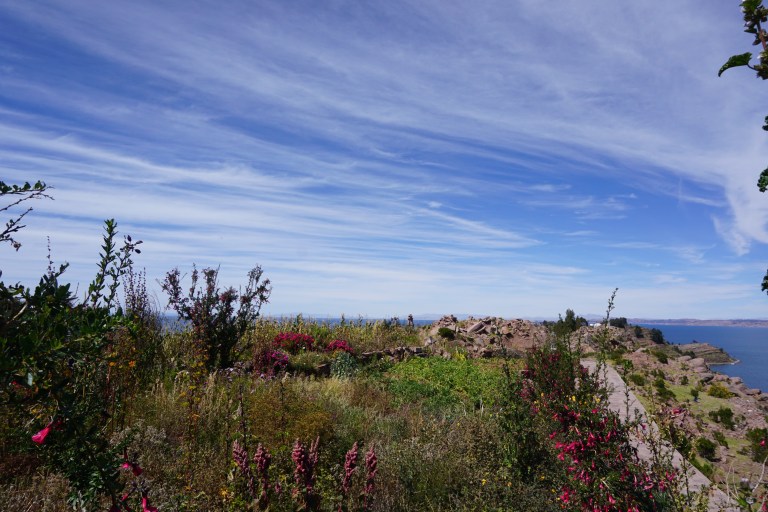
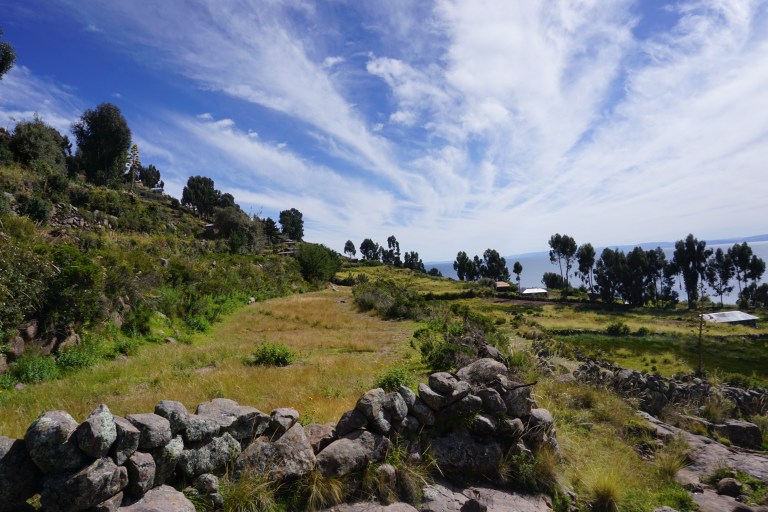
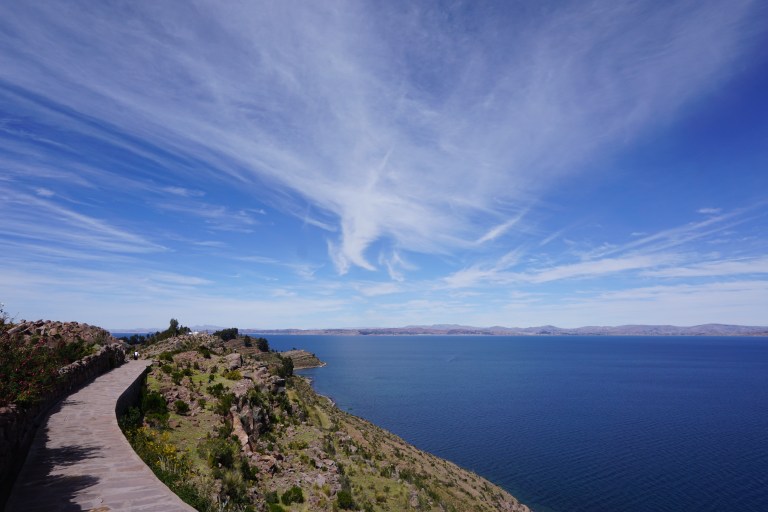
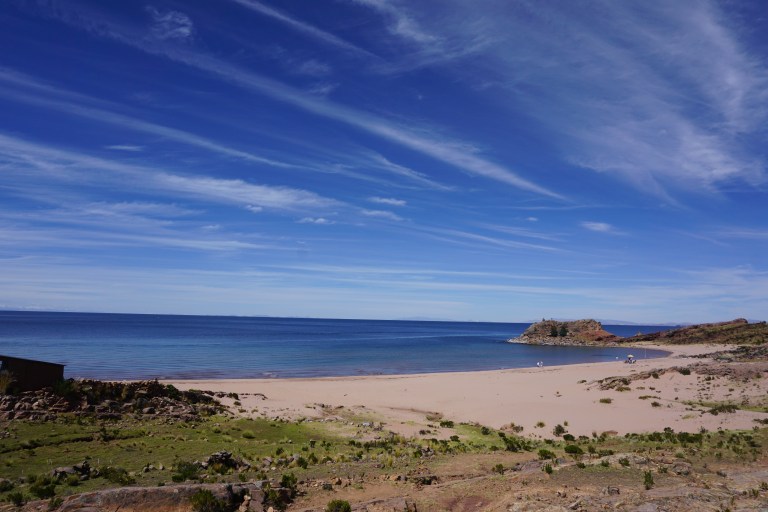
The following morning after breakfast and a comfortable night in our mud brick house we boarded the boat and headed to the island of Taquille. This island has a population of 2000 who farm grains and vegetables. We walked across the island and learned about the history of the area as well as how tourism is positively affecting the local people. Tourism means more money for better infrastructure, solar panels, paved paths and maternity care for the women. On the island of Taquille the women hand spin the yarn and the men knit the garments and hats. We had a delicious lunch overlooking a beach of freshly caught trout and chips.
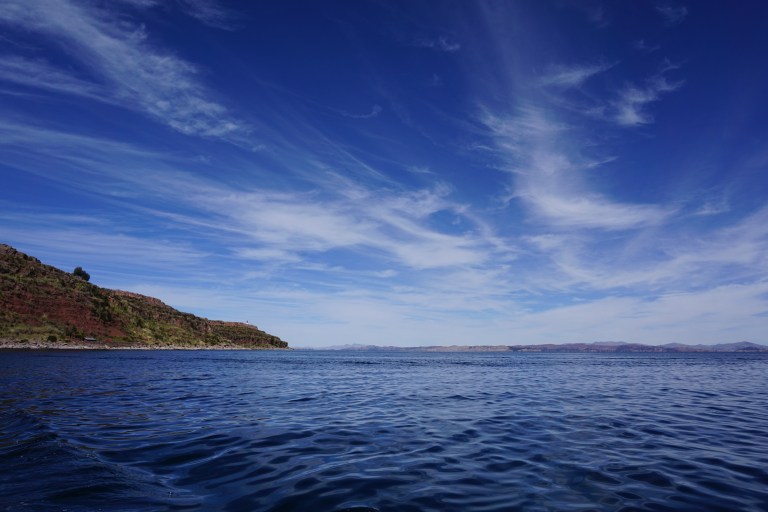
We reboarded the boat in the afternoon and returned to Puno for our final night and dinner with our guide Uriel before crossing the boarder into Bolivia.
This won’t be our last time in Peru as after visiting the salt flats in Uyuni Bolivia we head back up the west coat of Peru to visit some more places before flying out of Lima to Panama.
 Matt Erin Travel