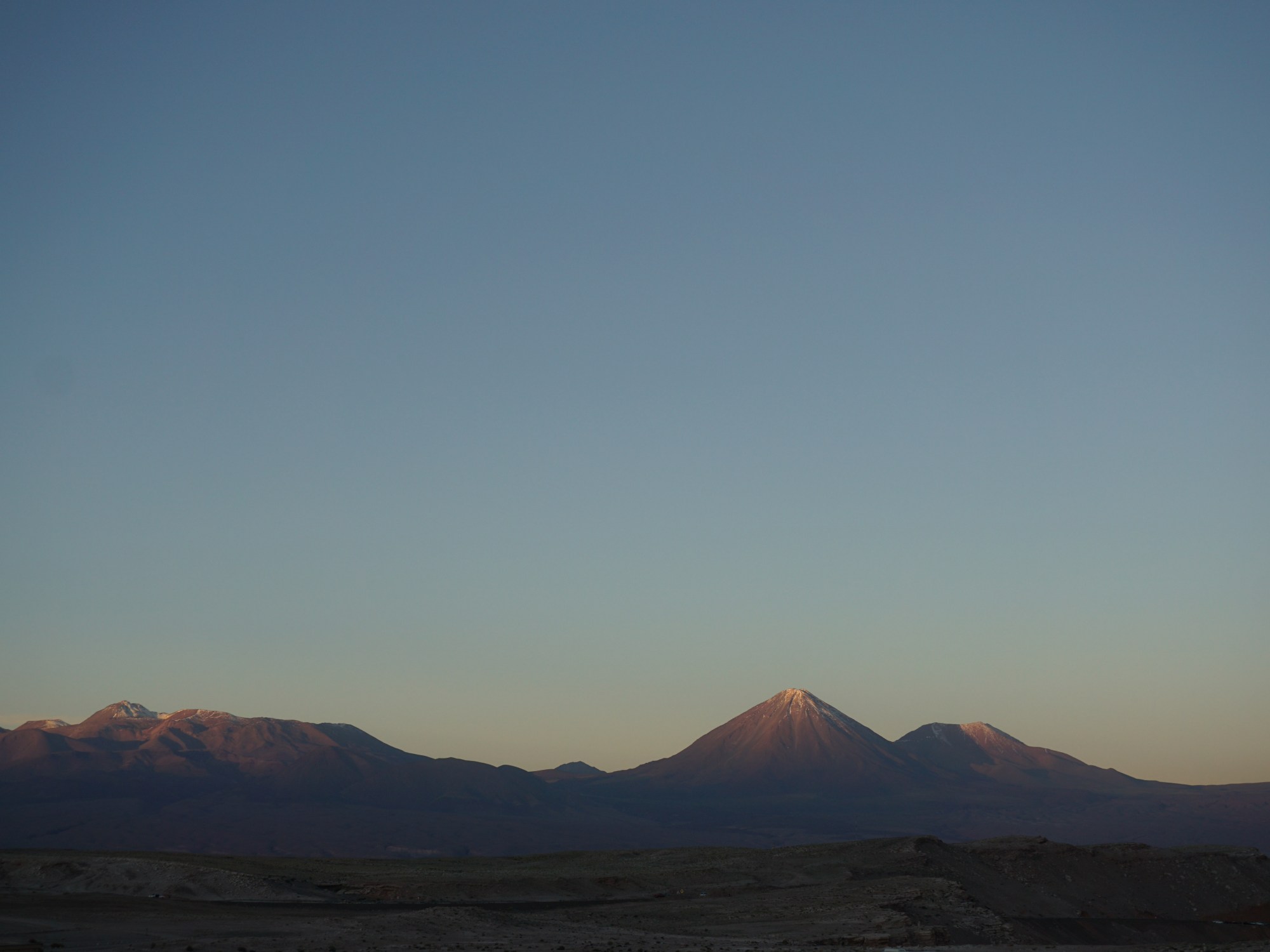
Stretching 1000km along the West of the Andes mountains is the Atacama Desert. It is recorded as the driest non-polar place on Earth, receiving as little as 1mm of rain on average a year. It has the worlds largest supply of sodium nitrate and is home to only the toughest plant and animal species.
San Pedro De Atacama is the main town and is located five hours by bus from Antofagasta. We spent four days here witnessing the incredible scenery and the magic of the small, dusty town.
The temperatures fluctuated from 27 degrees during the peak of the day to 9 degrees and less overnight.
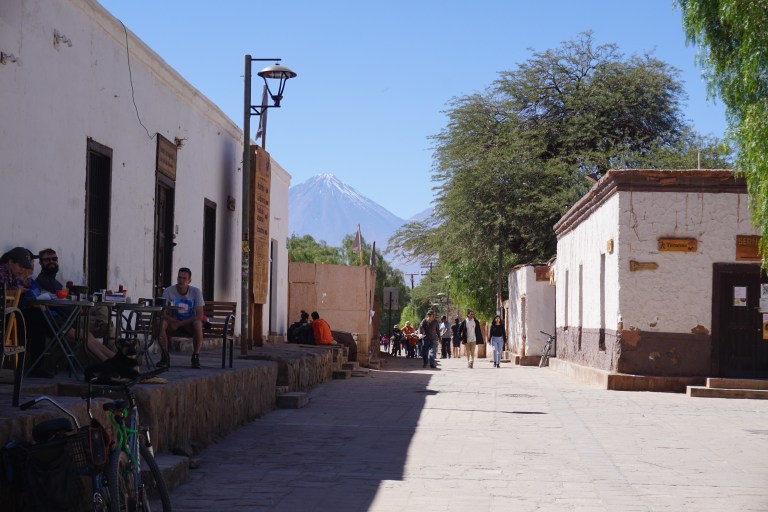
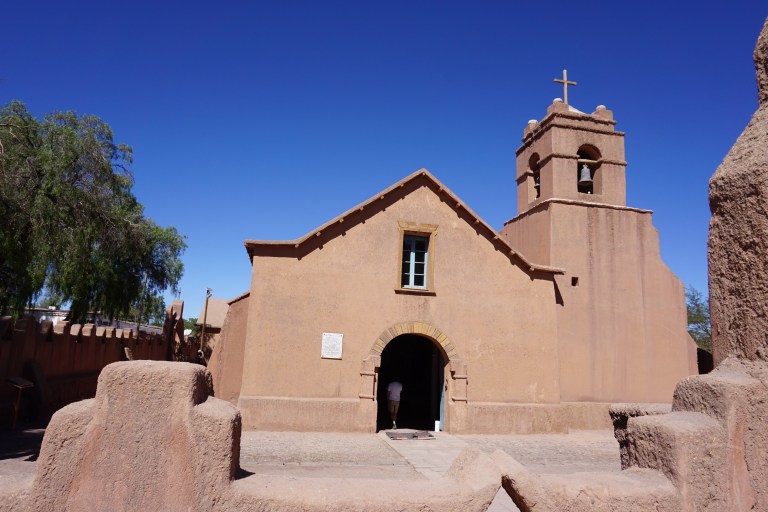
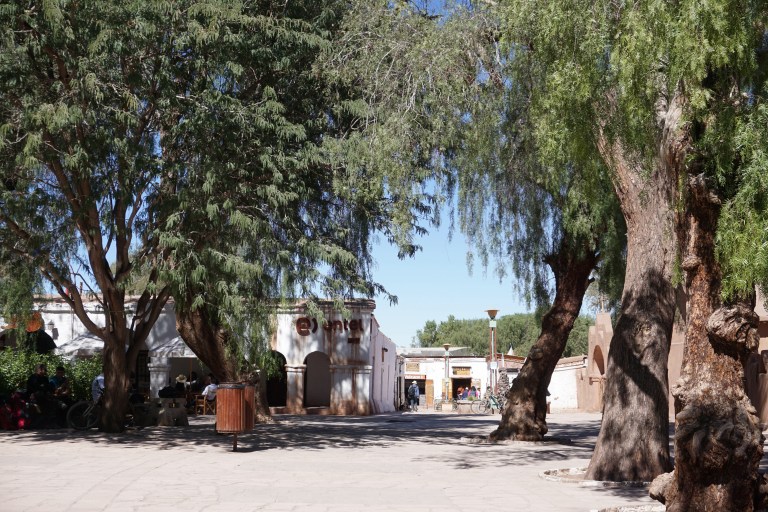
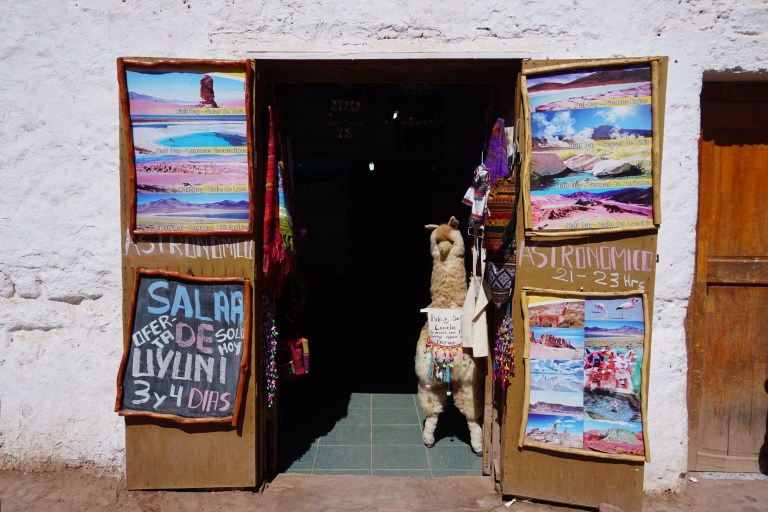
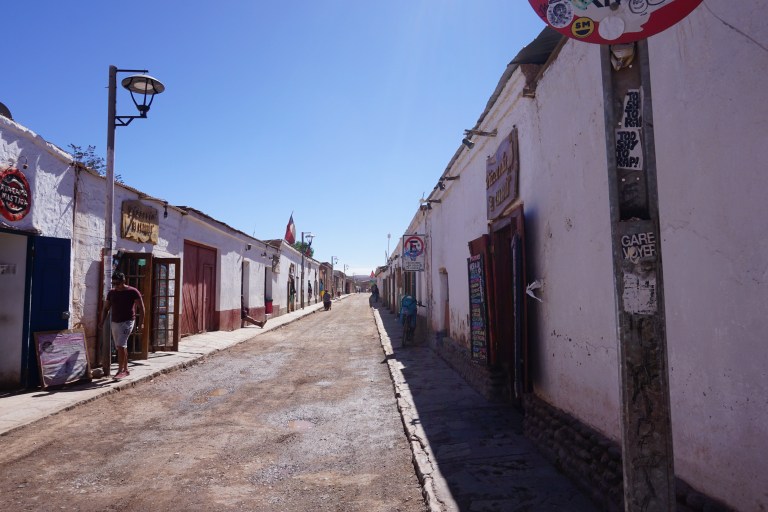
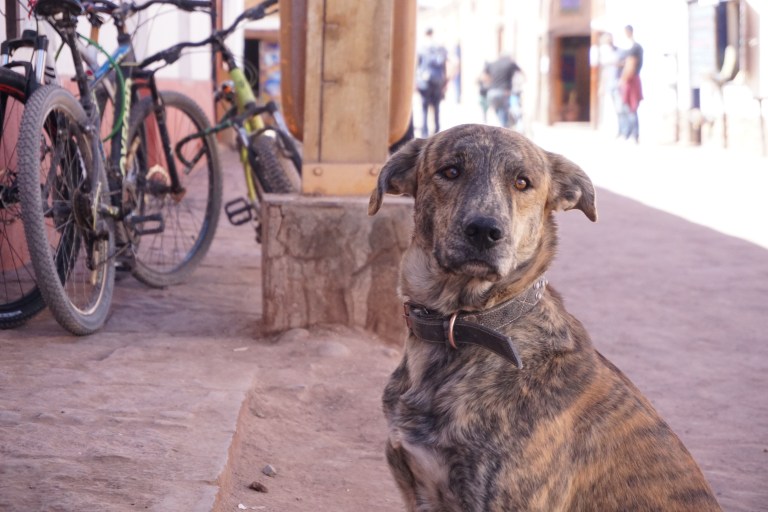
We decided to do three main activities during our time here, all of which had to be booked through agencies due to accessibility through the rough terrain and ecological permit stuff. We found out that for some things you could hire a car and do it yourself but we are enjoying the minivan lifestyle with no responsibilities 😎.
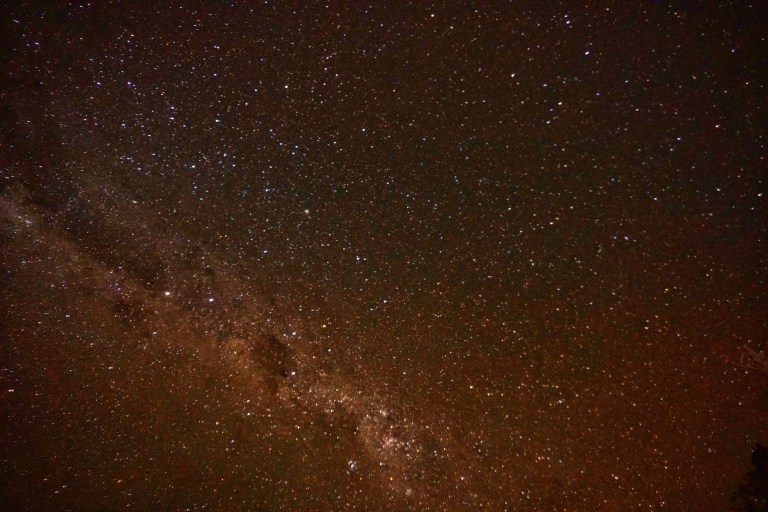
The Atacama Desert is one of the very best places to see stars in the world due to its high altitude and very clear skies. NASA does a lot of work here and it is also home to the worlds largest telescopes and research facilities.
We did a stargazing astronomy workshop from 10:00pm-1:00am where we learned how to read star maps, orientate ourselves, used big telescopes to see different star clusters old and young, learned about the ALMA research facility and enjoyed some hot chocolates.
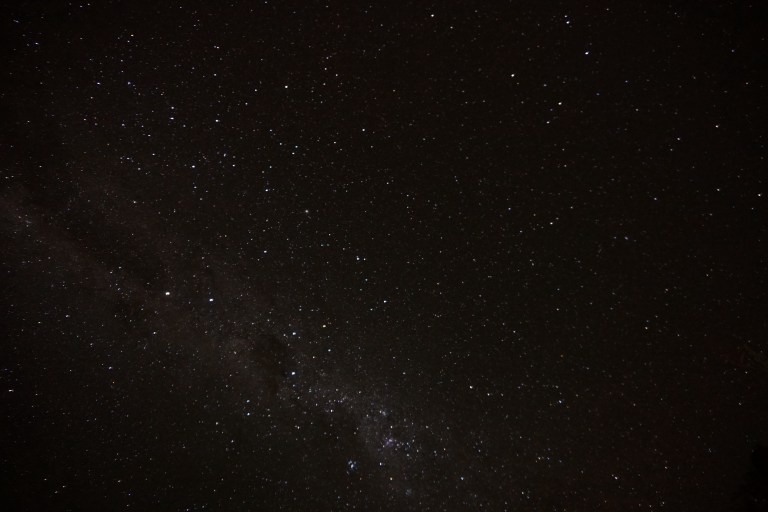
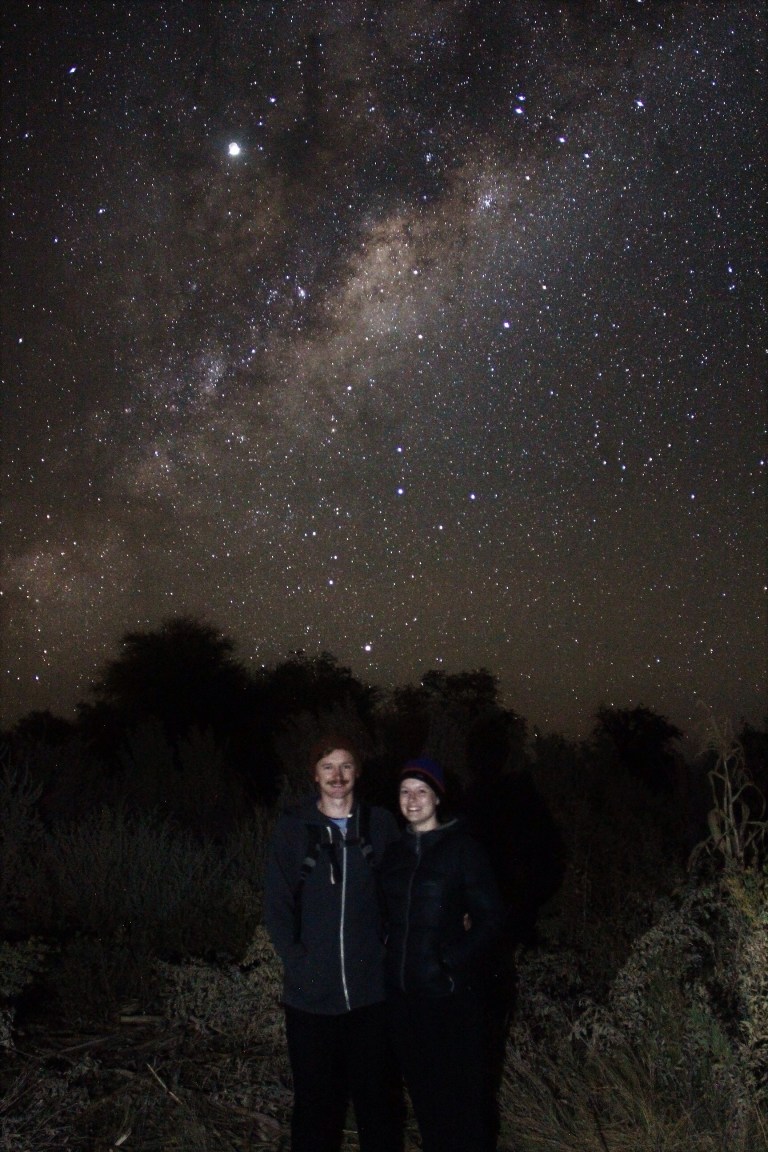
The workshop kept us pretty busy but I managed to take a couple of star photos with our camera using the $15 tripod we bought in Bangkok. The first photo was blurry but the second one came out pretty good for the first ever attempt. There are two versions of the photo I took, one edited and one raw. We also had a photo taken of us under the Milky Way!
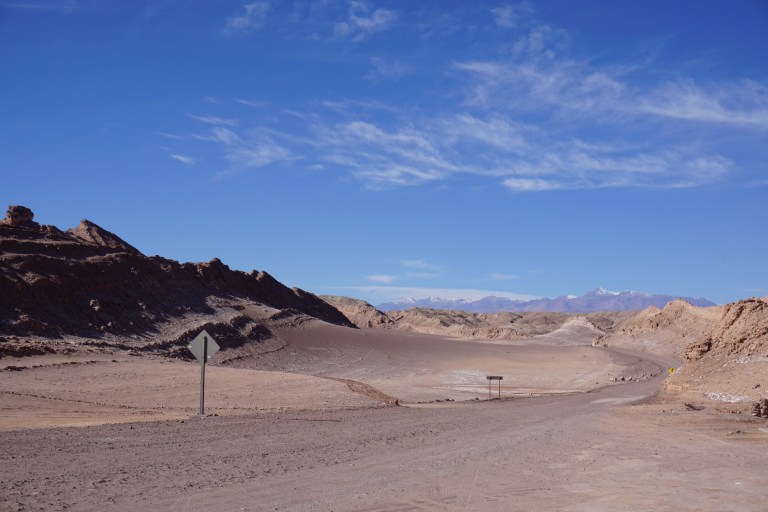
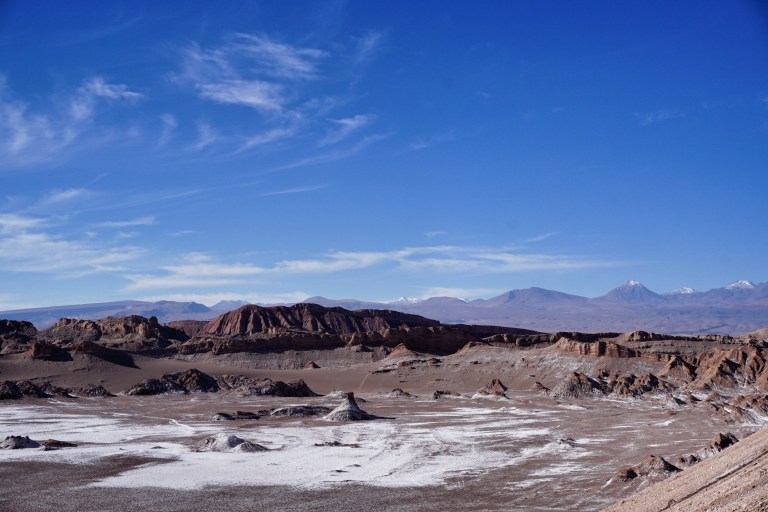
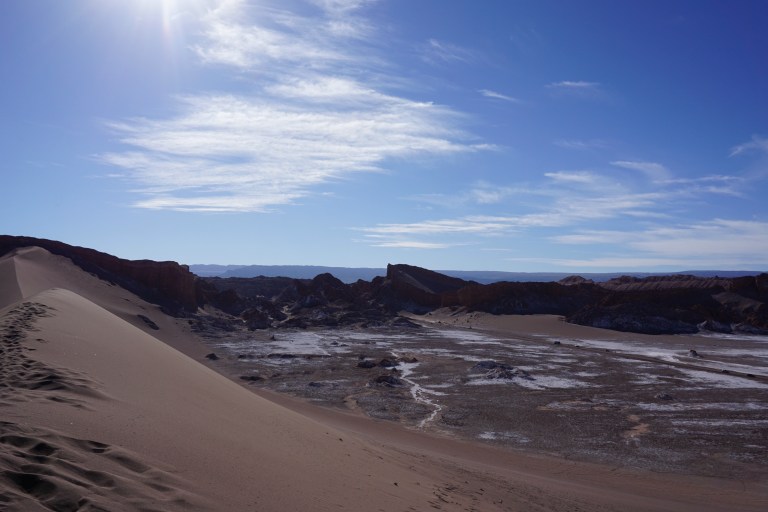
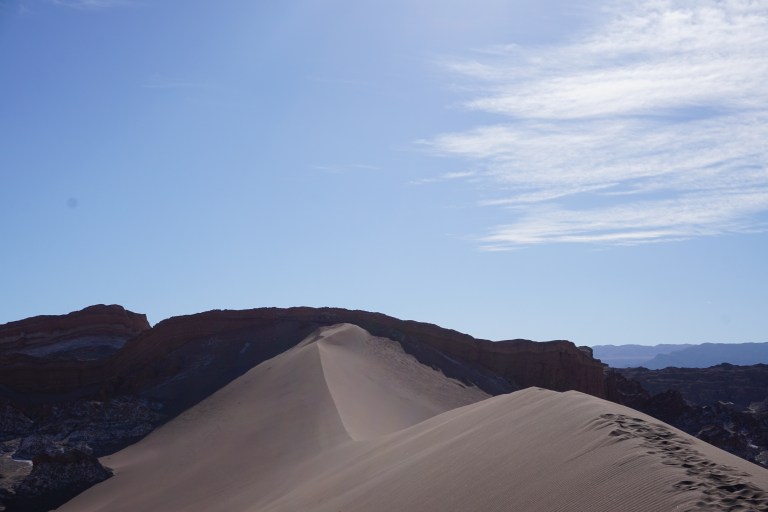
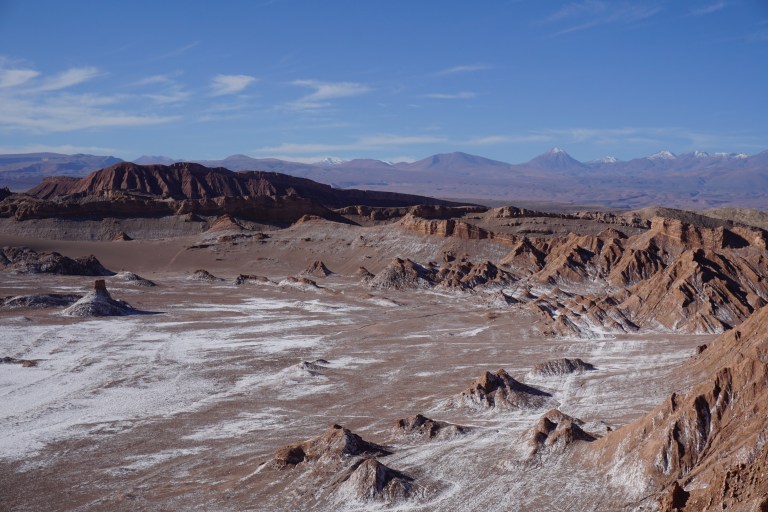
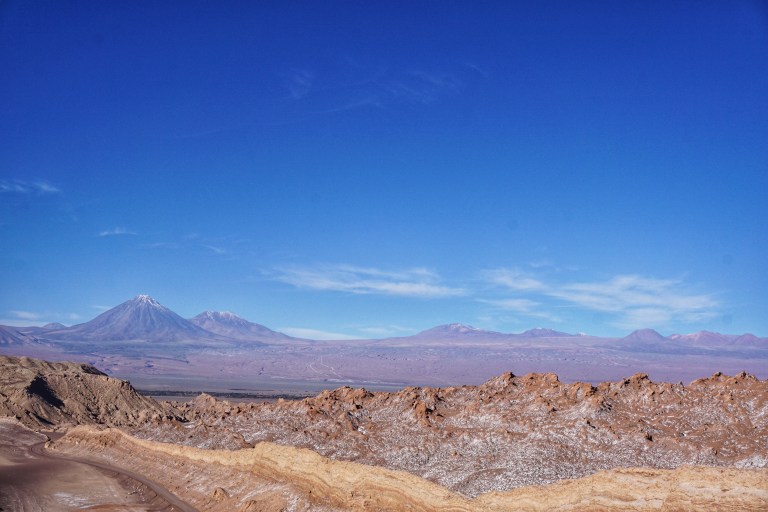
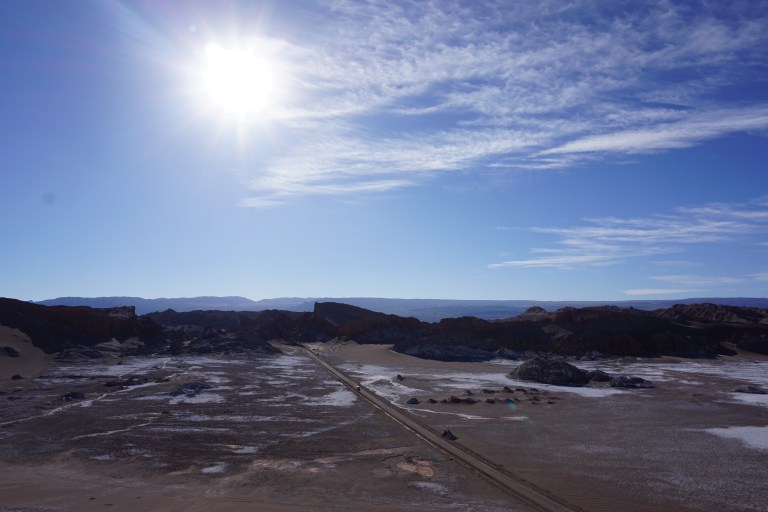
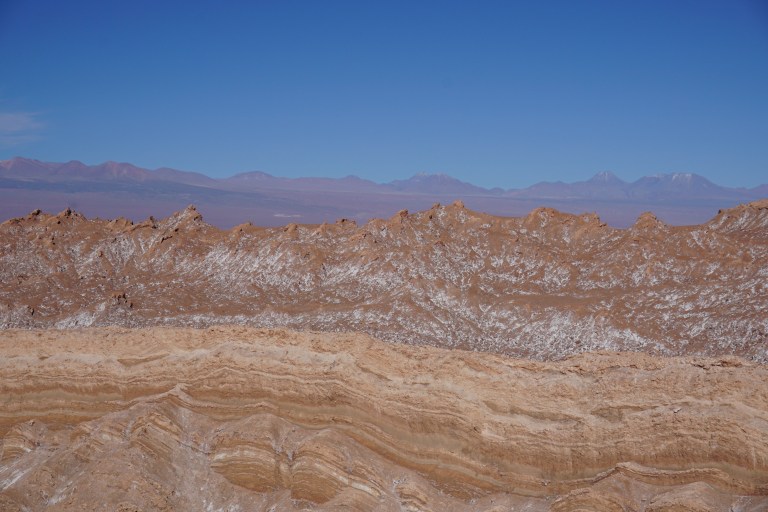
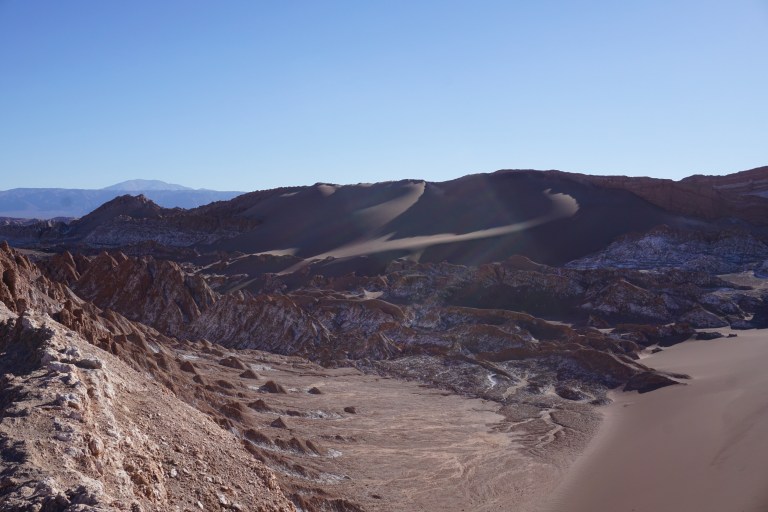
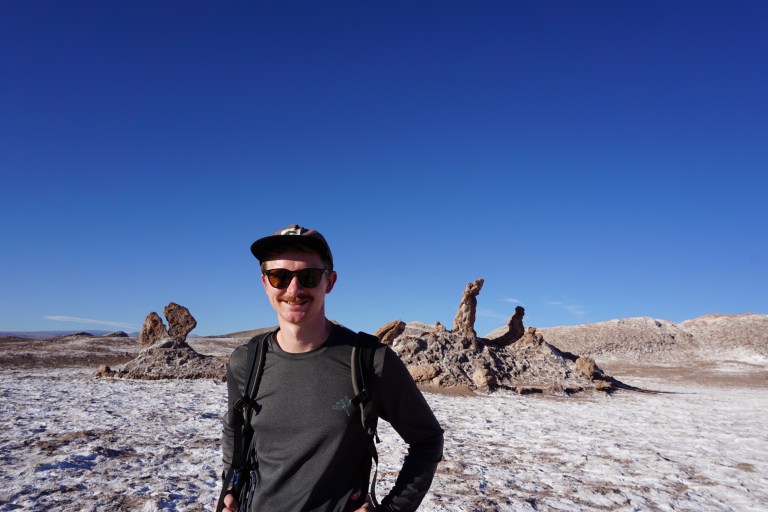
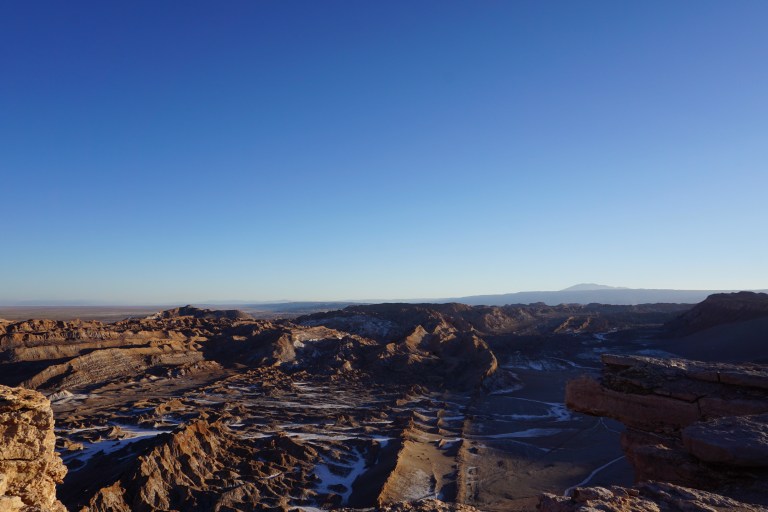
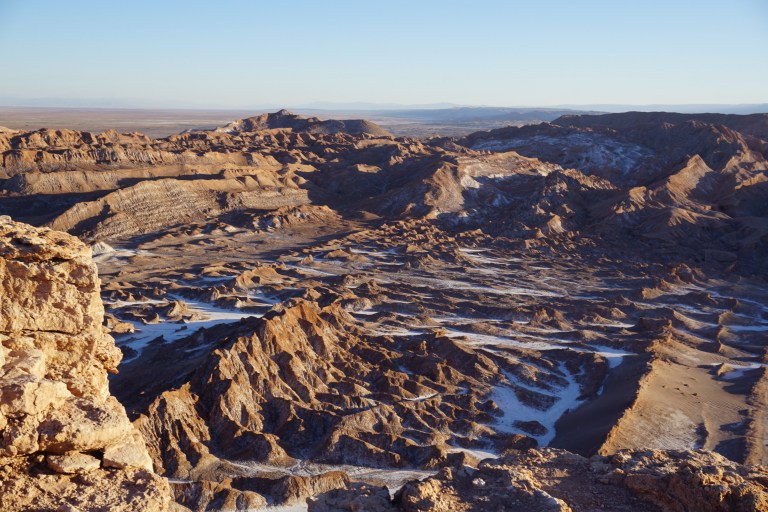
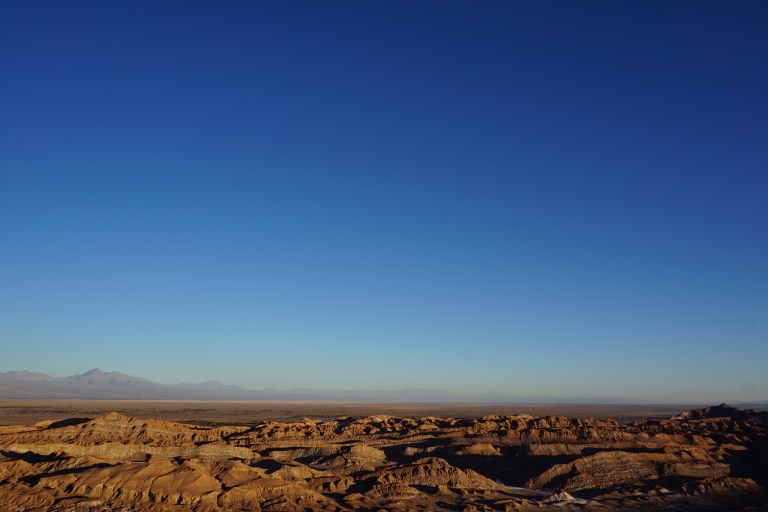
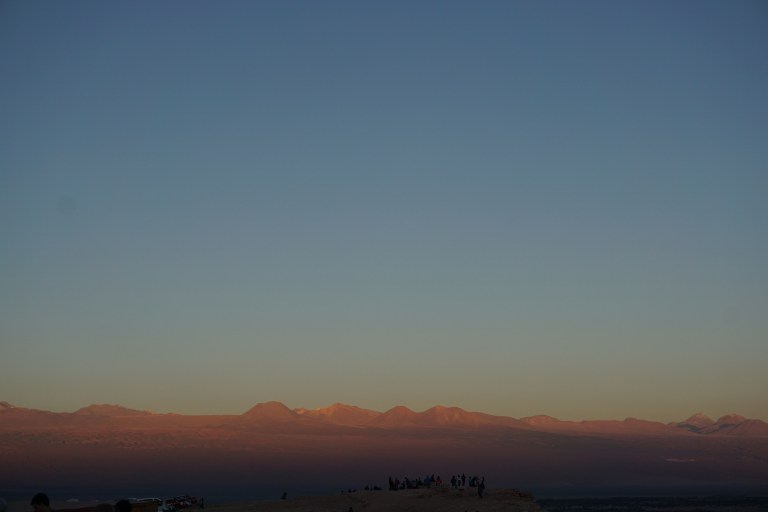
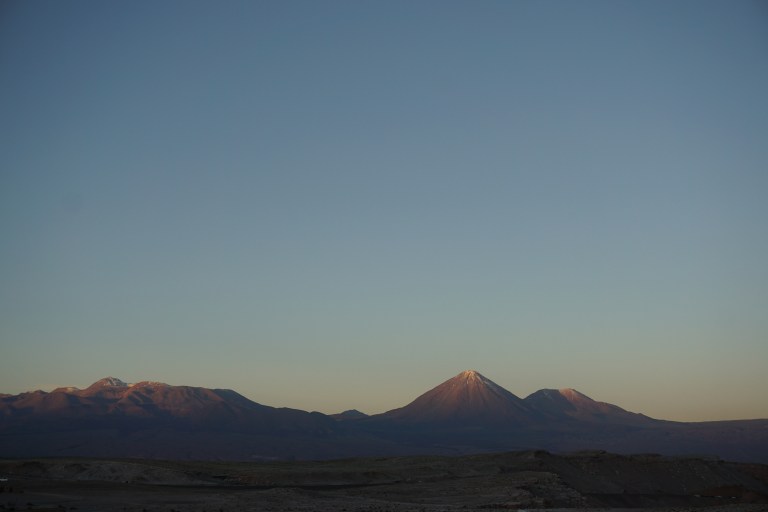
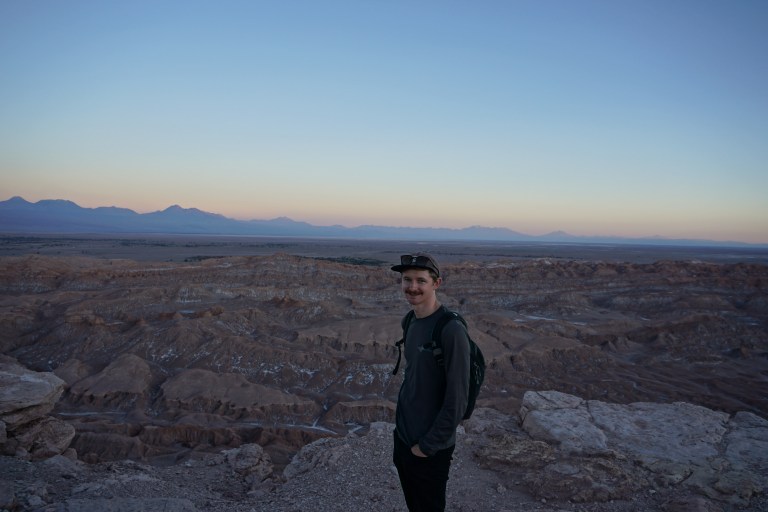
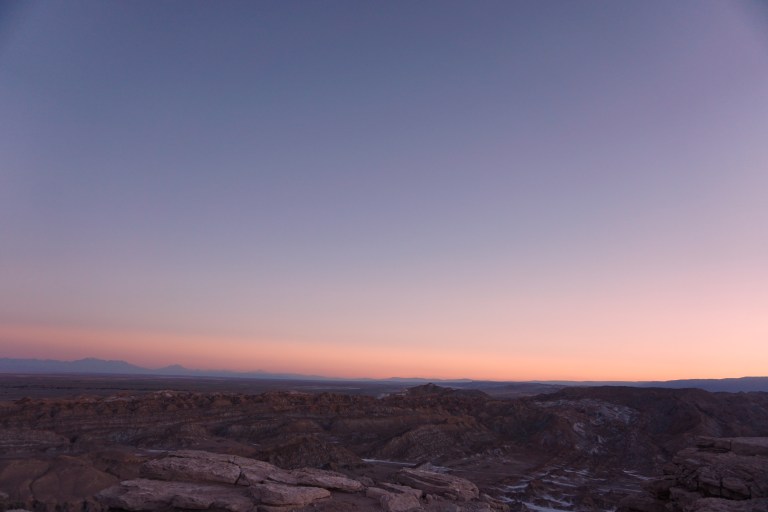
The following day after a sleep in we joined our second group and took a minivan out to Valle de la Luna (Moon Valley). The valleys have been formed by enormous earthquakes, strong wind and water over millions of years and one particular area is supposedly very similar looking to an area on the moon.
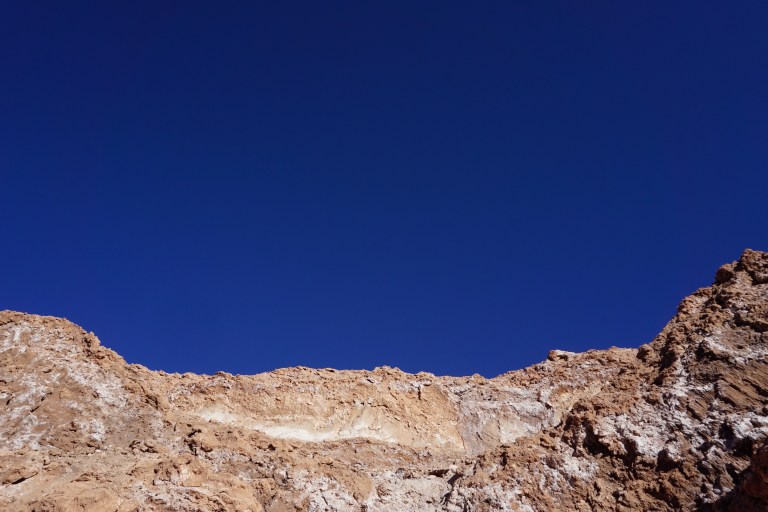
The prototype Mars Rover was also tested there due to its very similar likeness to the surface of Mars. As well as petrified salt, the white colour in some photos is actually a type of fungus that has risen up through the ground.
We think the photos are spectacular and couldn’t believe how blue the sky was in some parts. Almost all of the photos are completely unedited except for a couple of sunset shots. It was early to bed after returning around 7pm as we had a 4:00am wake up the following day.
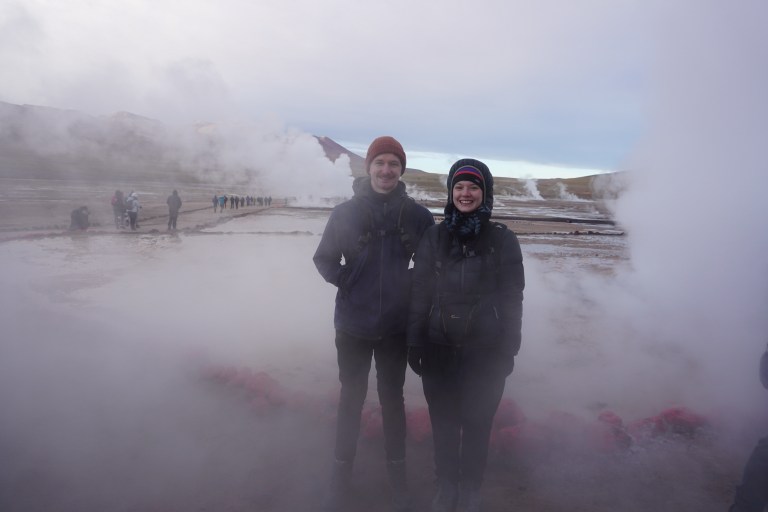
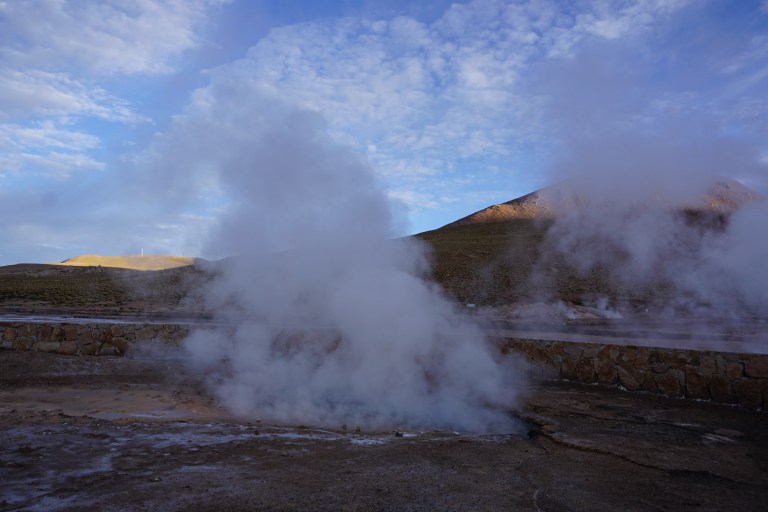
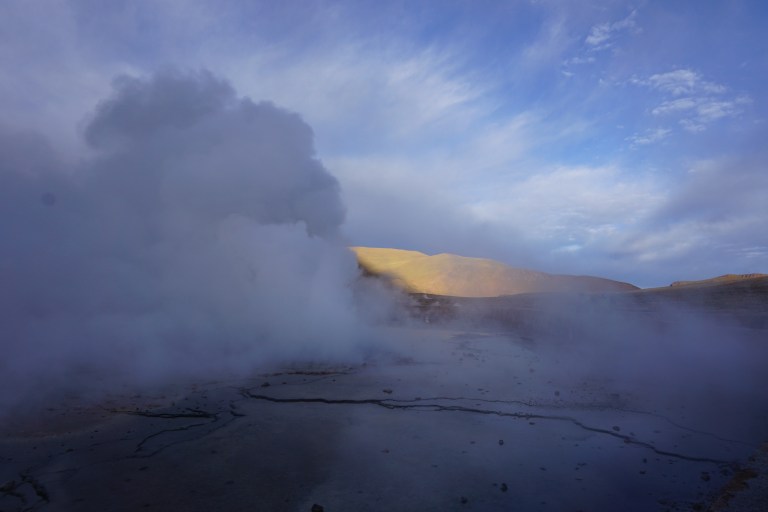
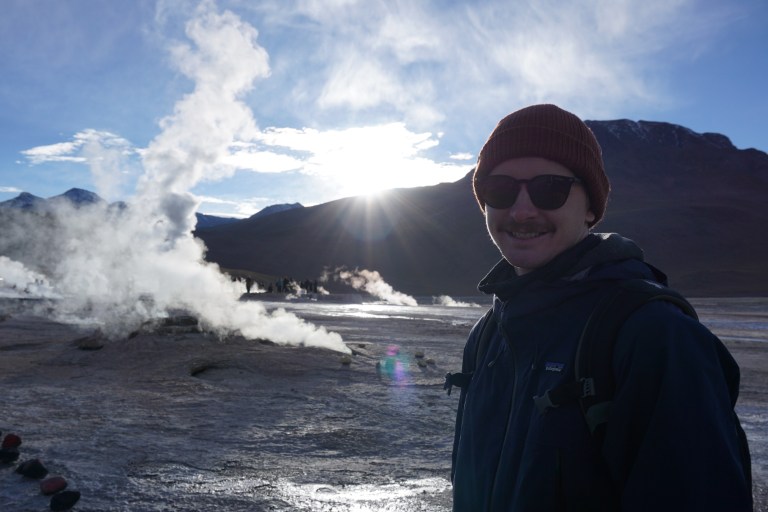
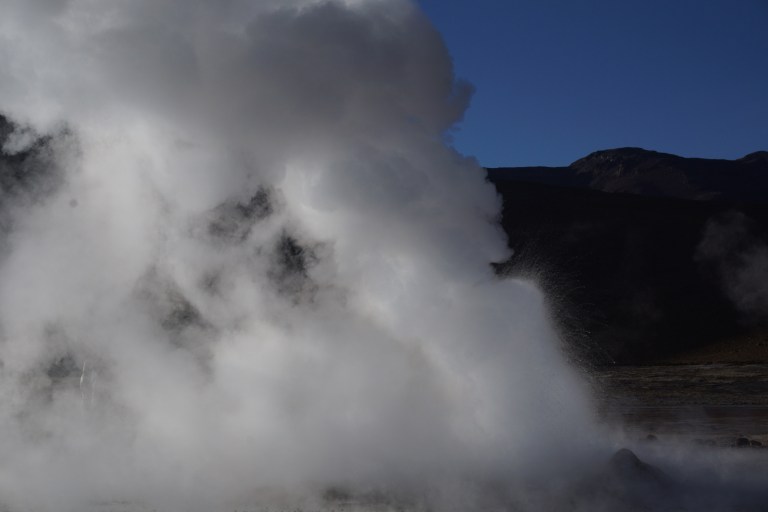
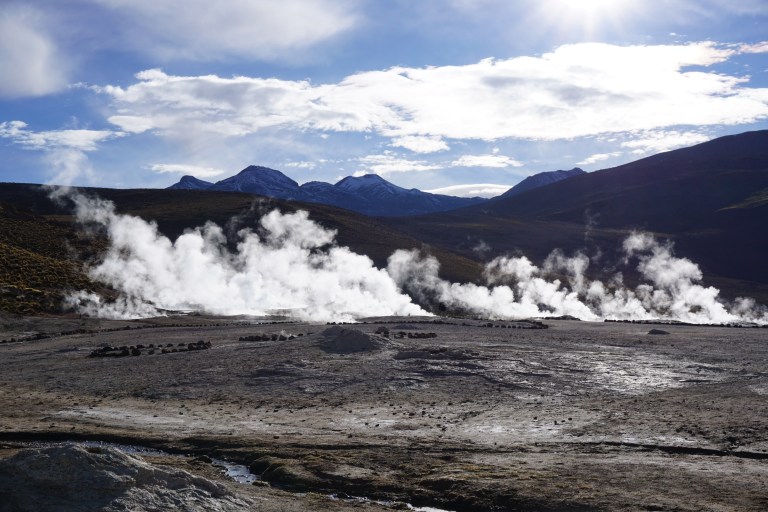
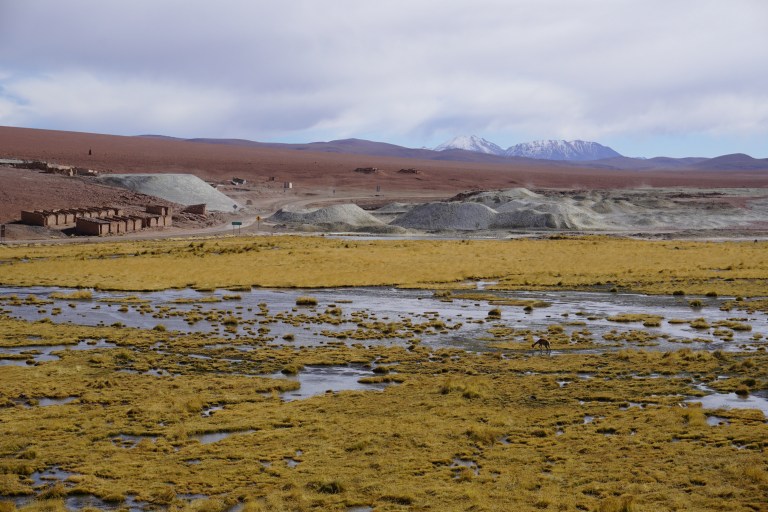
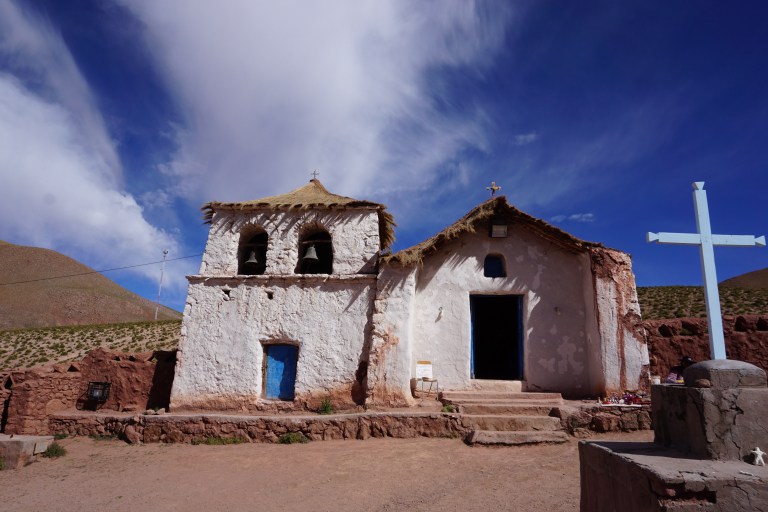
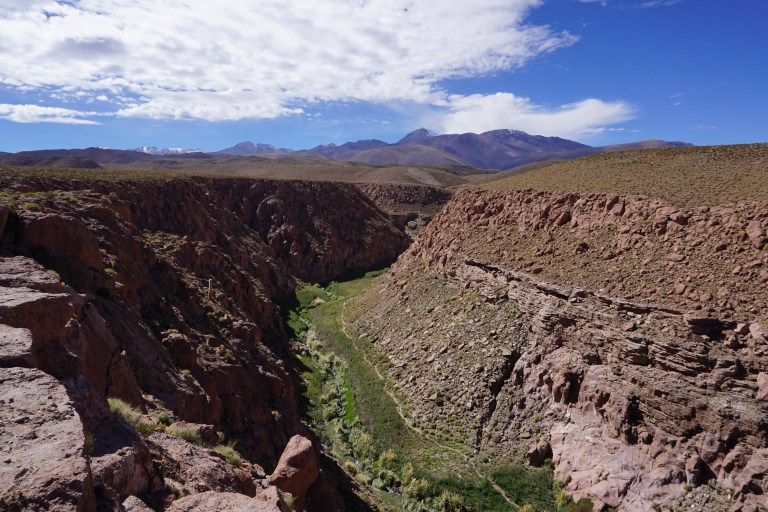
After a slow start we were picked up outside our hostel at 4:50am to visit the El Tatio geysers. The geothermic geysers are located at 4300 metres altitude above sea level which meant it was absolutely freezing (-5 degrees). We had to arrive early because the underground activity stops around 10:00am. After visiting the geysers we were made fresh baguettes with avocado, salami and cheese and given cake and hot chocolates. We then had the chance to take a dip in a thermal pool (it wasn’t actually that warm and was kinda gross). We visited a tiny town and saw some more amazing scenery including some vicuñas (a small alpaca type animal who’s wool sells for $600 USD per kilogram).
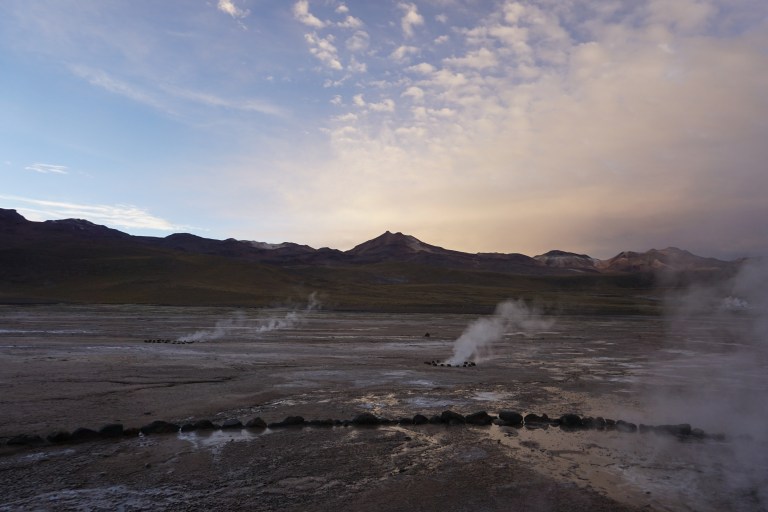
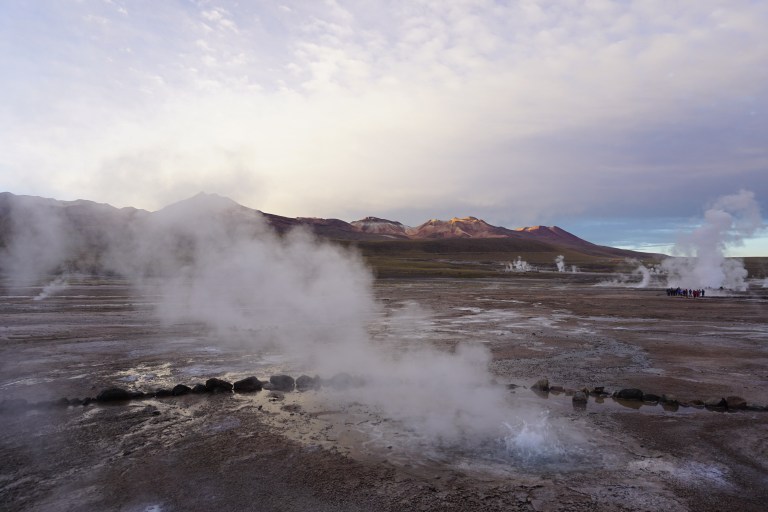
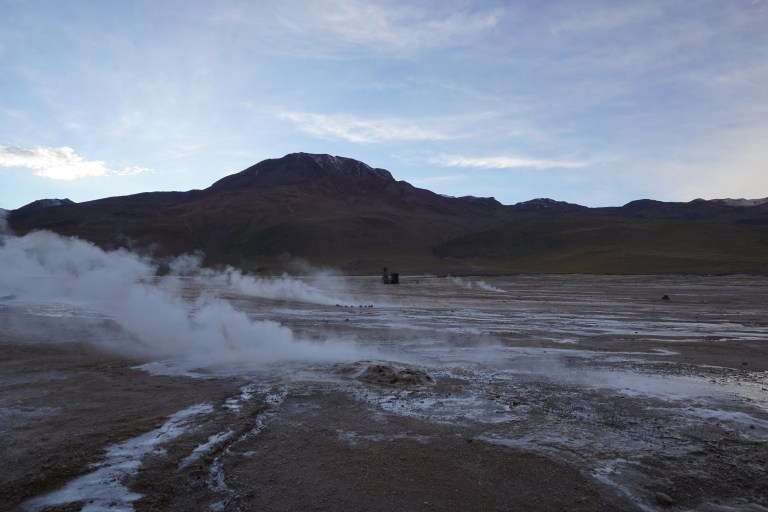
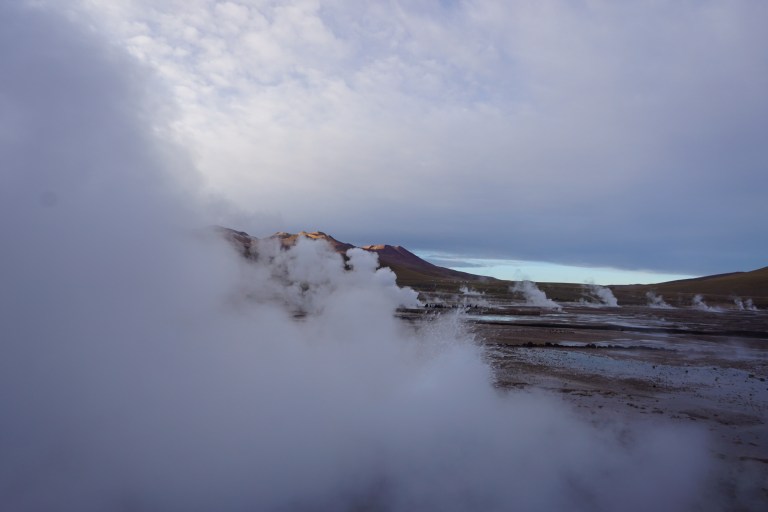
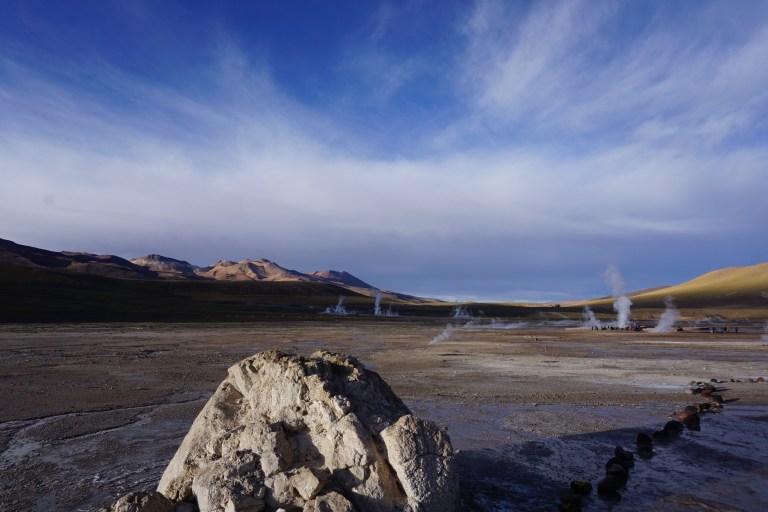
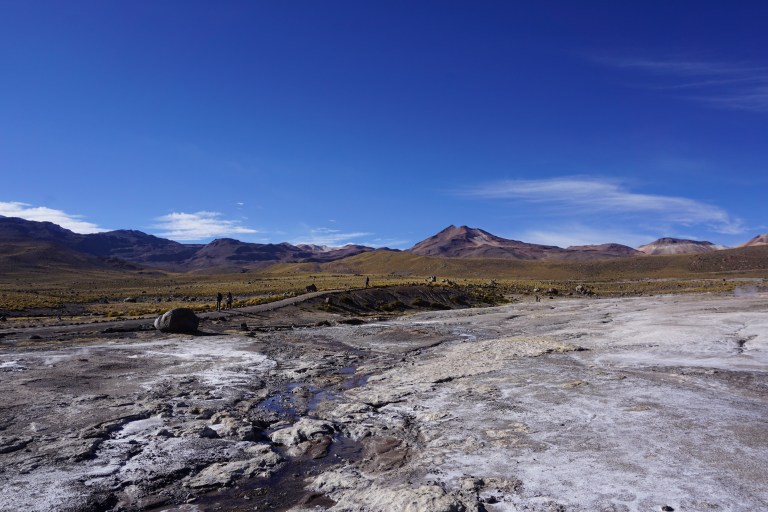
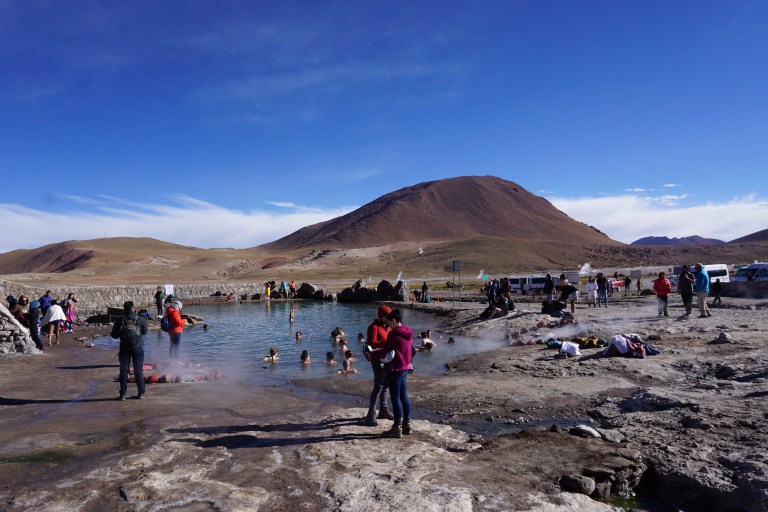
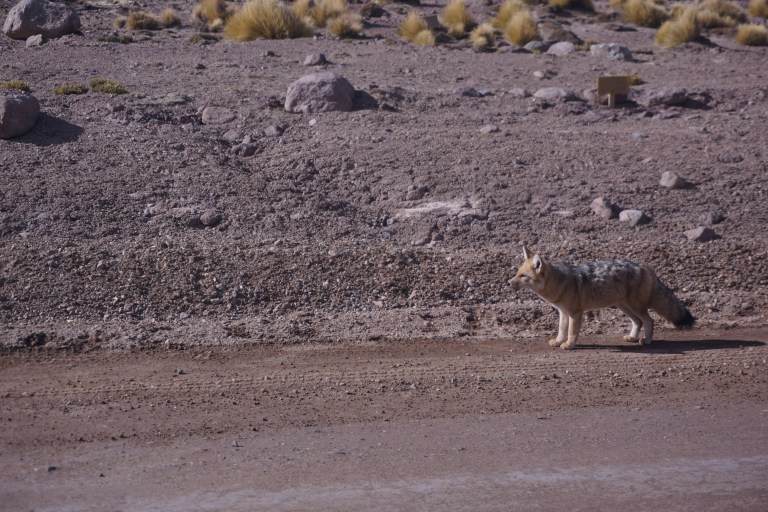
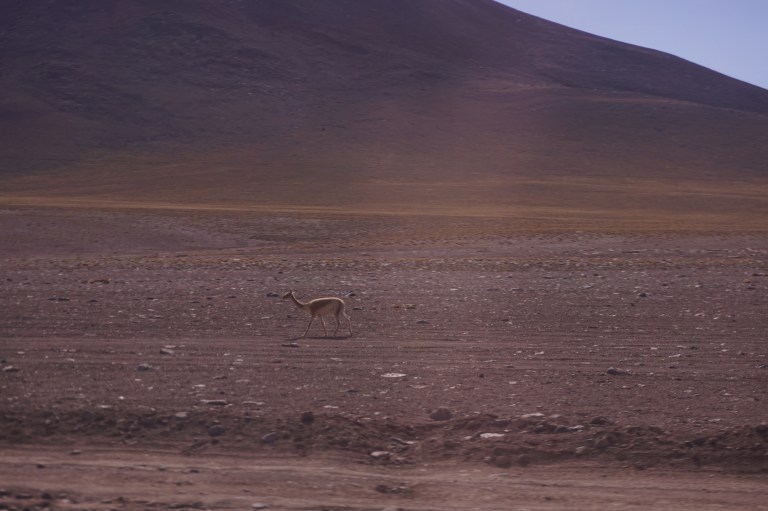
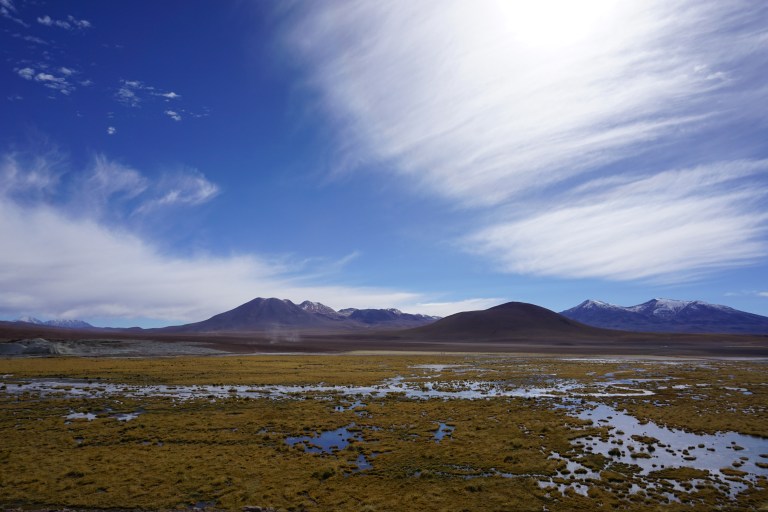
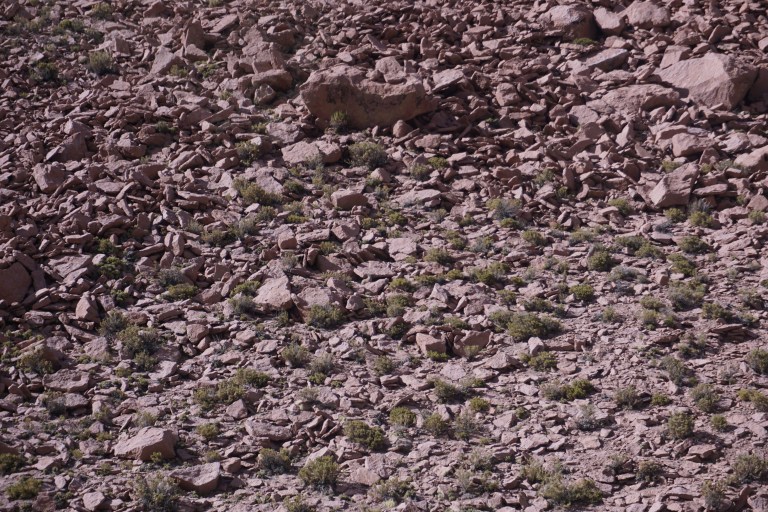
Bonus activity: Spot the green mountain rabbits (there’s two we can see)
San Pedro de Atacama and the surrounding areas have been stunning to visit. On May 6th we caught a bus back to Antofagasta for one more night before we flew to Lima, Peru.
We begin our 15 day Intrepid Travel Tour on May 9th which will include staying two nights in the Amazon Jungle, hiking the Inca Trail to Machu Picchu for four days and many other activities. There may not be another post until we’re finished in Bolivia on the 23rd 🐊
 Matt Erin Travel