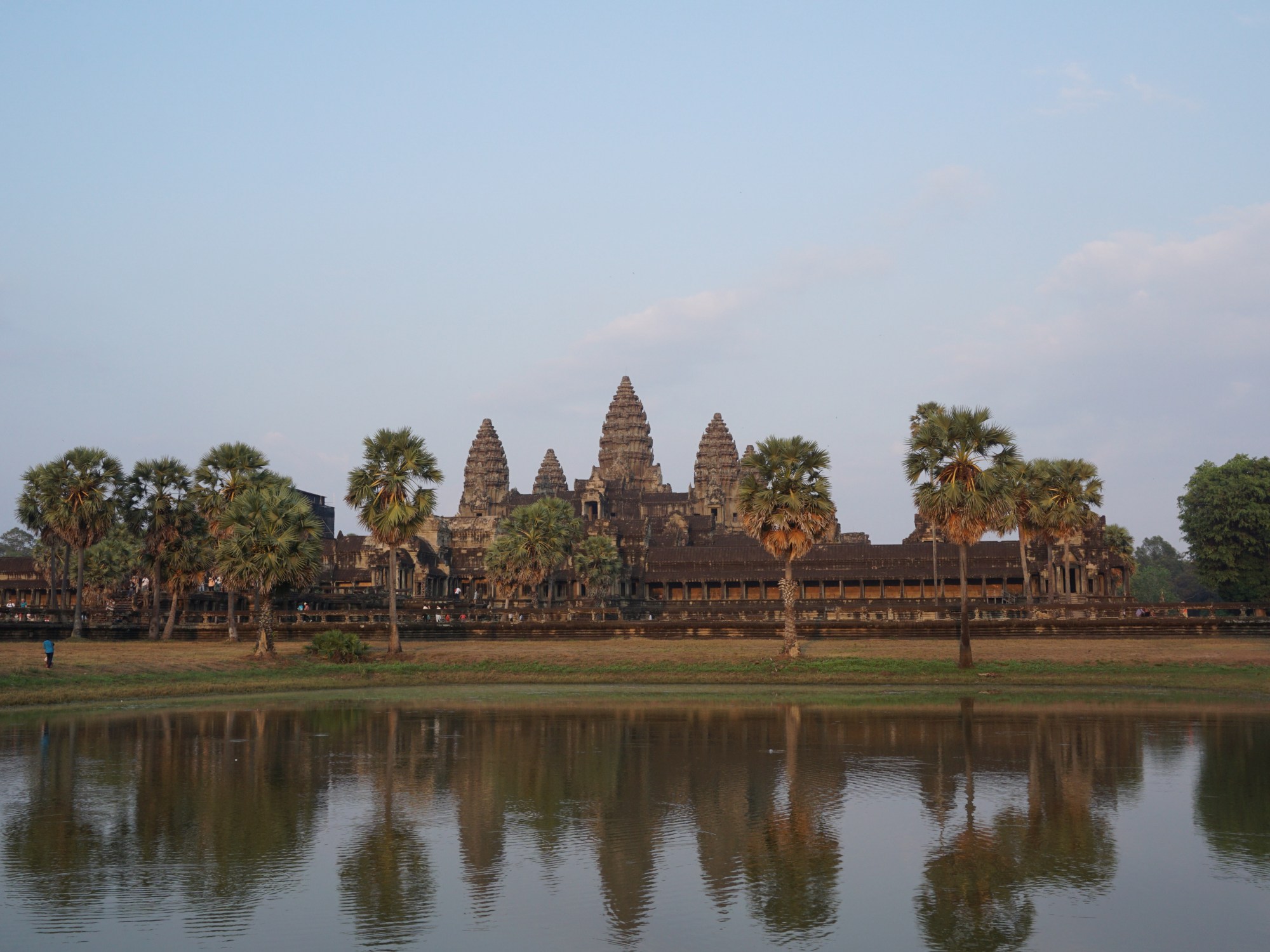
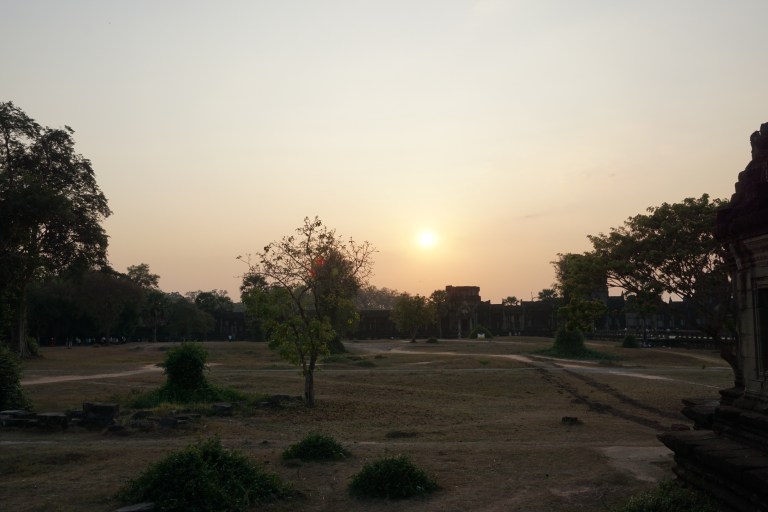
Siem Reap is the gateway to the ancient city of Angkor. During the 9th-15th Century Angkor was the capital city of the Khmer Empire which at the time was a mega city that is thought to have supported up to one million people.
Angkor is one of the largest archeological sites in the world and in regards to size it is the largest recorded urban settlement prior to the industrial revolution. It does not have a clearly defined border but is thought to have been over 1000 square kilometres with evidence of roads, canals and other infrastructure, including irrigation.
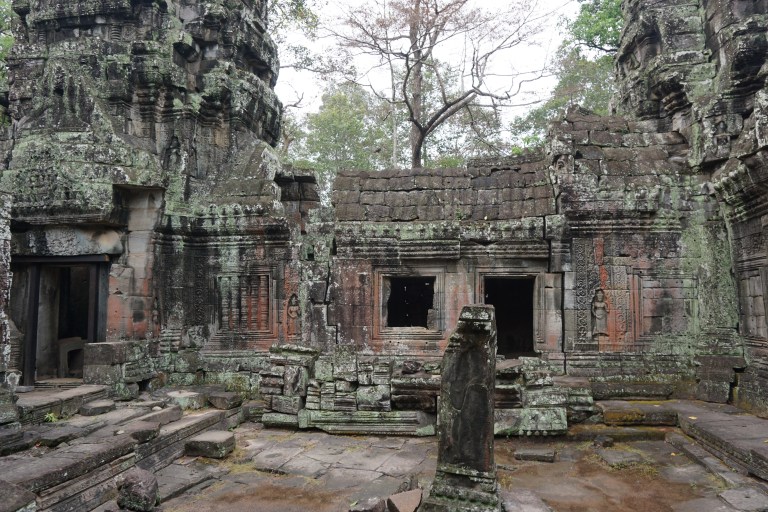
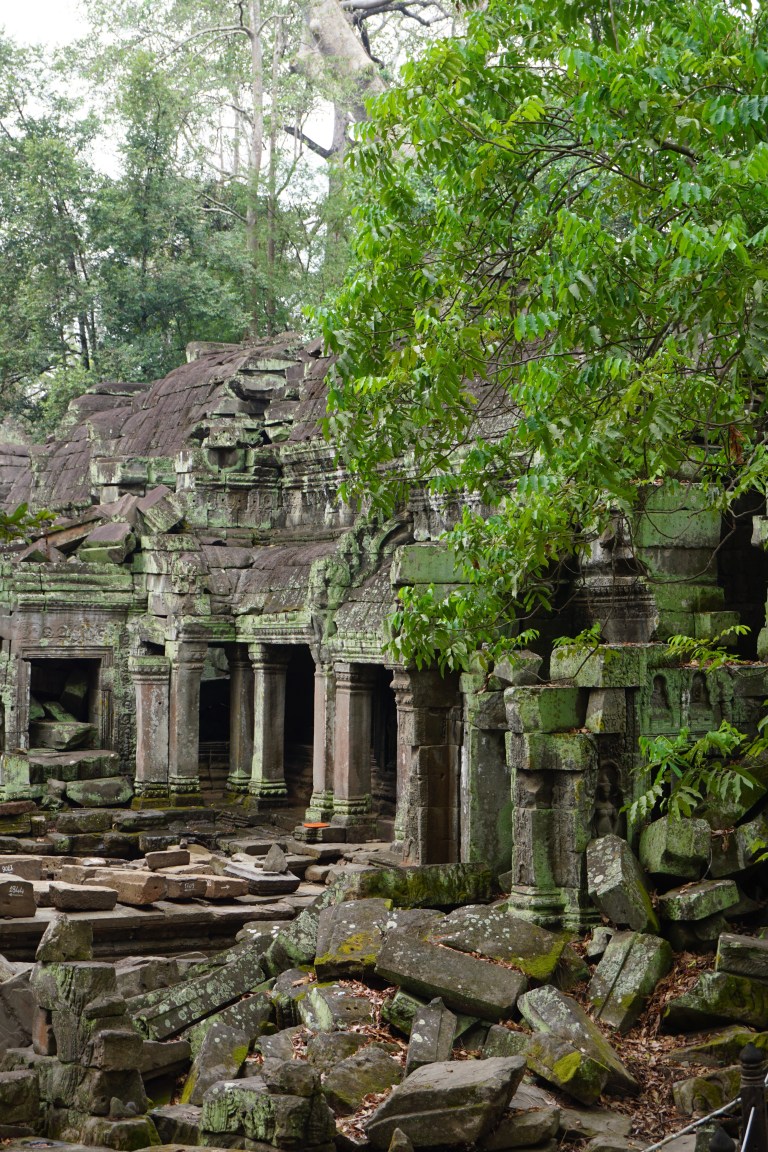
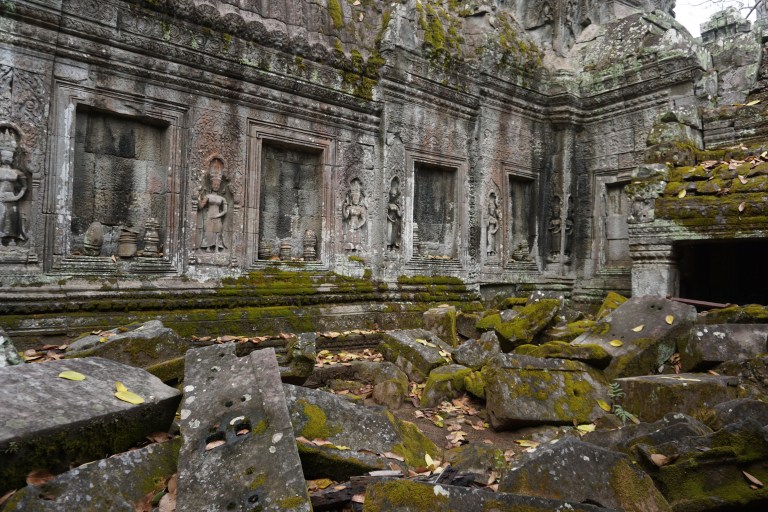
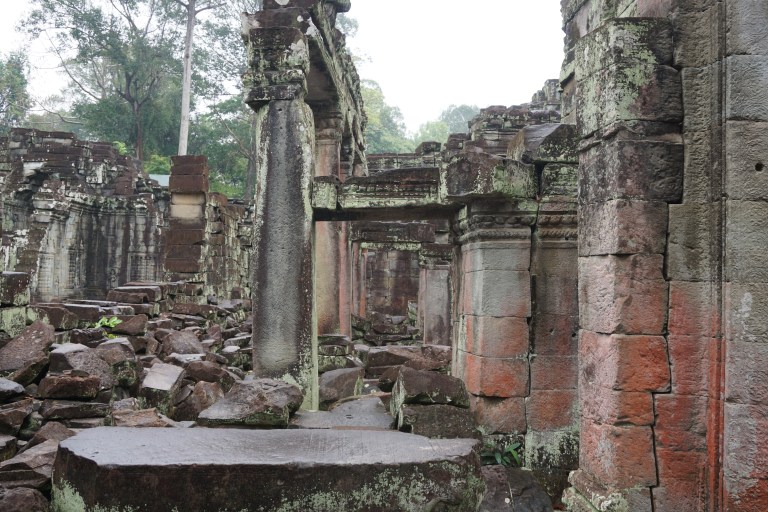
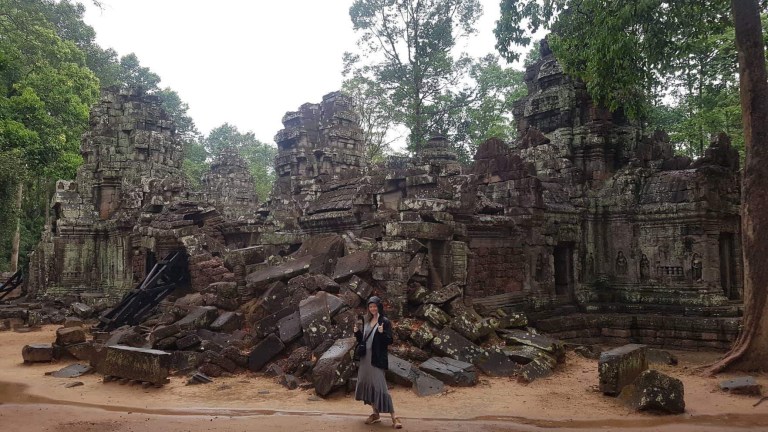
There is evidence of residential housing, however like many of the temples and structures, this is now just rubble.
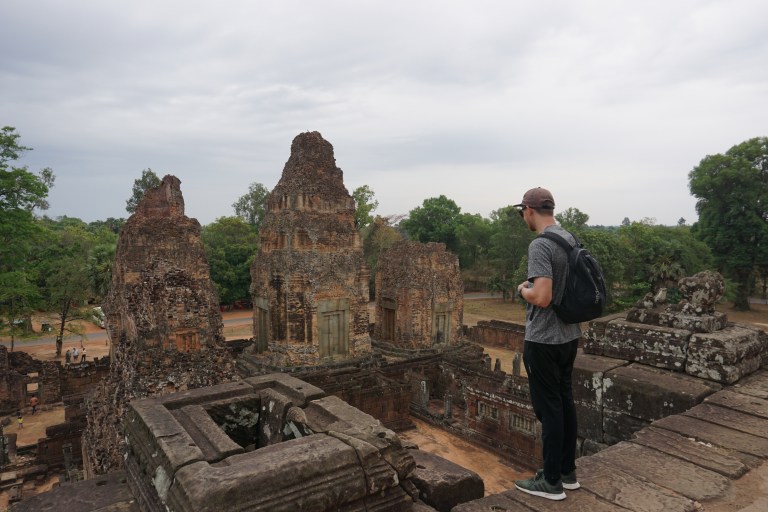
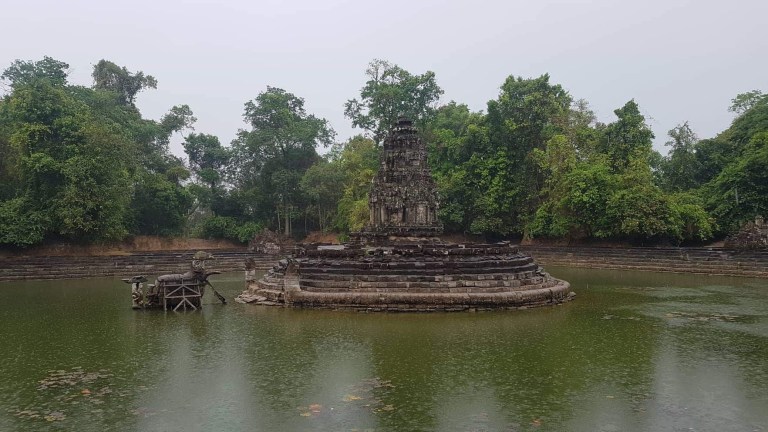
The largest of the structures are concentrated in an area of about 40 kilometres from the centre of Siem Reap. The structures in Angkor used more stone than all of the ancient Egyptian structures combined. The end of the Angkor period has been set at 1431 and it is unknown how the city was abandoned and left to ruin. Many historians believe it was either due to natural disaster, disease, a lost war to Ayutthaya (Thailand) or a mixture of all three.
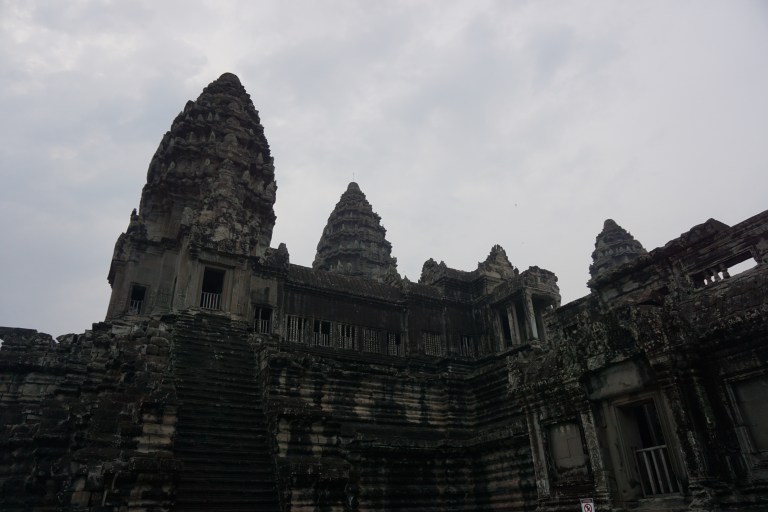
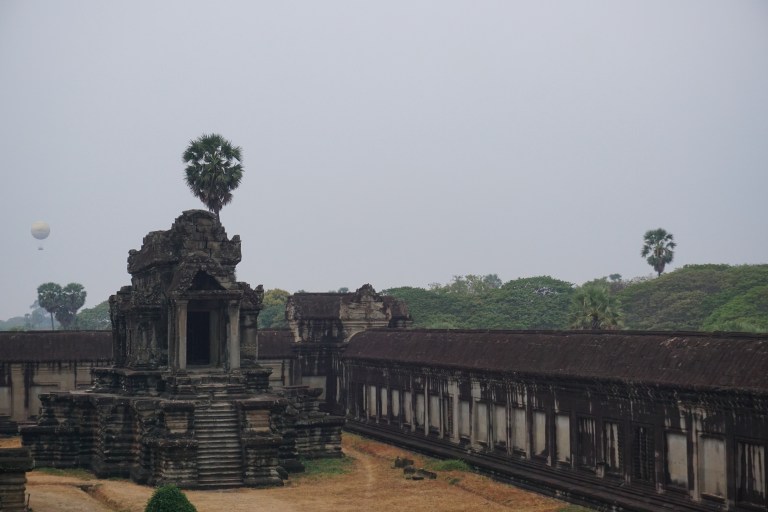
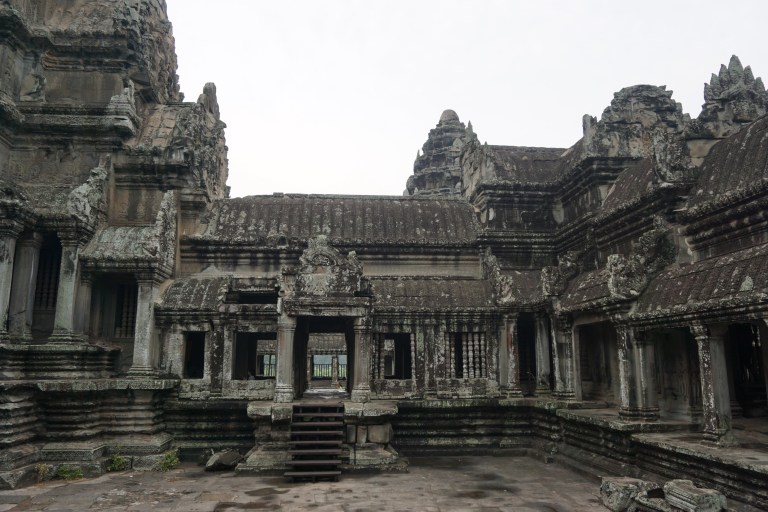
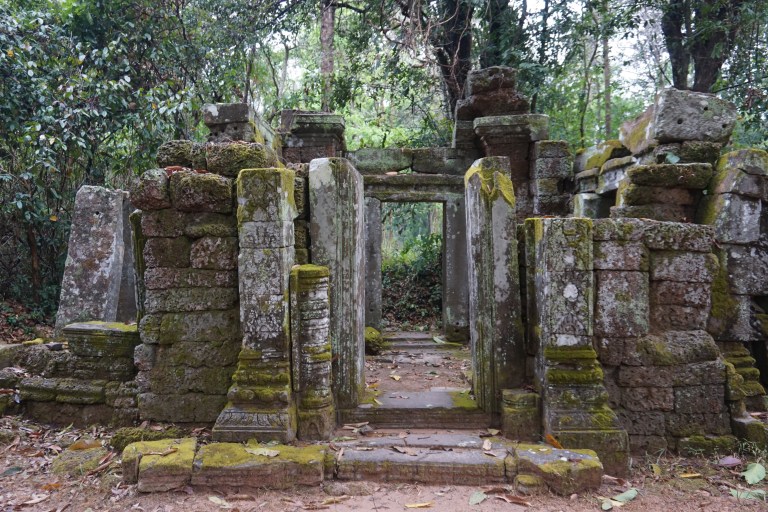
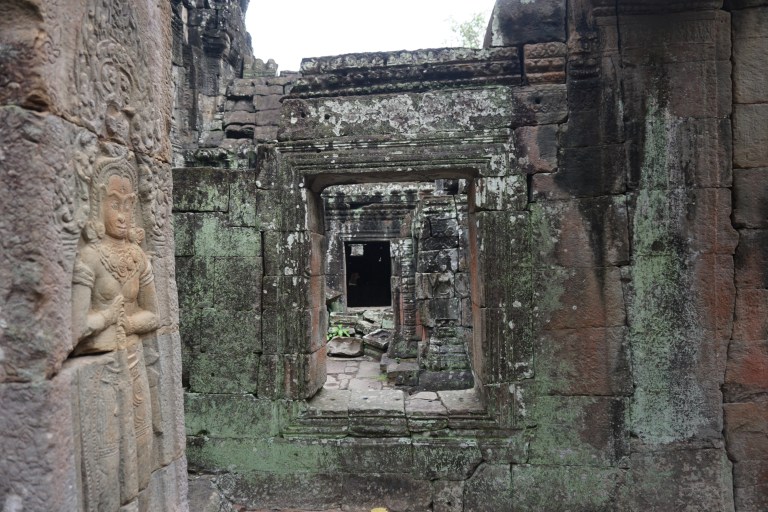
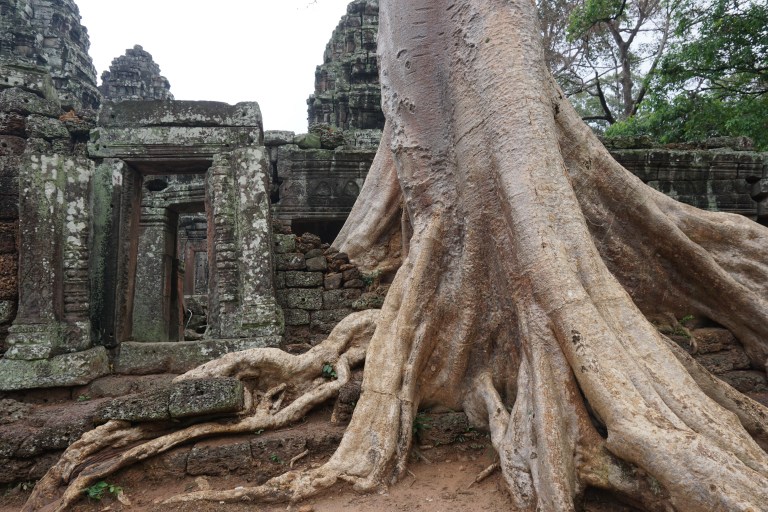
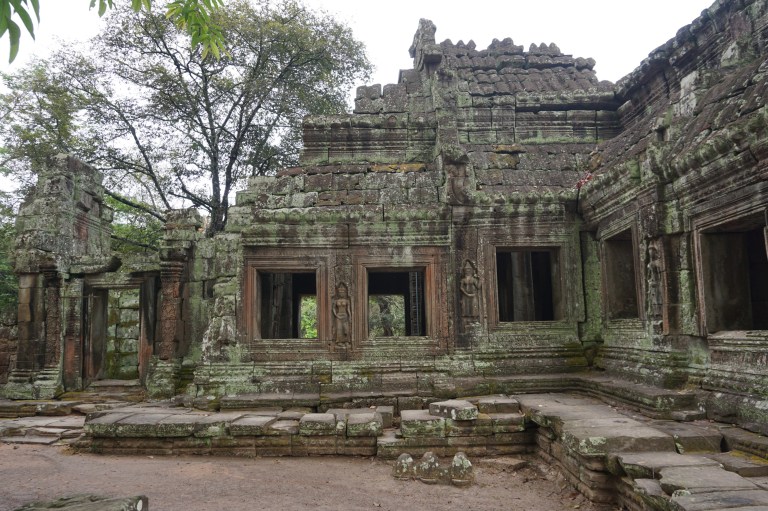
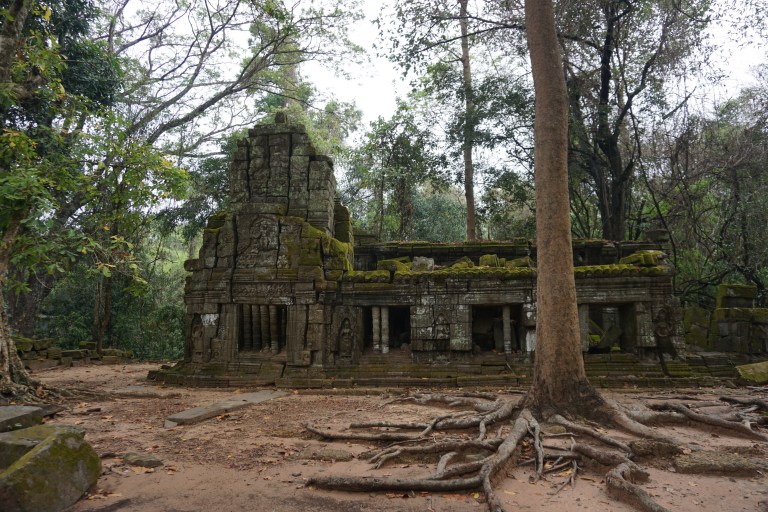
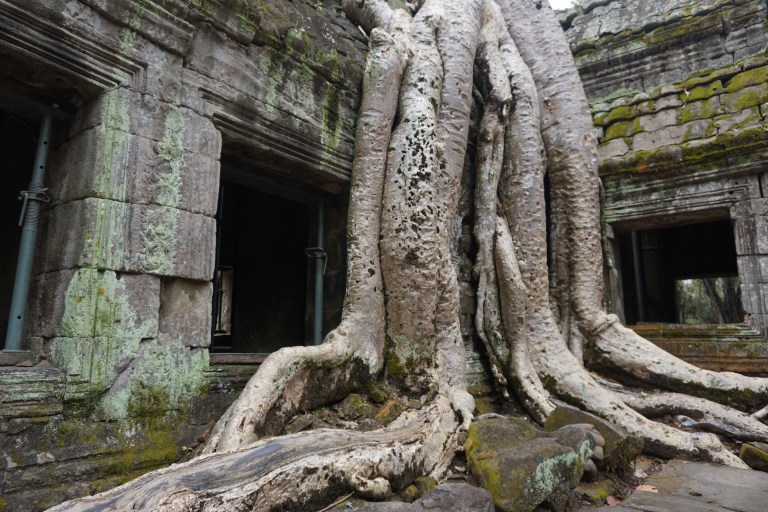
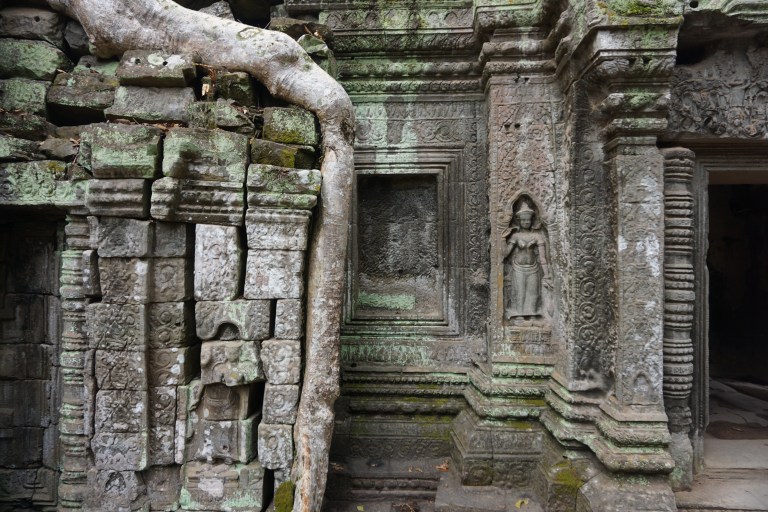
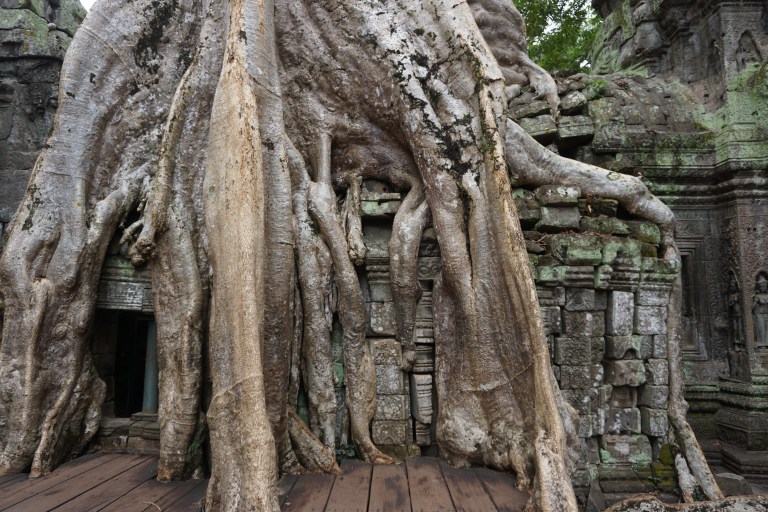
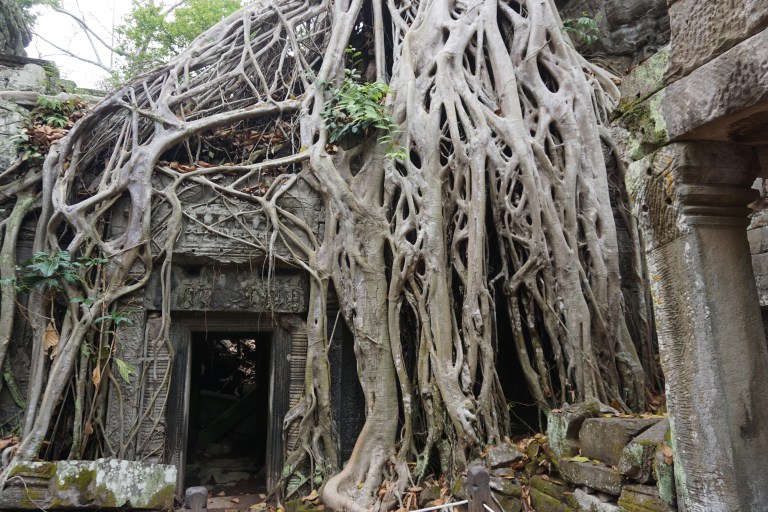
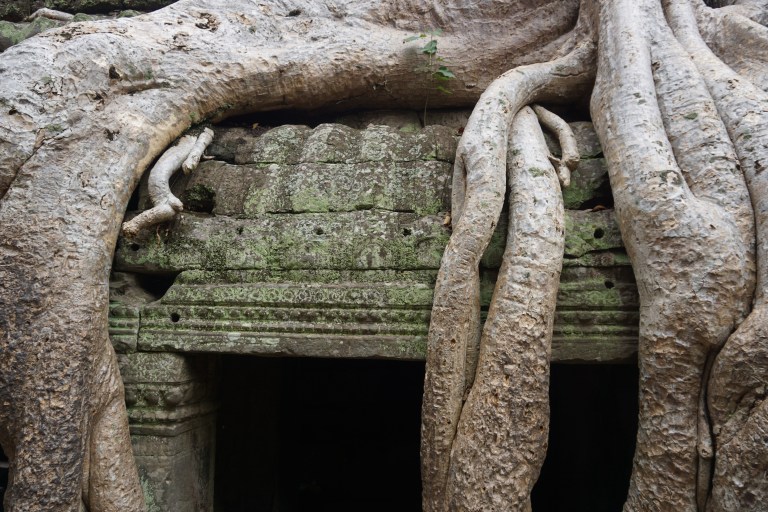
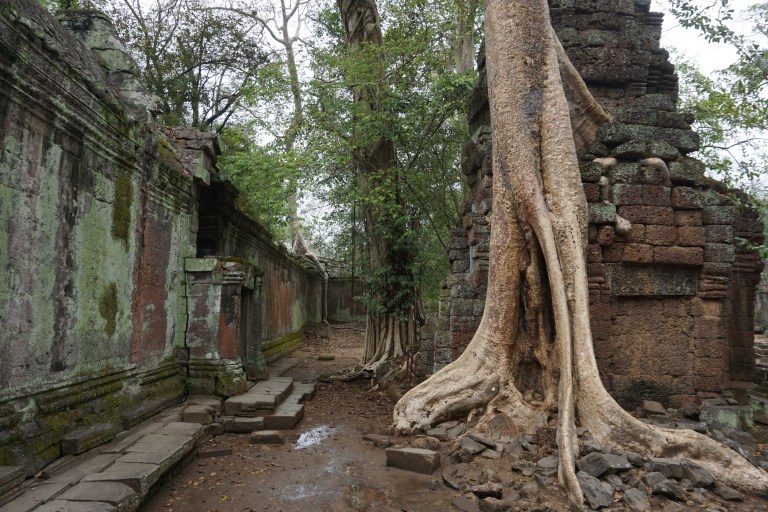
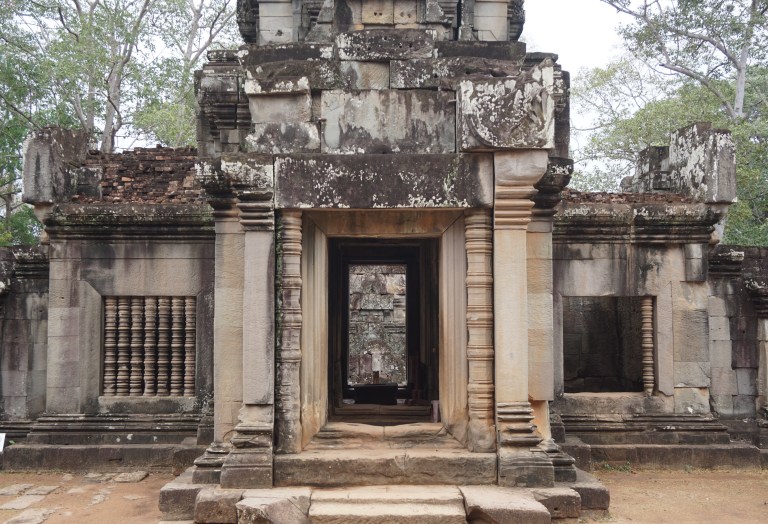
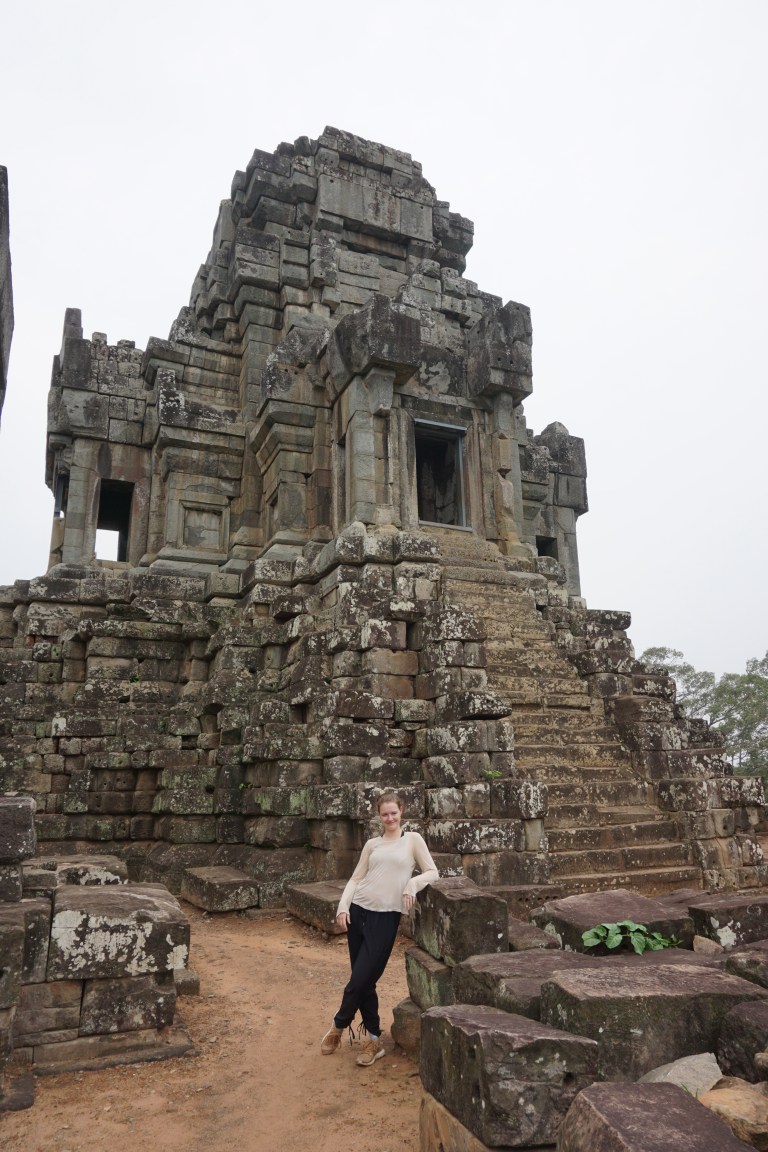
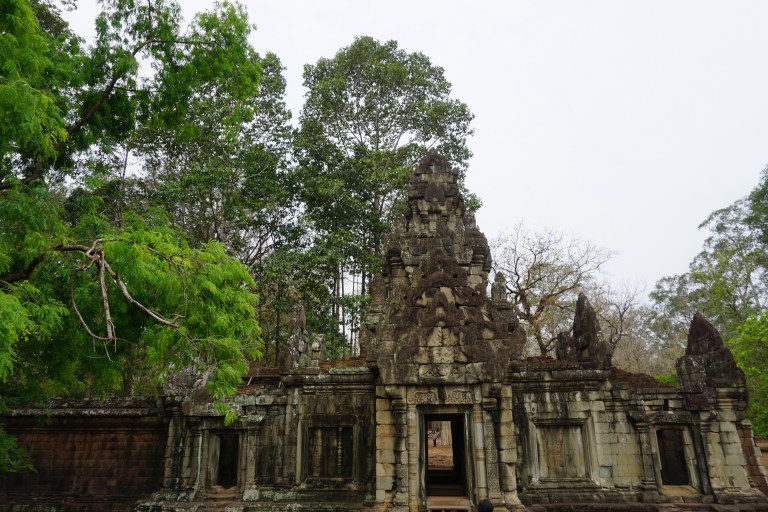
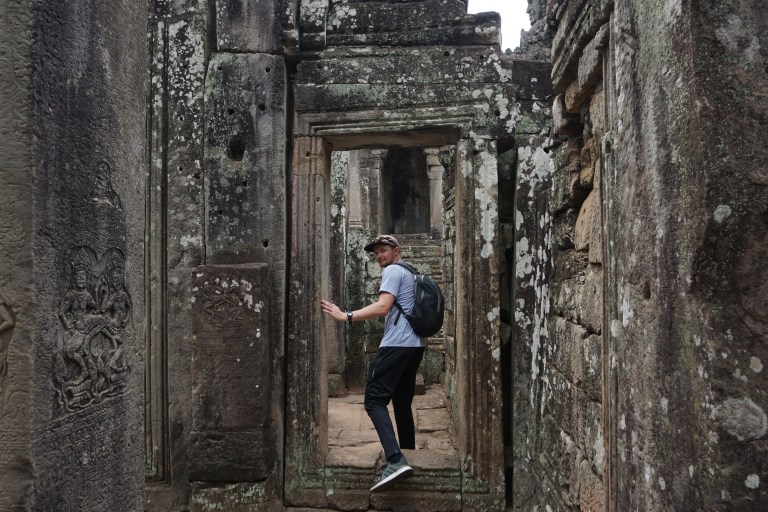
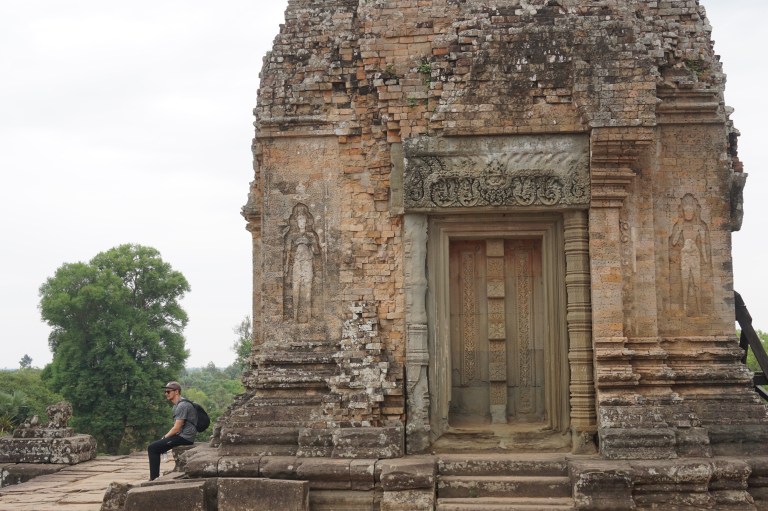
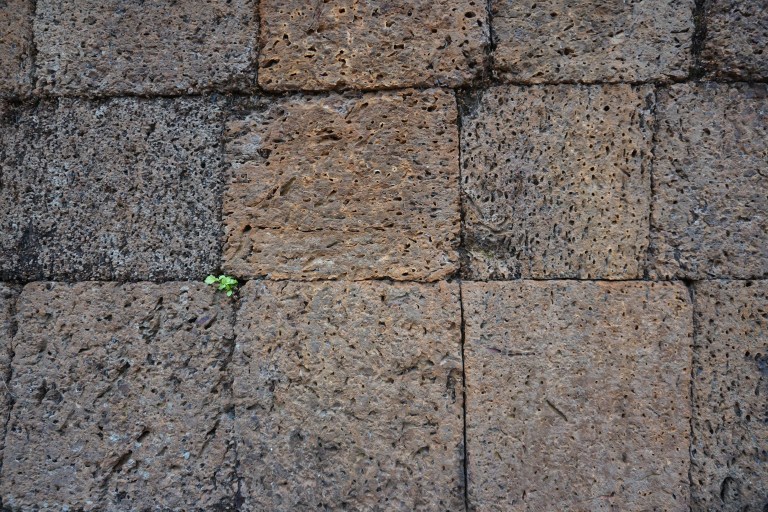
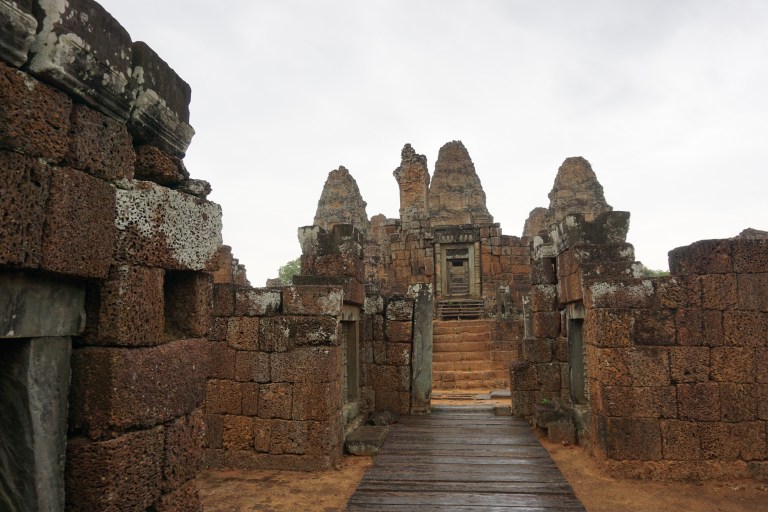
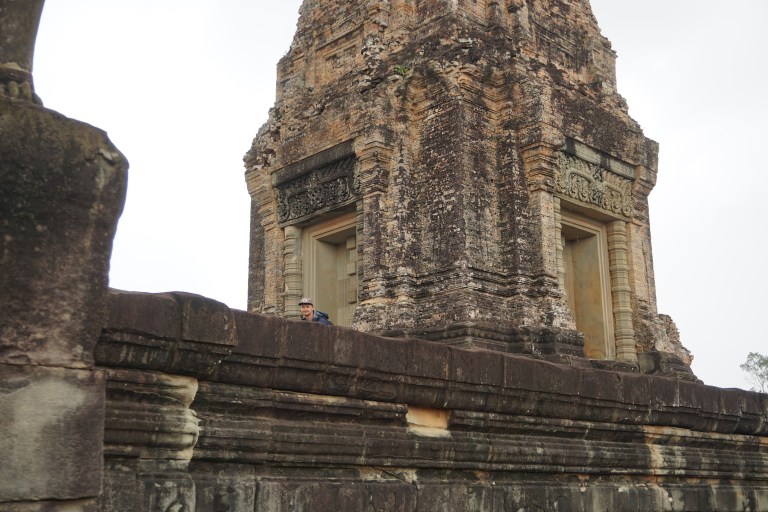
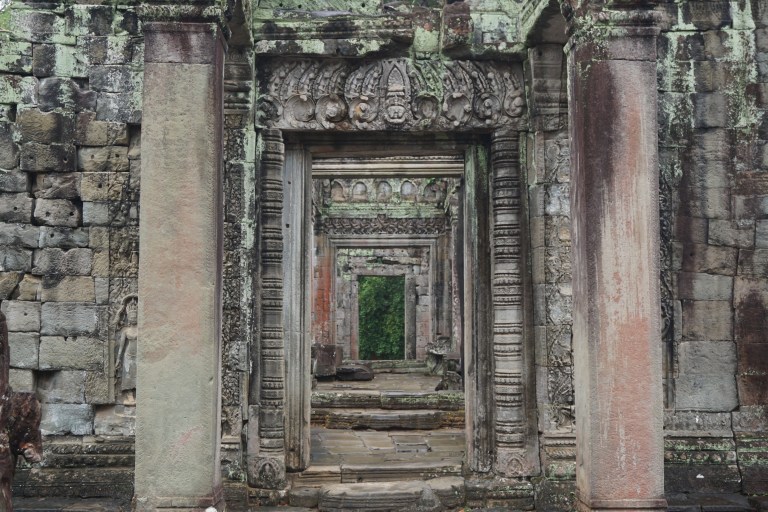
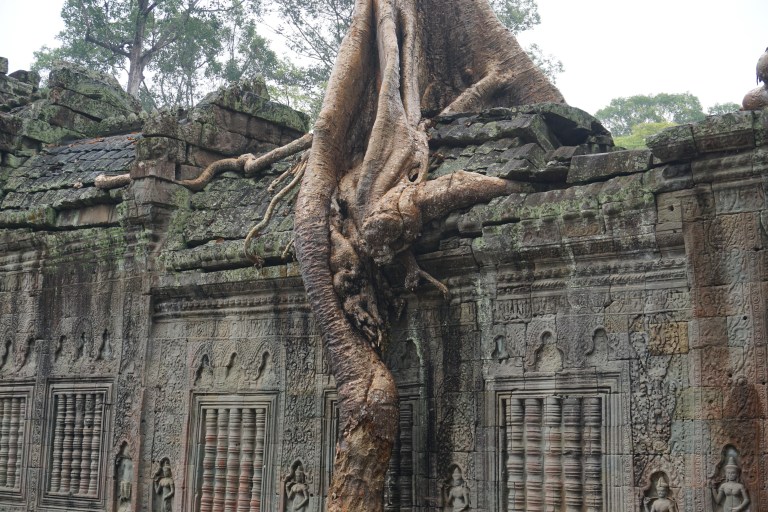
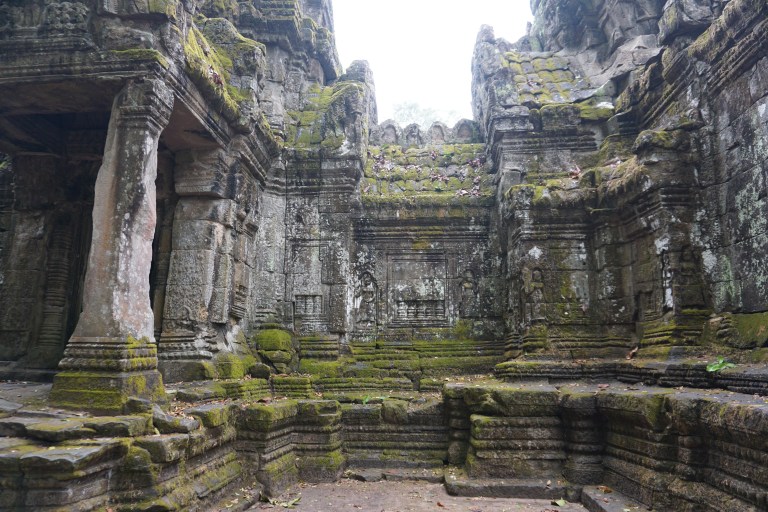
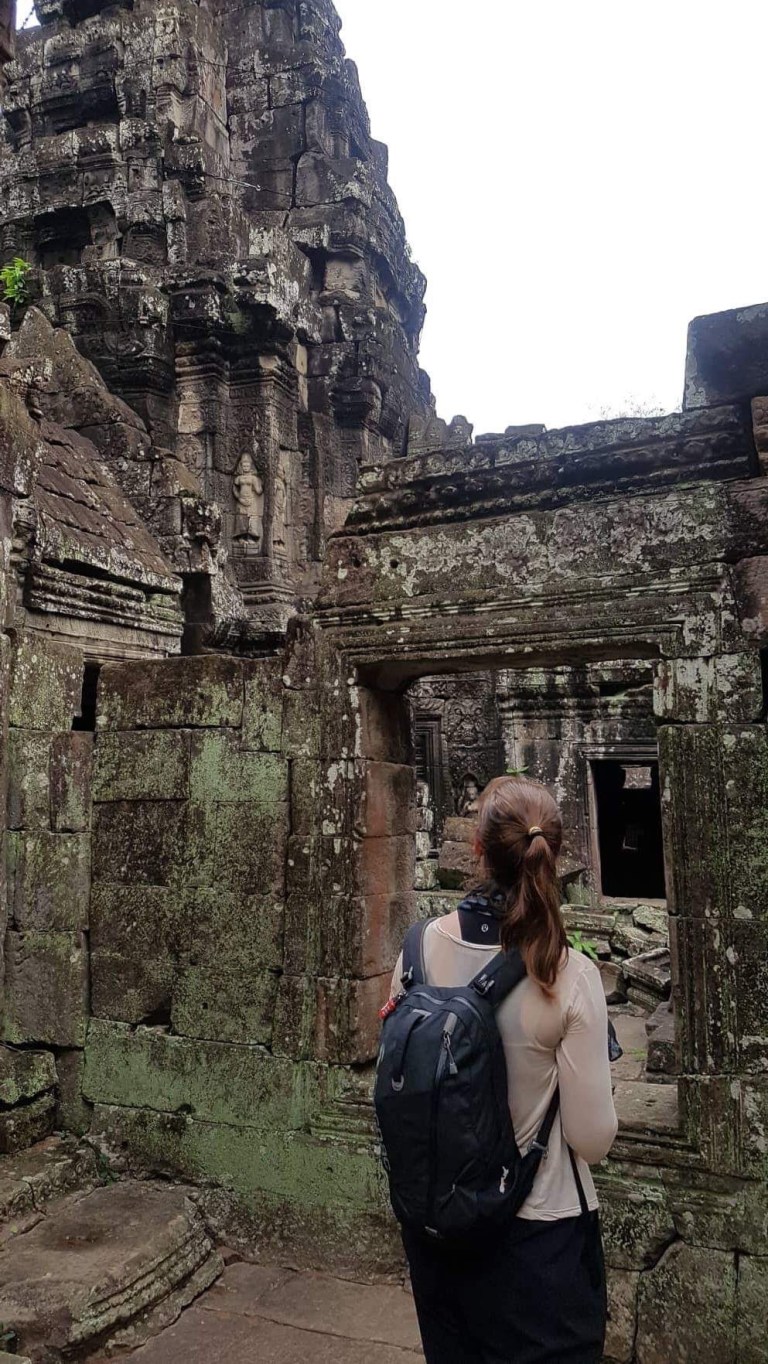
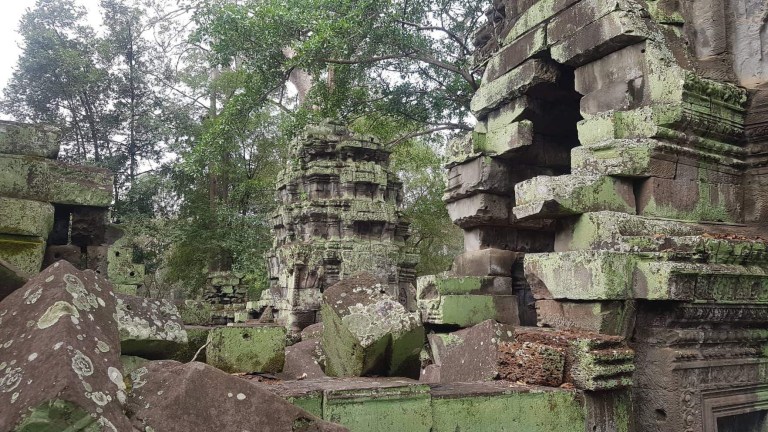
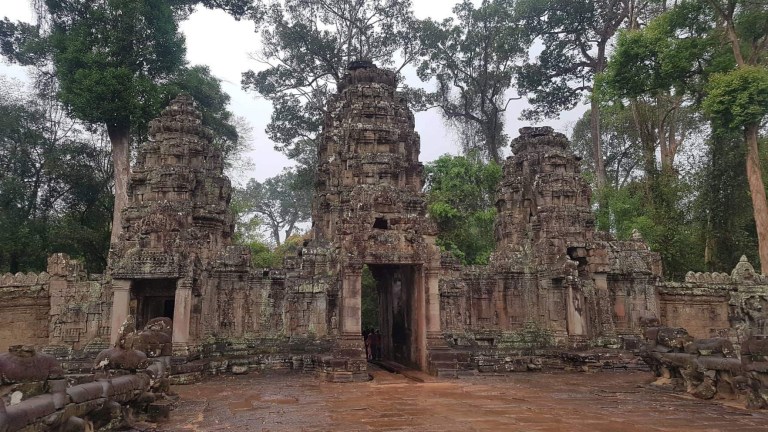
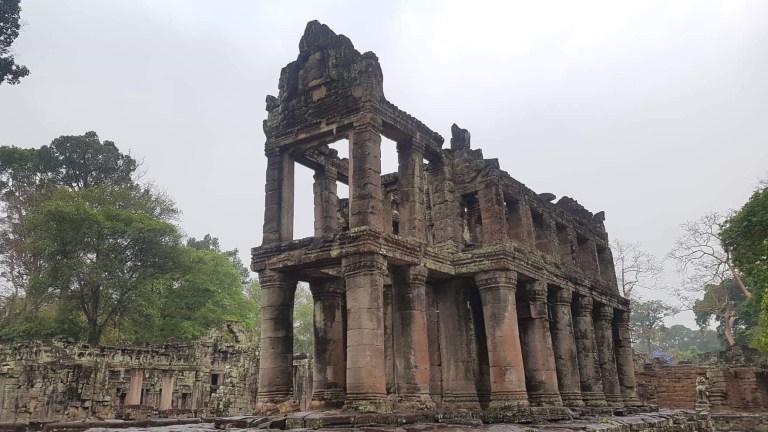
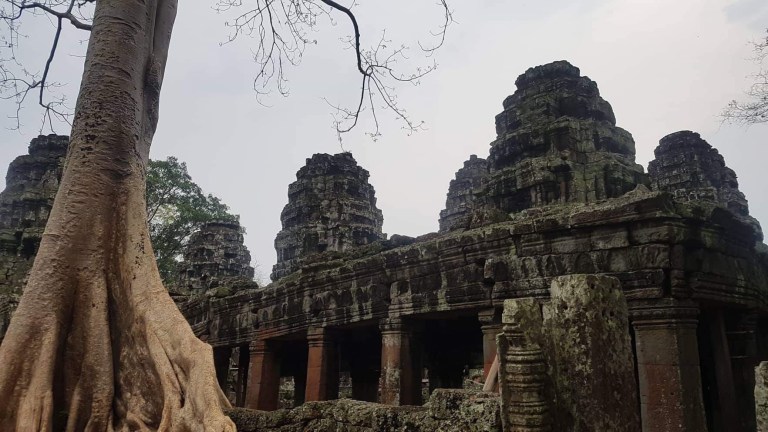
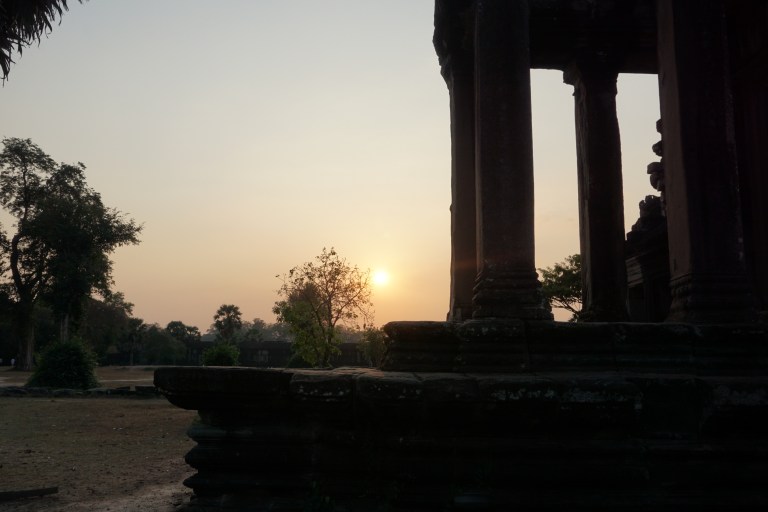
Now days, many structures in the park have had some restoration to support the crumbling brickwork, particularly around door ways. As many of the structures were left to ruin for hundreds of years, nature has taken over many of them with enormous trees and their roots uplifting the stone.
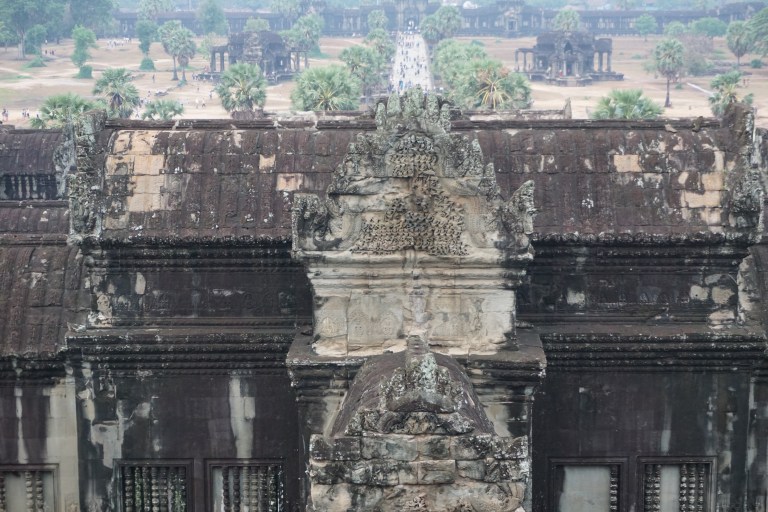
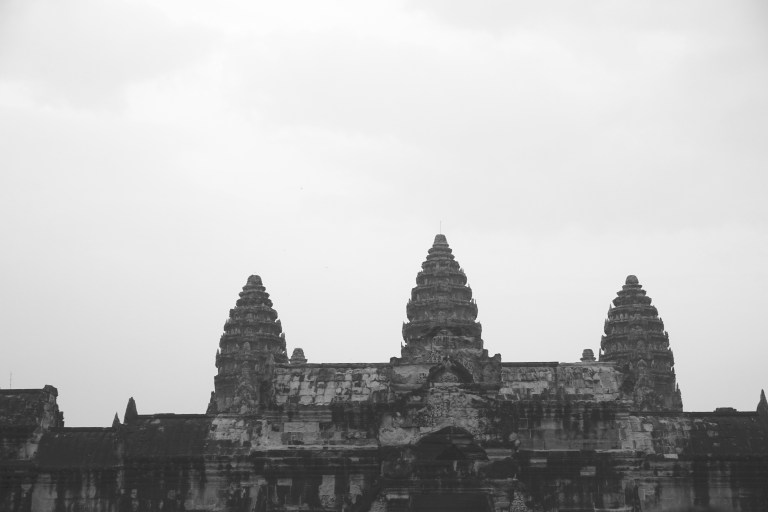
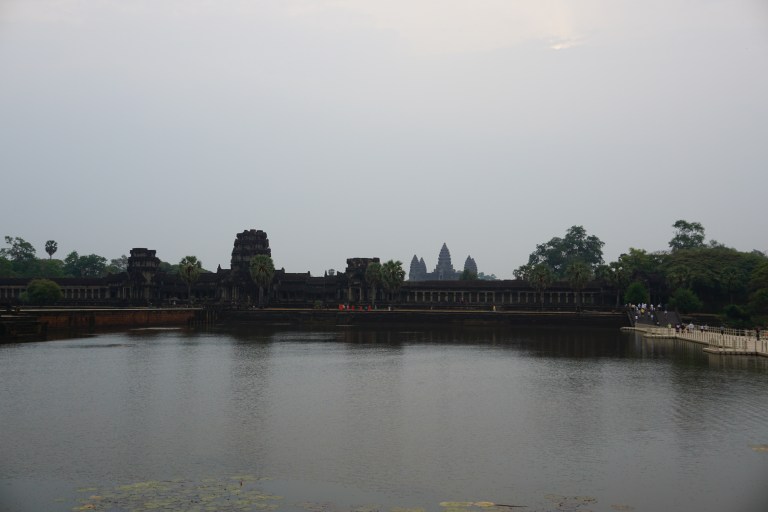
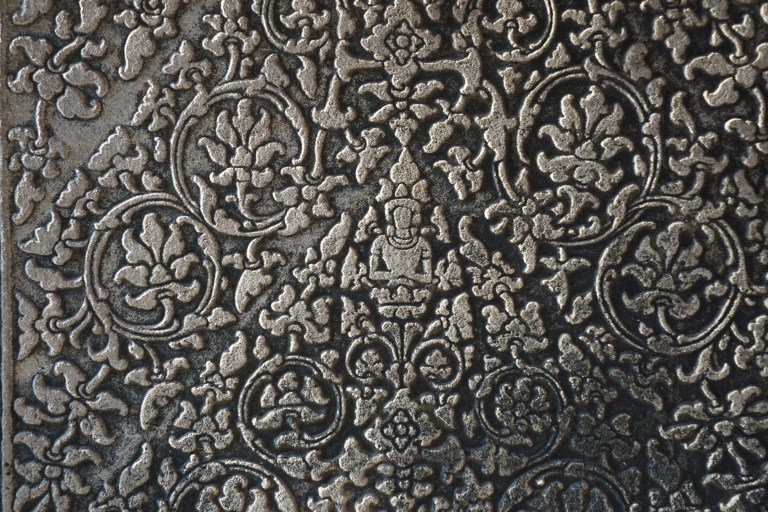
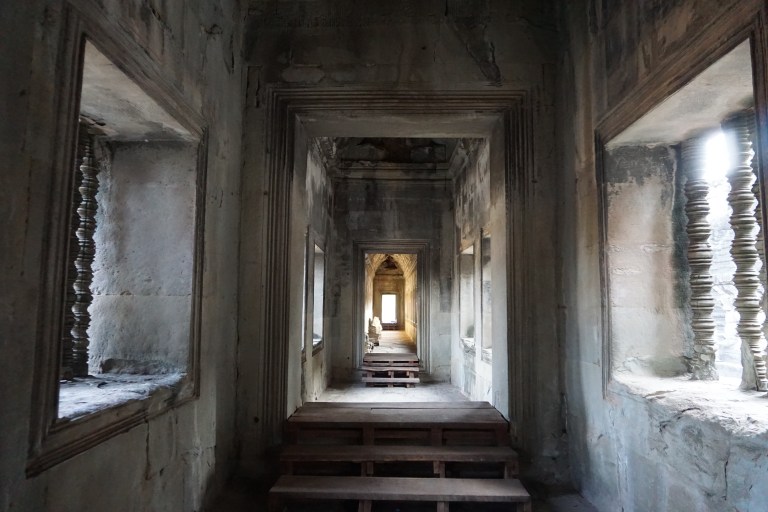
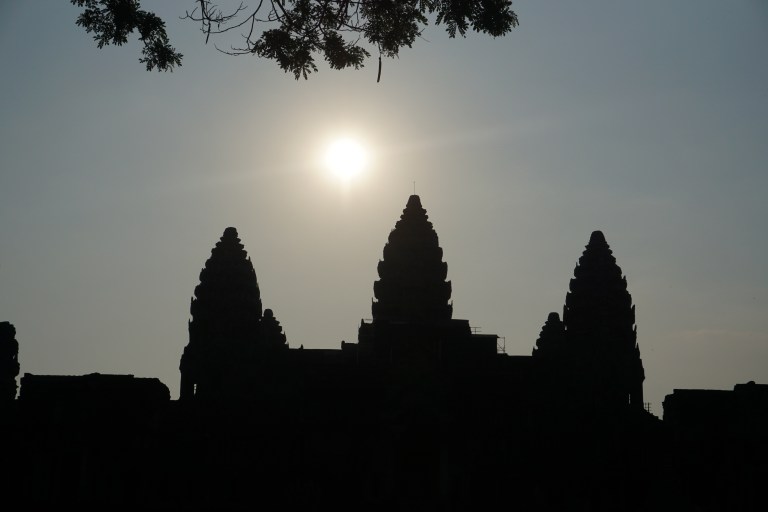
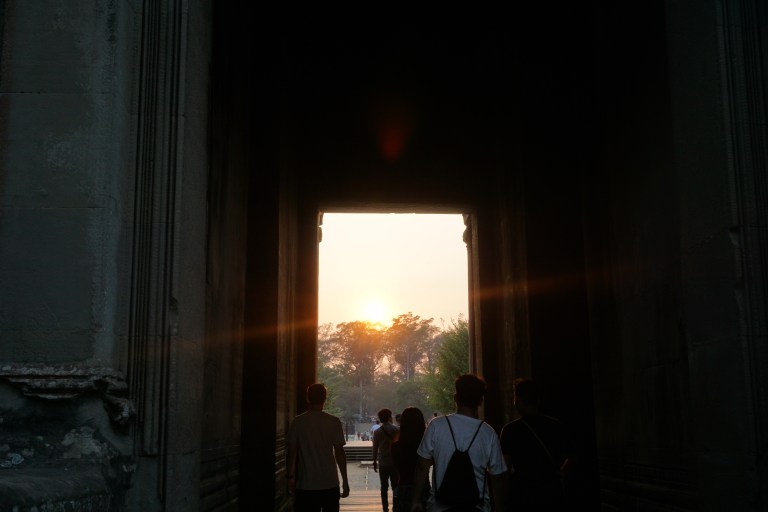
We are absolutely in awe of the construction abilities of the ancient Khmer people. Angkor Wat is the largest religious (Buddhist) monument in the world and it is evident that it took a long time(30+) years to build because of the sheer size and attention to detail.
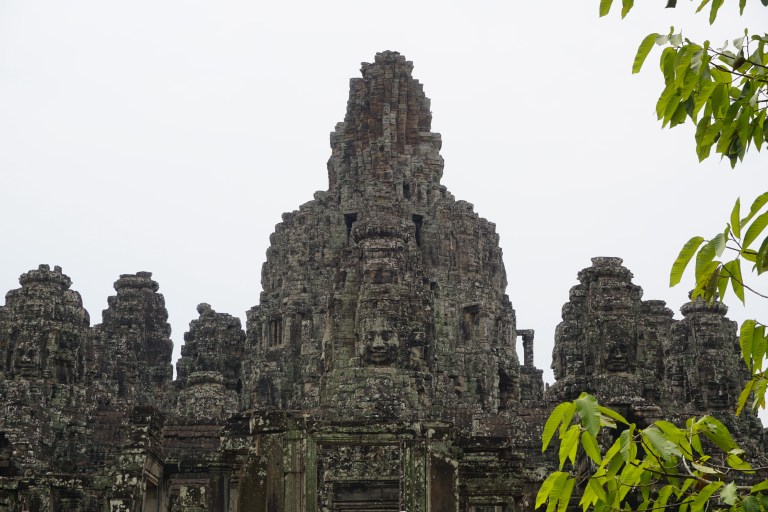
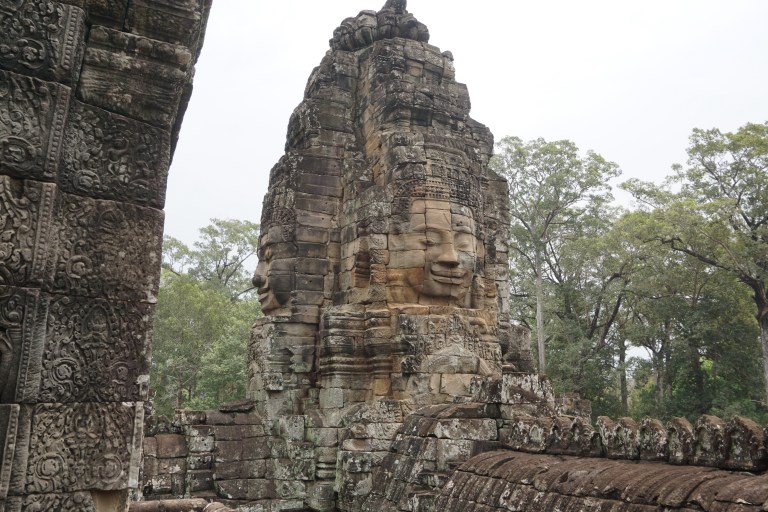
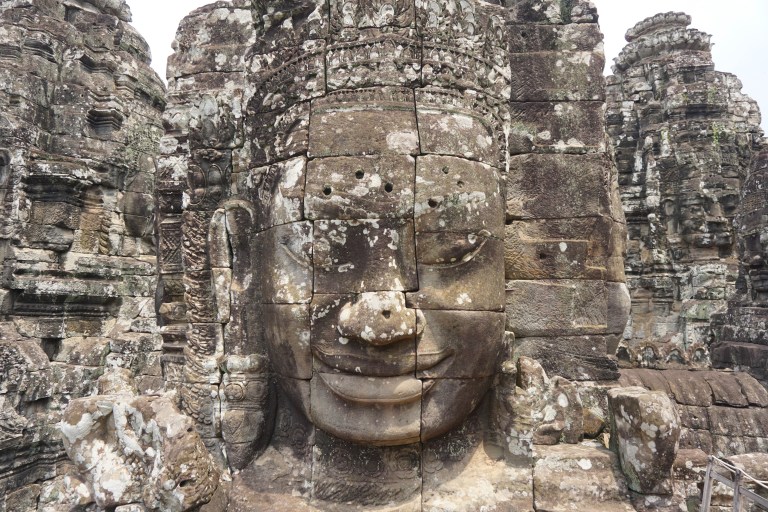
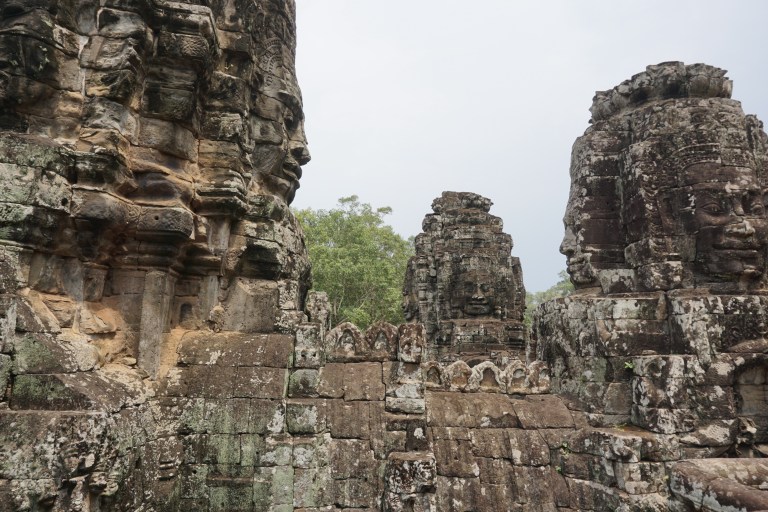
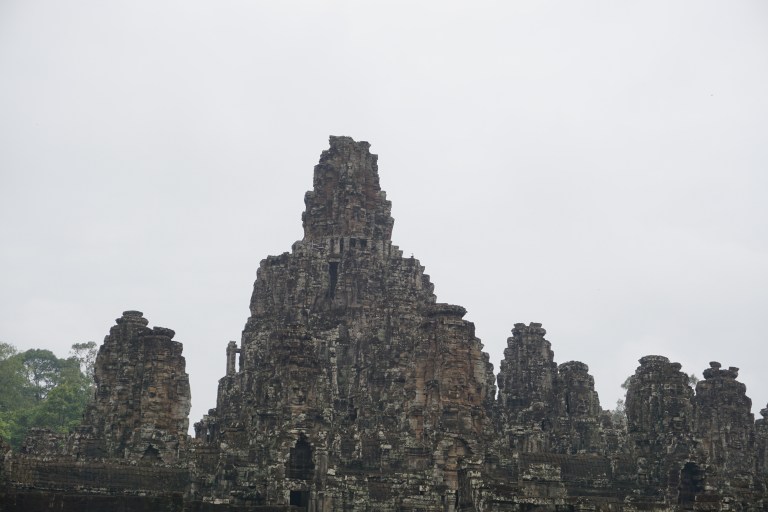
One of our favourites is Bayon temple with many faces carved into the stone that make up every pilar. Ta Phrom is also special because of how it is slowly becoming a part of nature with the tree roots covering the concrete walls. This is also where part of the 2001 Tomb Raider was filmed.
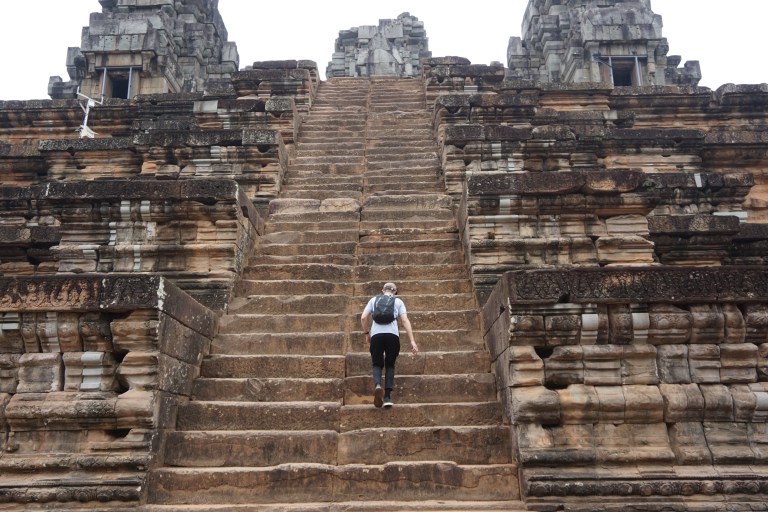
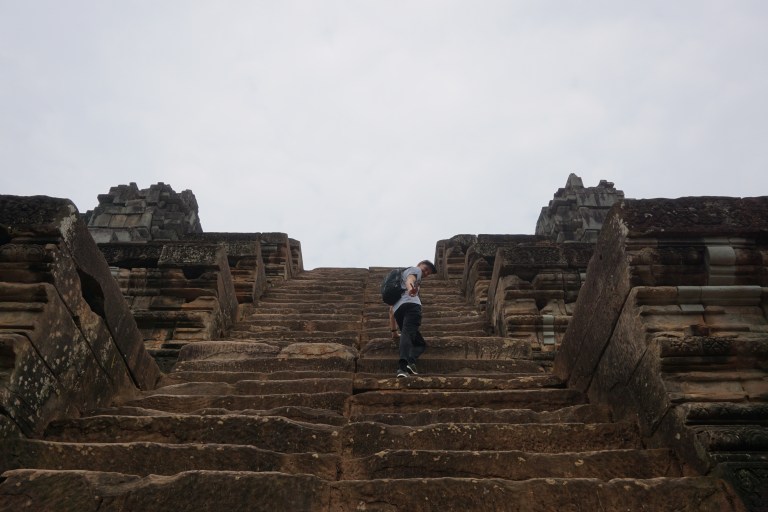
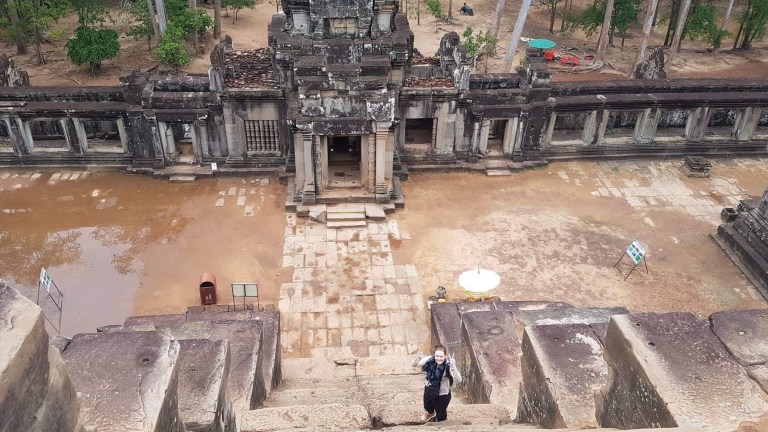
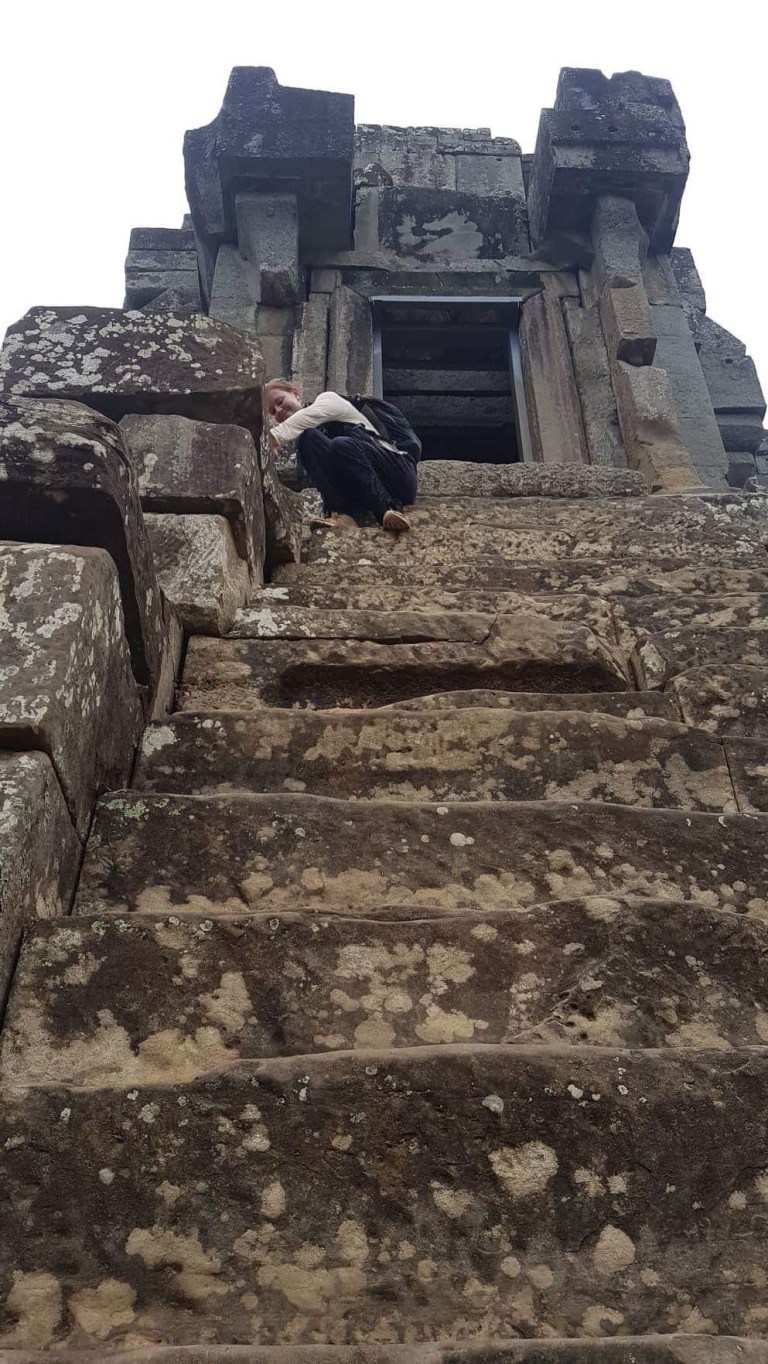
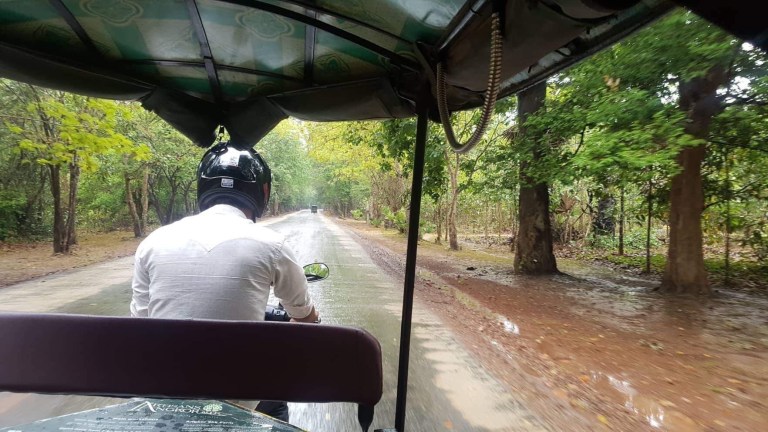
The other temples we saw are also amazing, many are very high which had Matt thinking what kind of scaffolding they could have possibly used in the year 900. We really enjoyed three days of climbing up, in and around exploring these ancient masterpieces. I can see why the Cambodian people are so proud of Angkor, particularly Angkor Wat which features on their flag.
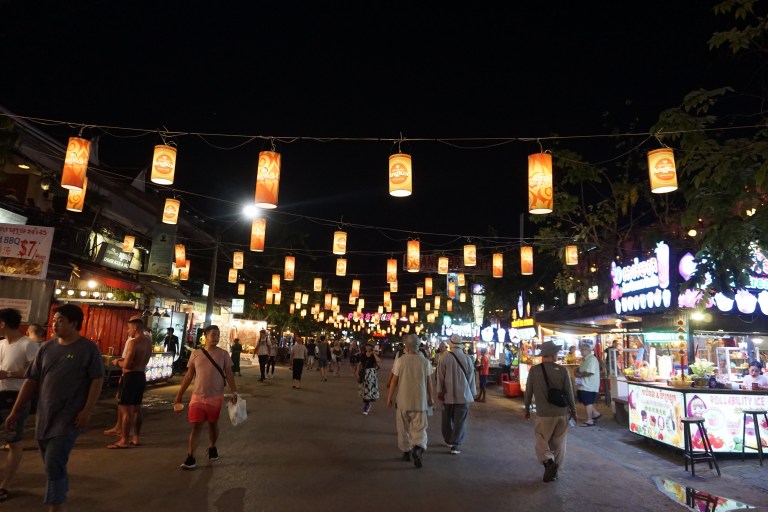
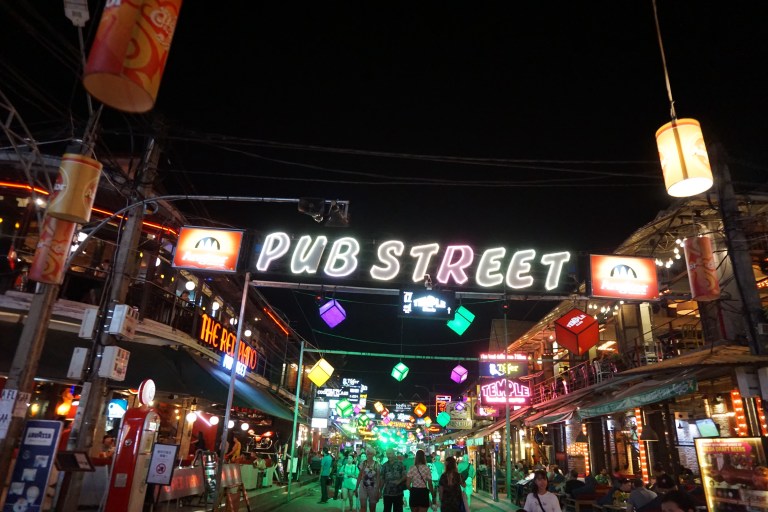
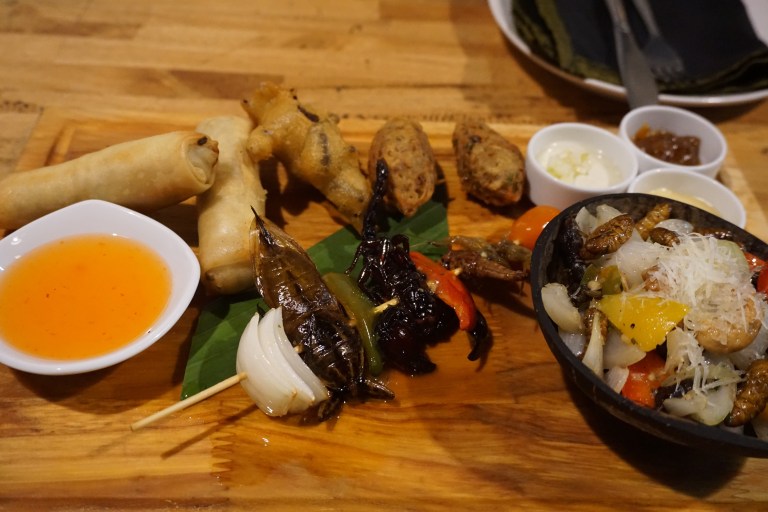
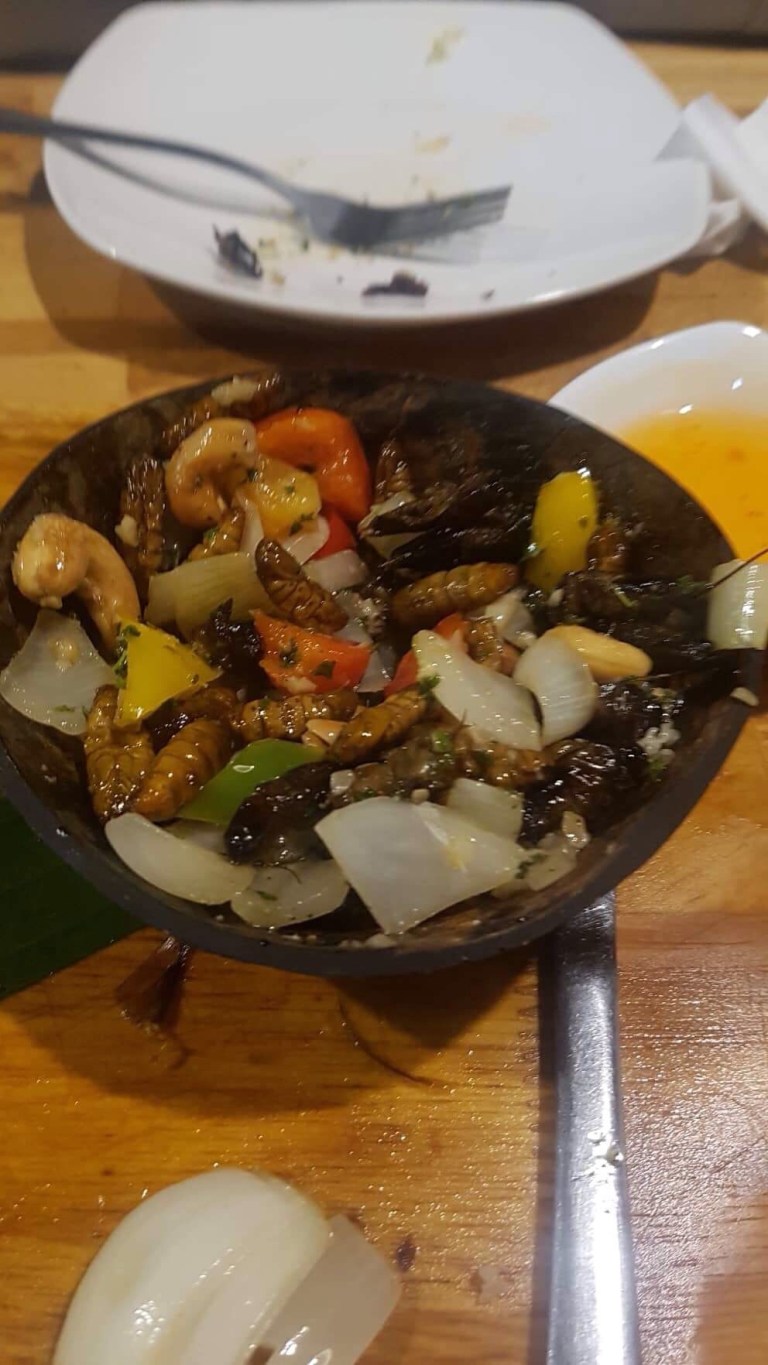
During our time in Siem Reap we enjoyed staying at a hotel with a pool, had lunches at a local cafe that supports the primary school, drank several Angkor beers and finally ate some bugs (scorpion, tarantula, silk worm, cricket and water bug 😱- they were actually really good).



So that’s all for South East Asia, for now. We head to Bangkok via bus on the 27th for two nights to enjoy the last of the street food before flying to Buenos Aires. On the 29th we fly to SWEDEN direct from Thailand for an overnight stop before carrying on to London for a layover then straight to Buenos Aires. The next post will be from Argentina!
 Matt Erin Travel