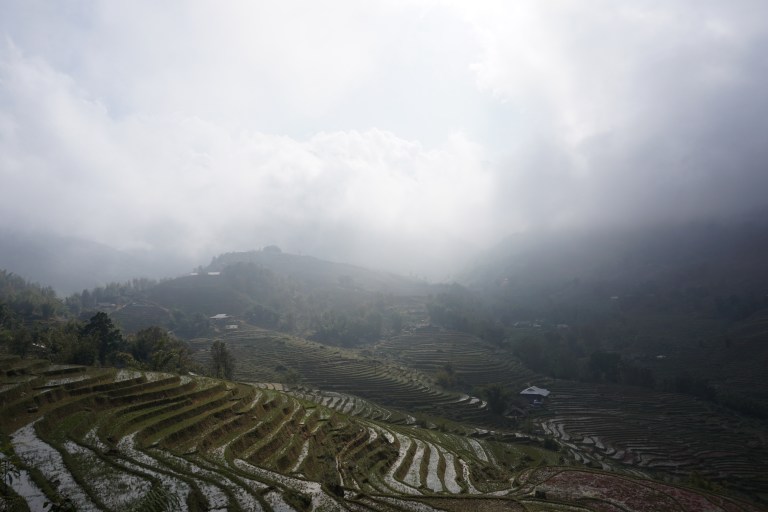
We are currently on our way back to Hanoi after 6 days and 5 nights in Sapa, in the very north of Vietnam.
Our time in Sapa has been relaxing and I think that it’s my favourite place we have been so far. It is located up in the mountains, close to the border of China, surrounded by rice terraces. We found the town reminds us of a mixture of Whistler in Canada and Queenstown back home, of course with a Vietnamese flair.
We came to Sapa to do an overnight trek and decided to go with the company The Sapa Sisters. This company is run by local Hmong women and believes in empowering women to work and support themselves. They pay well out of all trekking company’s, pay maternity leave, provide sick and holiday pay so it is a great company to support.
Our guide, May is a super cool 22 year old who grew up in a small village about half an hour out of Sapa town. She has been working for the Sapa Sisters for three years and has paid for her brother to go through university. She has managed to travel throughout Vietnam and Thailand is getting ready to go on a 4 week trip to Germany in a couple of months to visit some friends she met while they were trekking in Sapa.
She has learned perfect English with a slight French accent through talking to tourists , so we chatted the whole time about the similarities and differences in our lives with a lot more being similar than I would have thought. She told me how she has refused to be married twice and is wanting to support herself without having to rely on a husband! I don’t believe women like May are the norm in areas like this, with most girls marrying and having children before the age of 20. We exchanged contact information so hopefully we can catch up again if she makes it to visit New Zealand or we come back to Vietnam.
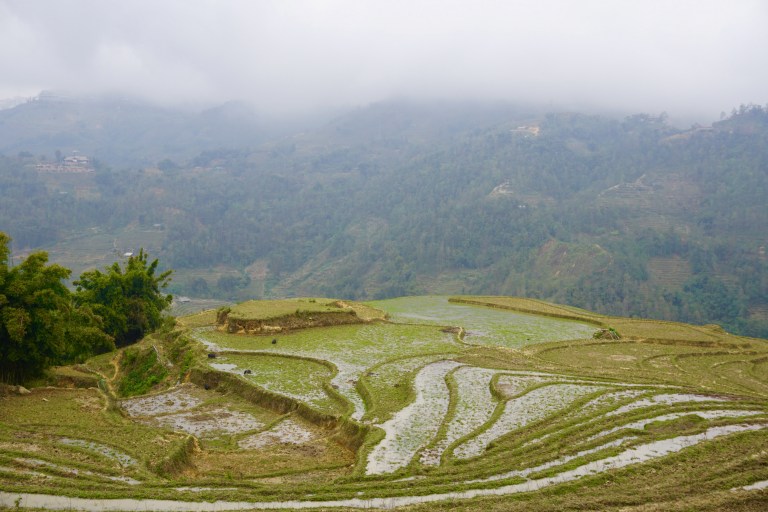
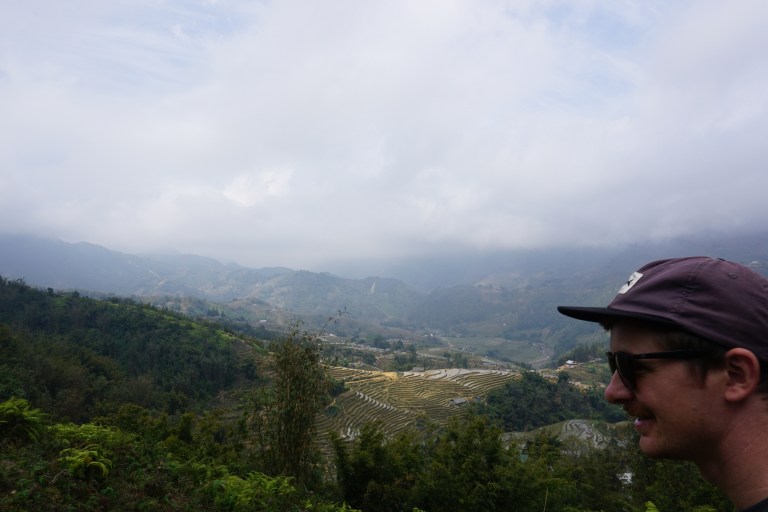
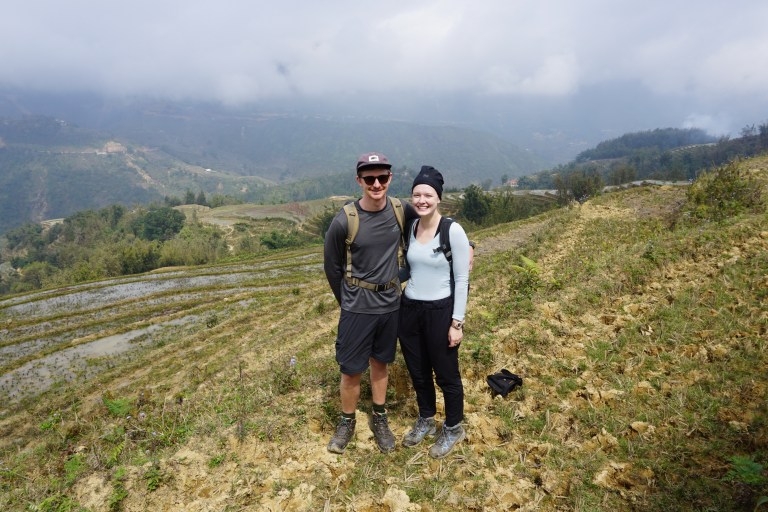
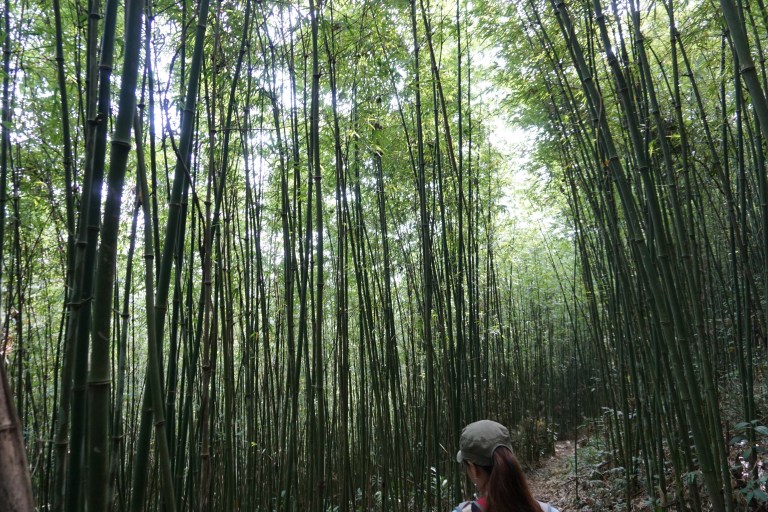
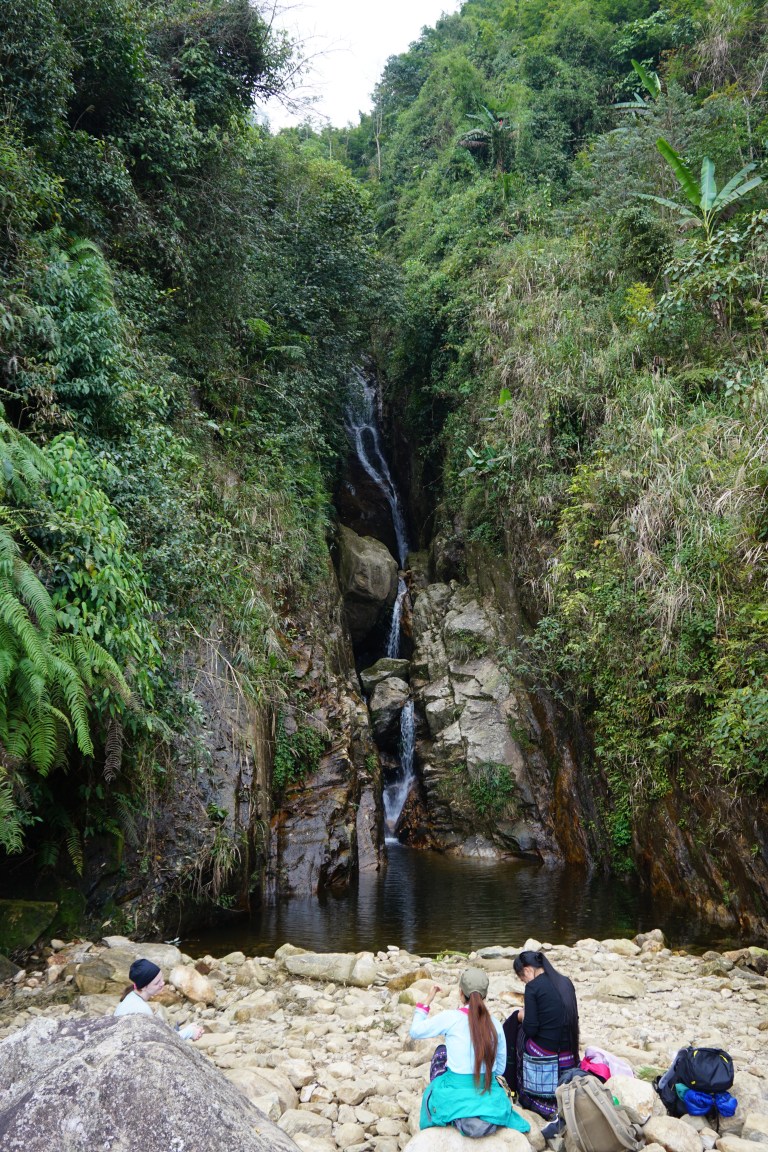
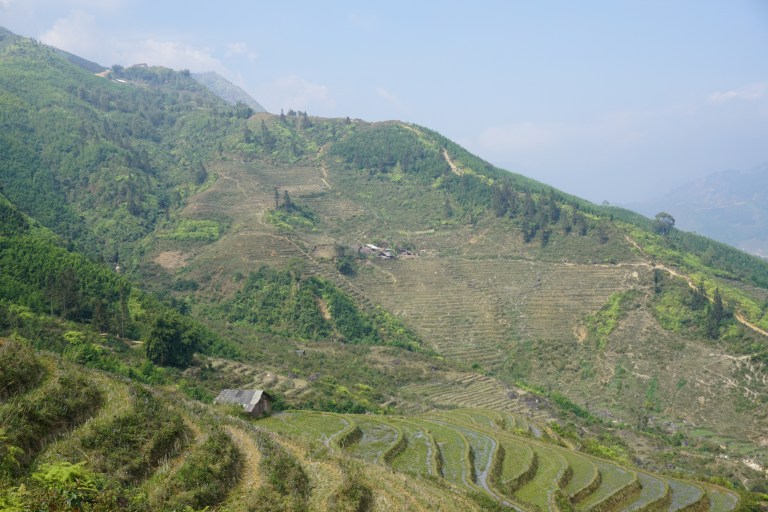
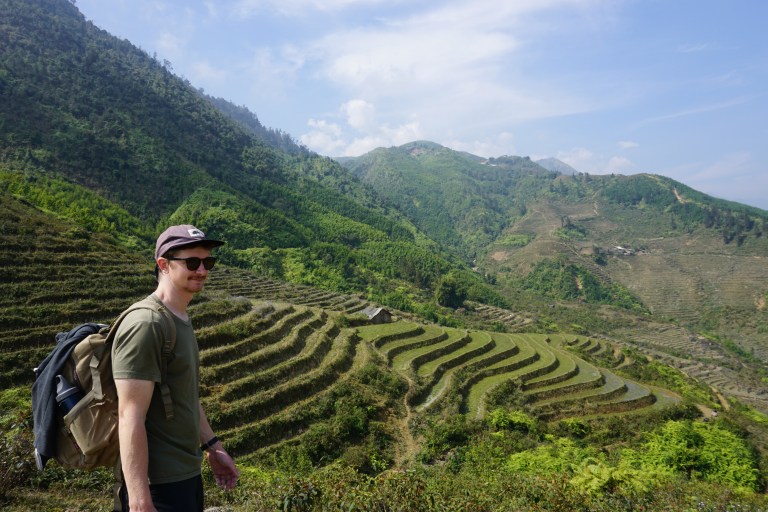
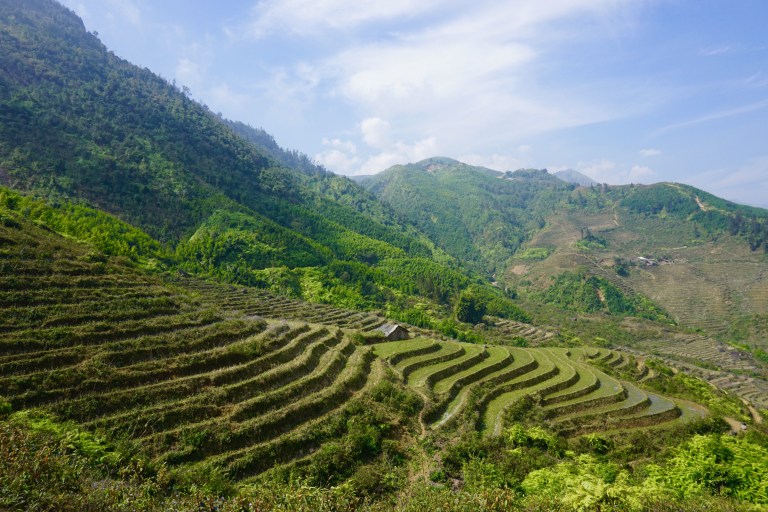
We trekked with May for 6 hours on the first day through beautiful landscapes and stayed the night at Zao’s house. Zao is an ex guide of Sapa Sisters who has saved up to build a big homestead at the top of the hill to house guests trekking with the company. She lives there with her husband and three children and was an awesome host.
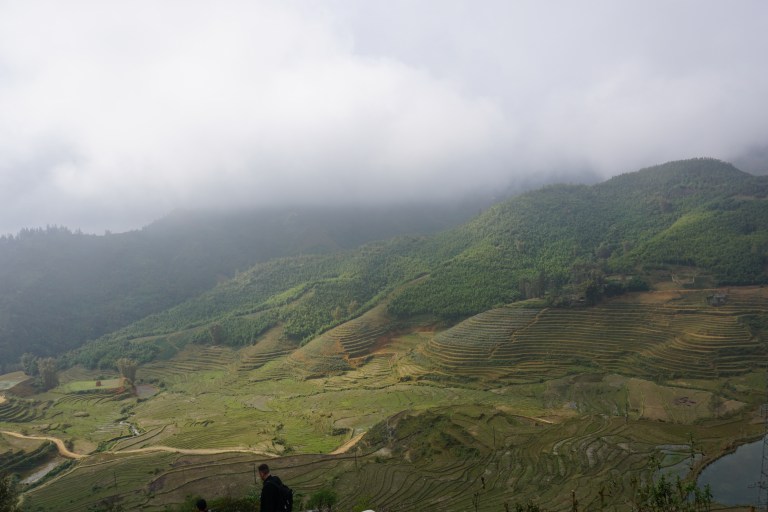
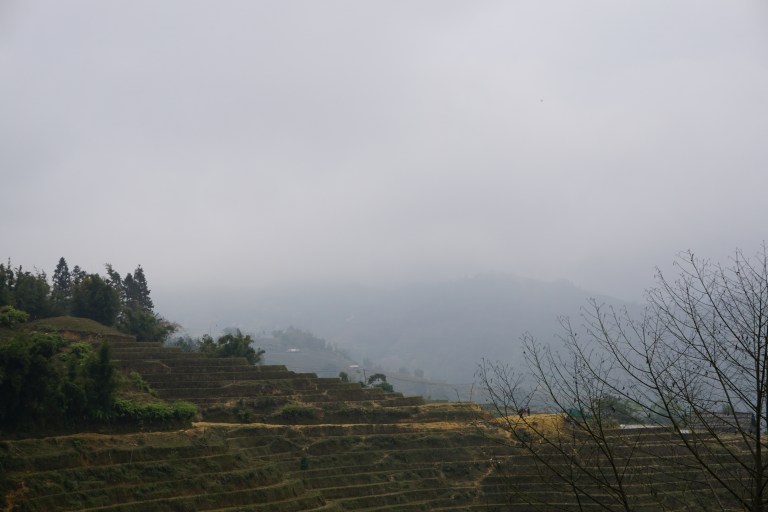
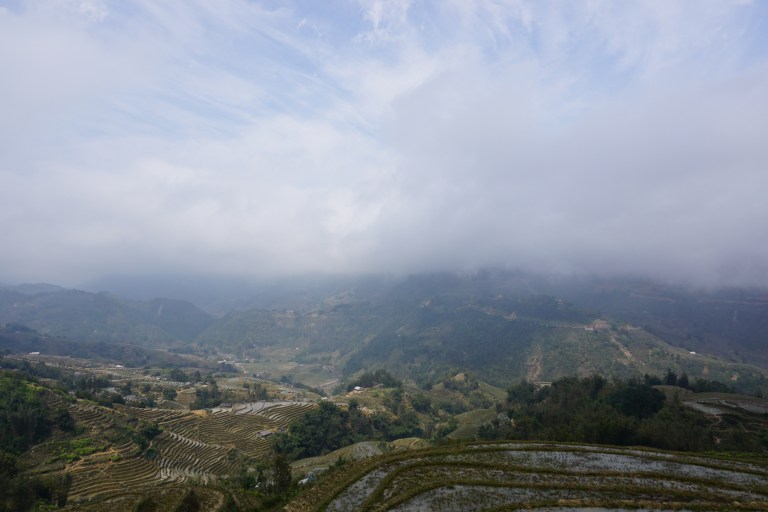
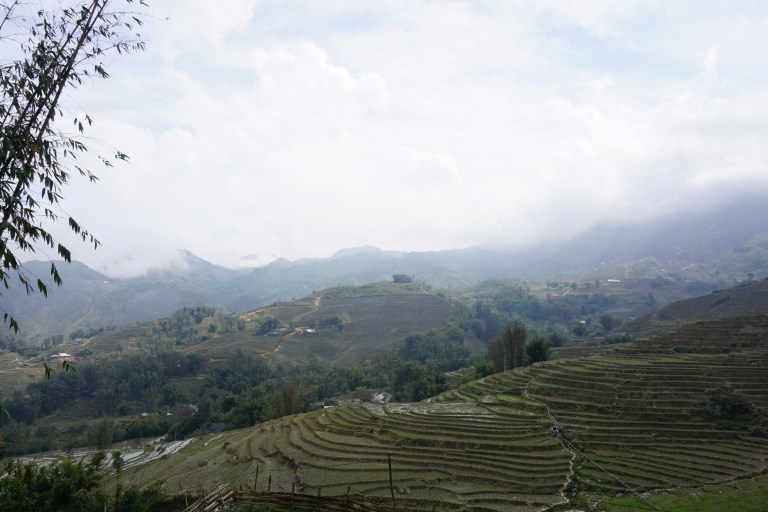
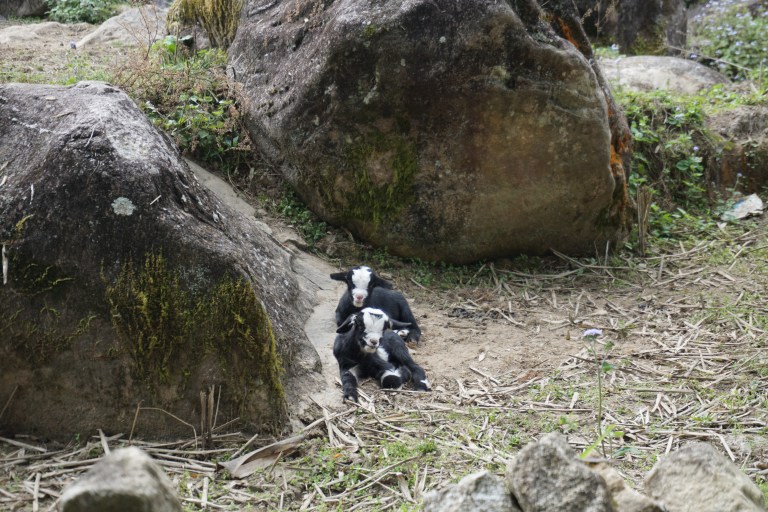
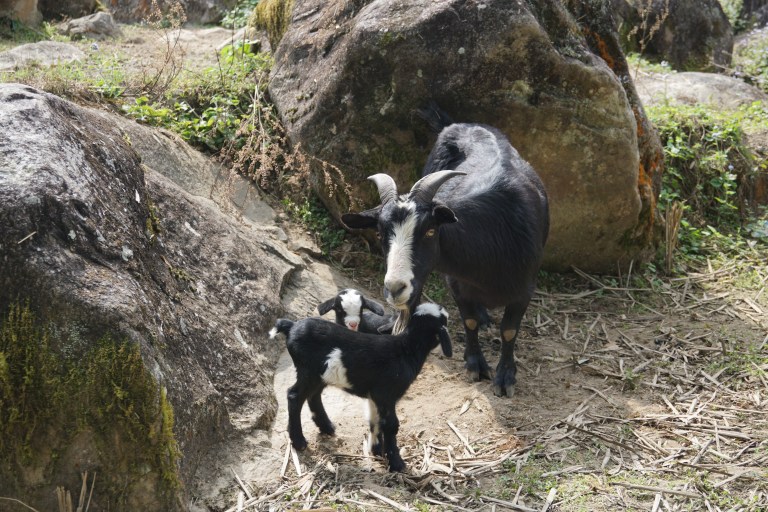
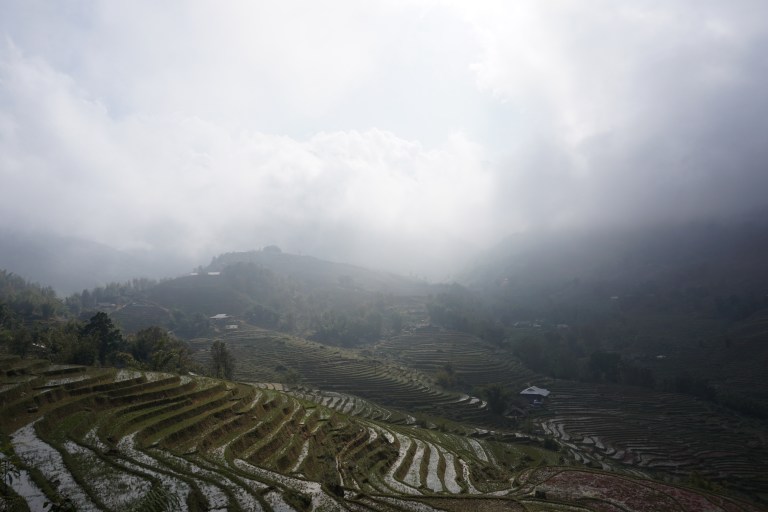
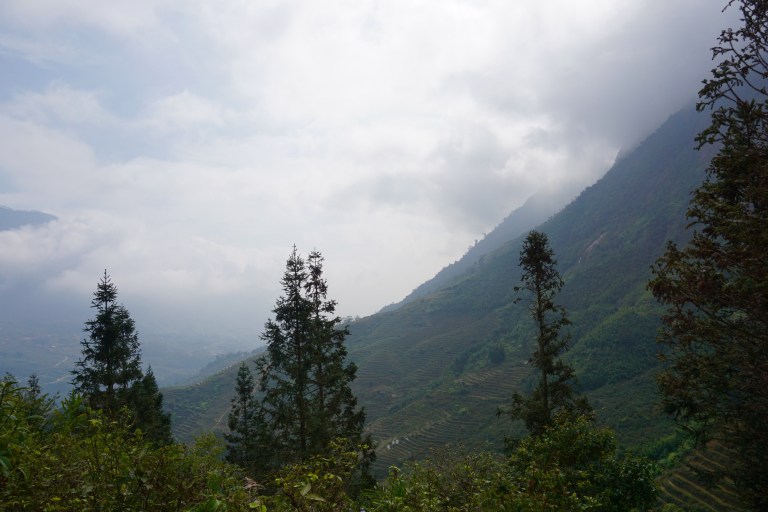
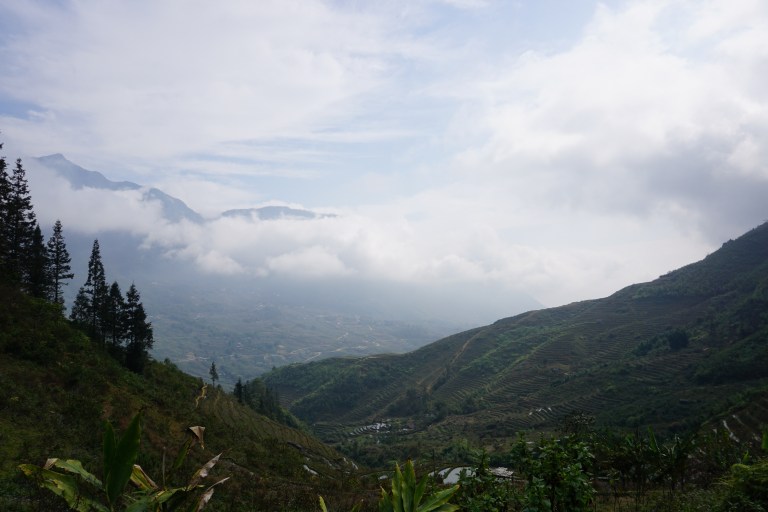
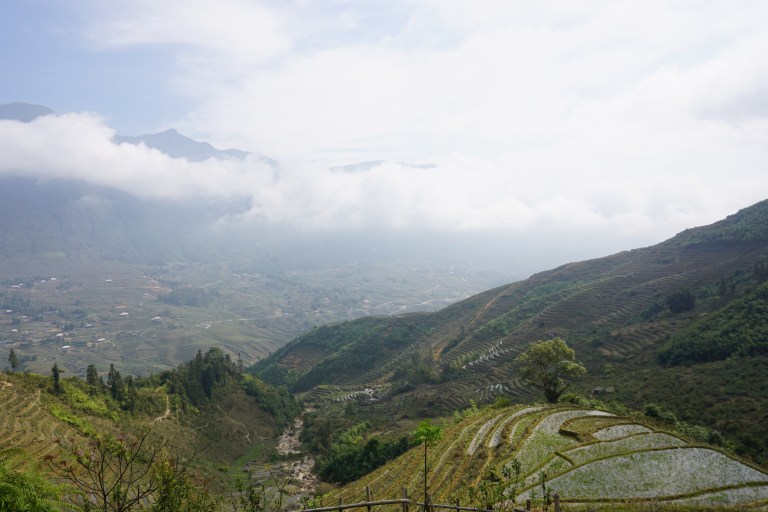
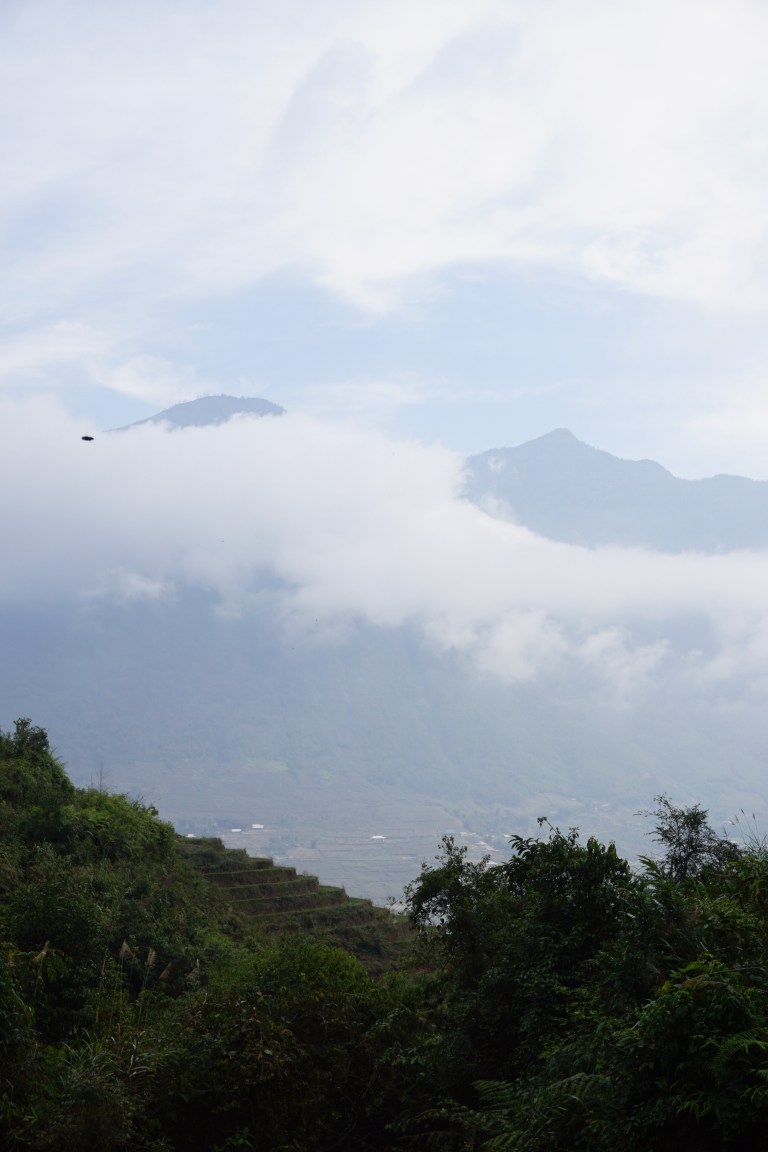
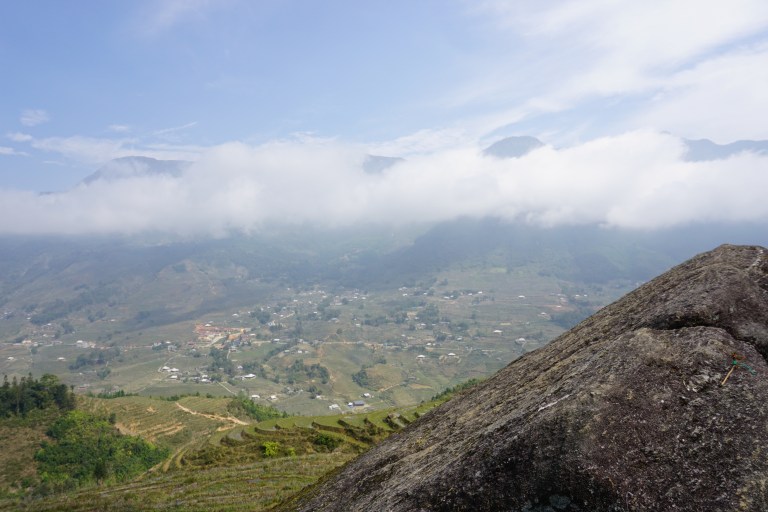
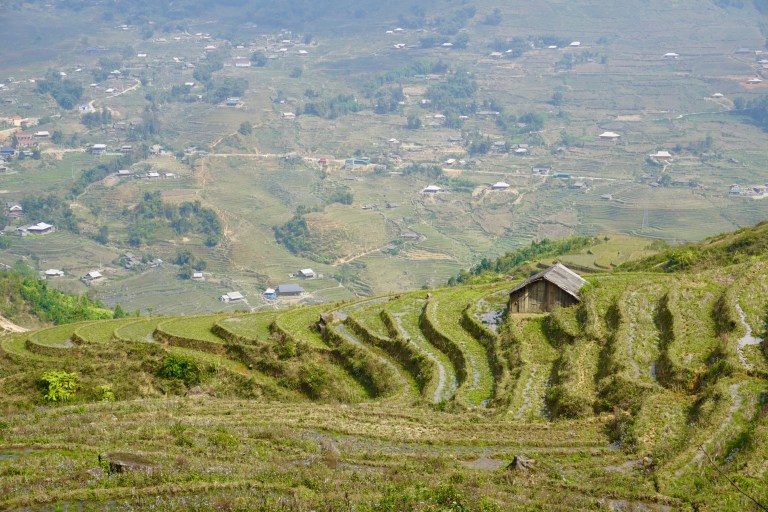
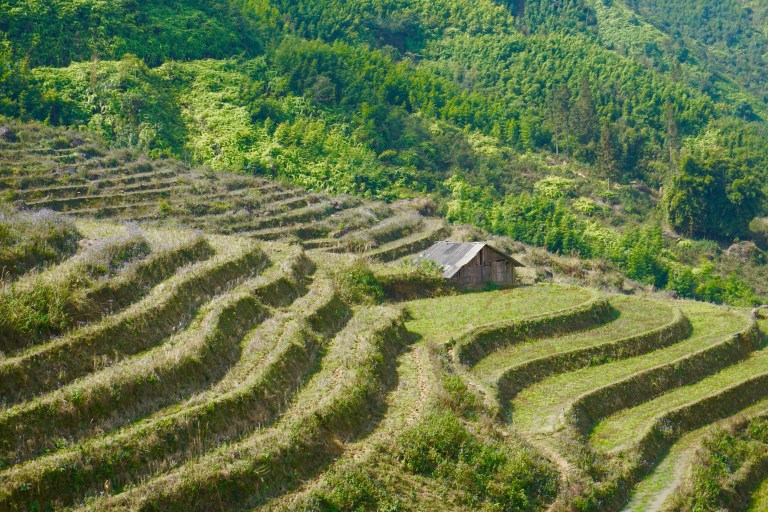
We were really surprised by the complexity and detail of the rice terraces, many of them have been around for a long time and require a lot of upkeep. The weather is really changeable with cloud rolling in super quickly. It is nearing the end of the cool dry season which means the rice fields are yet to be replanted, the bonus of that is that the farmers let their animals out to roam and have their babies so there are baby animals everywhere!
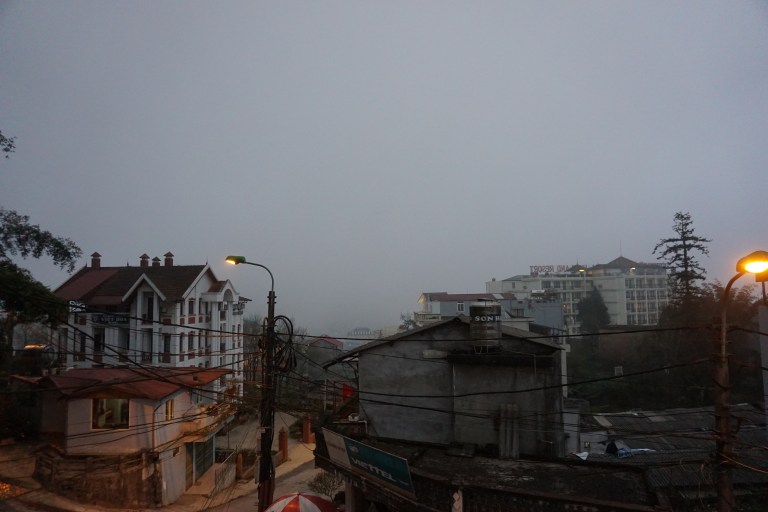
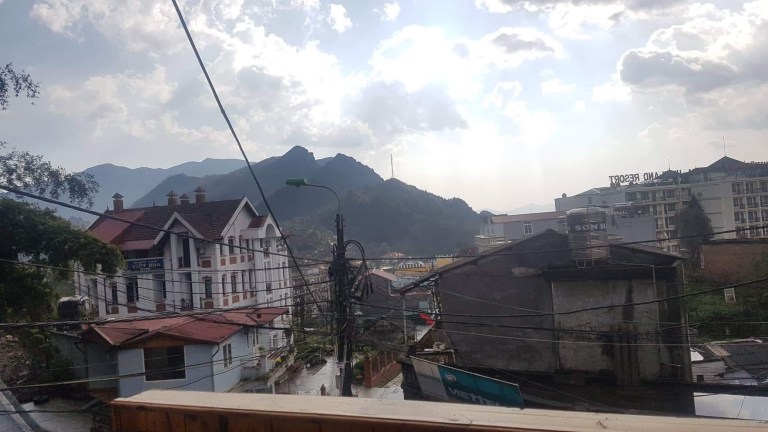
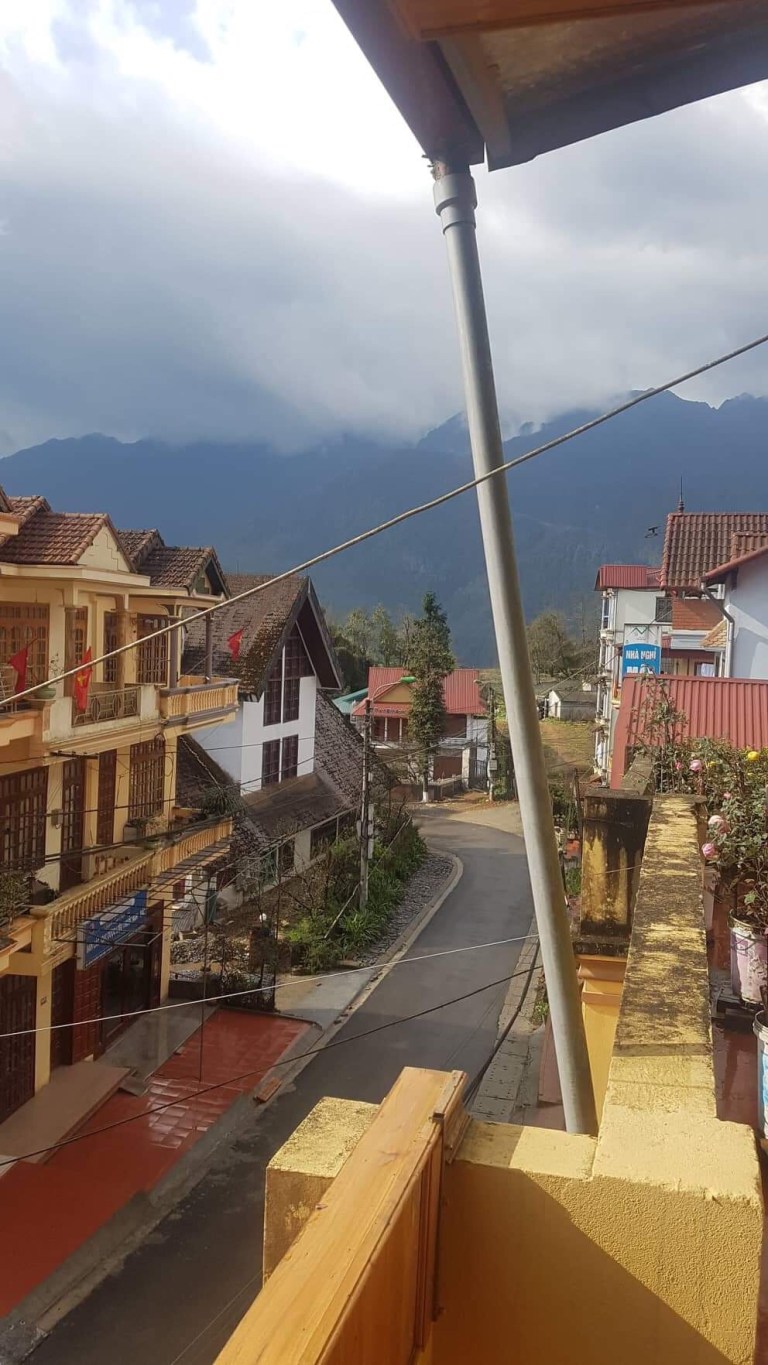
As our trek was only two days we spent the other days just chilling out in Sapa Town planning the next part of our journey through Vietnam. We stayed at this cute guest house run by a very kind lady who only speaks Vietnamese. Google translate is the best. It was nice to have a room with a view that wasn’t a concrete wall for a change.
The people in Sapa are so friendly and the town itself very charming. We could have definitely stayed longer if we had time.
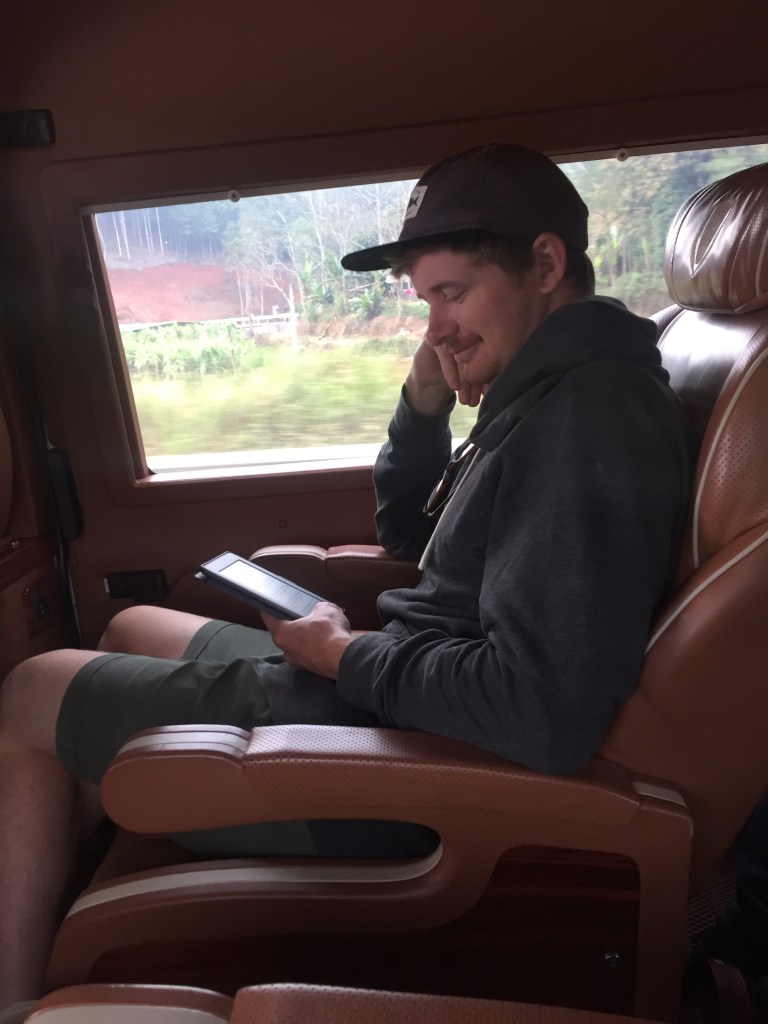
I’m writing this in the comfort of a deluxe minivan complete with wifi. We had a hell of a bus trip to Sapa in the coffin seats at the back of a bus, again being the only English speaking people. We splashed out double the price to go back in style, so worth it.
Trekking through the Sapa hills
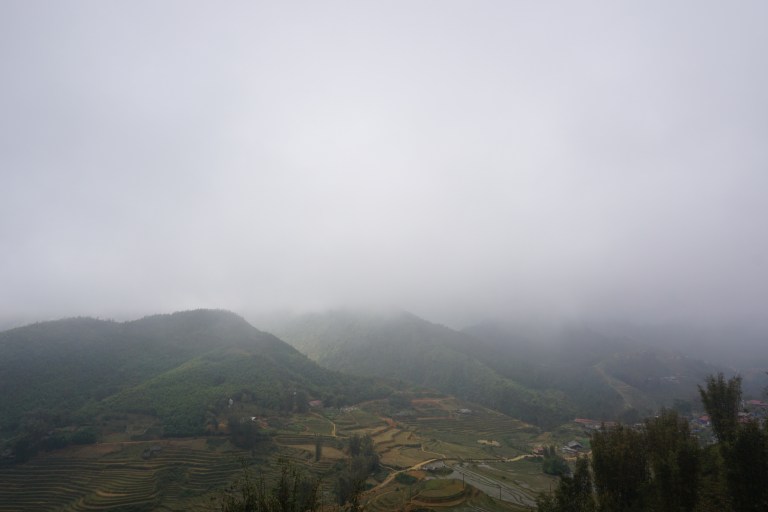
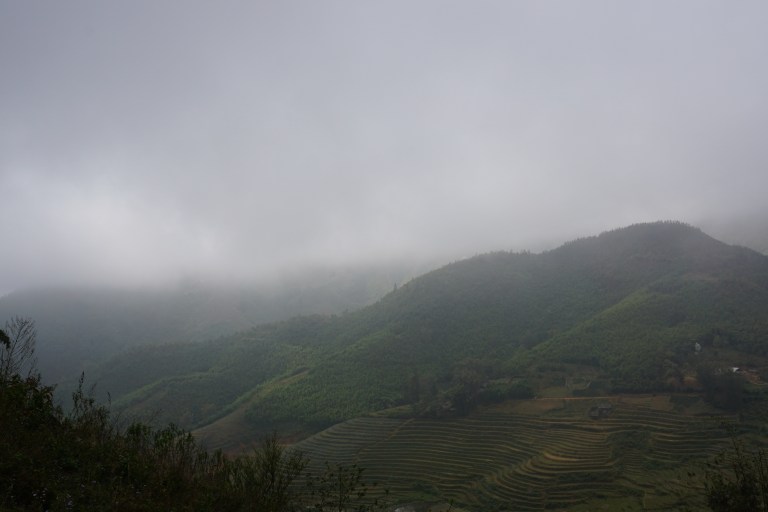
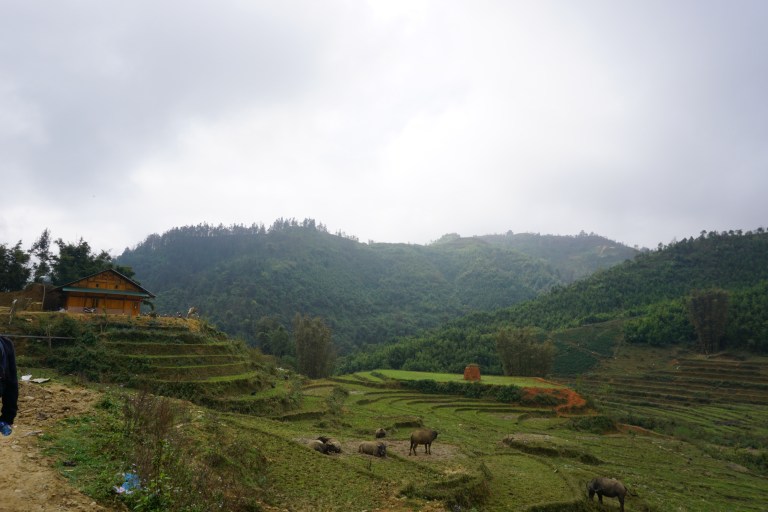
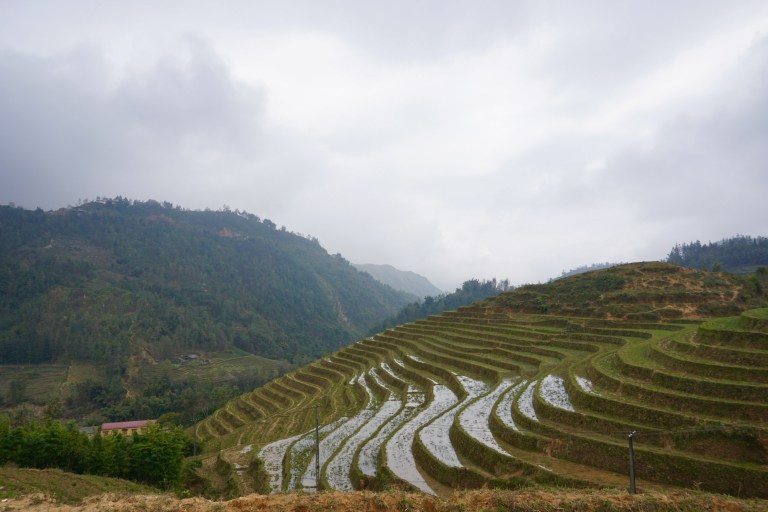
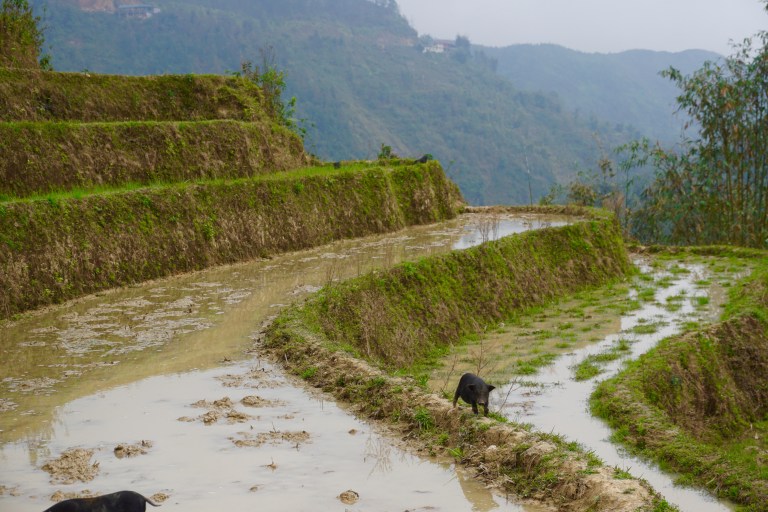
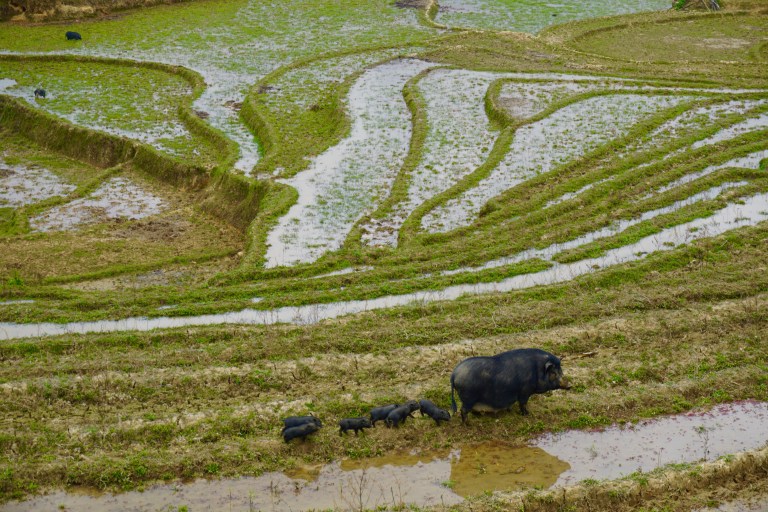
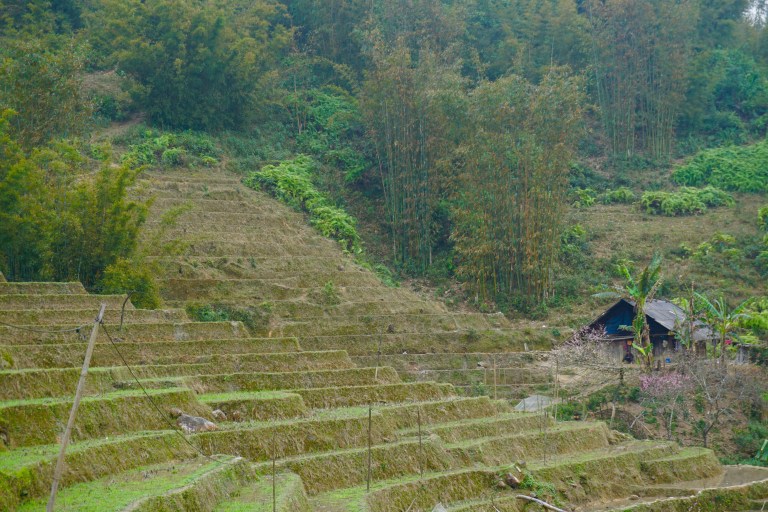
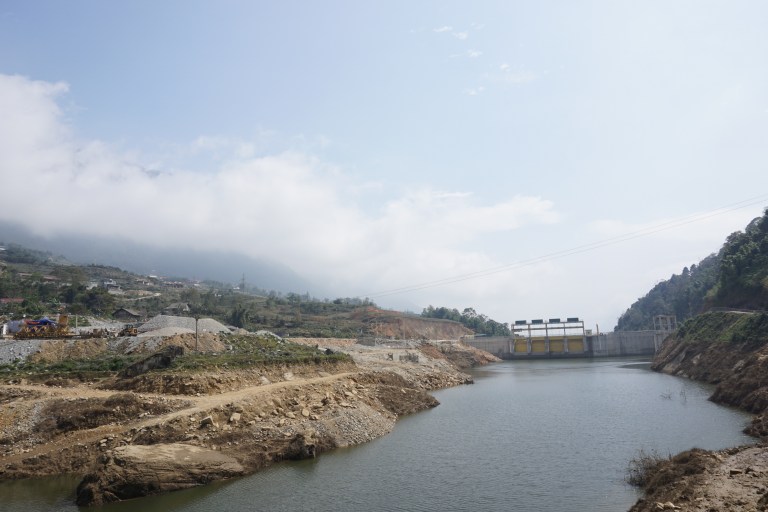
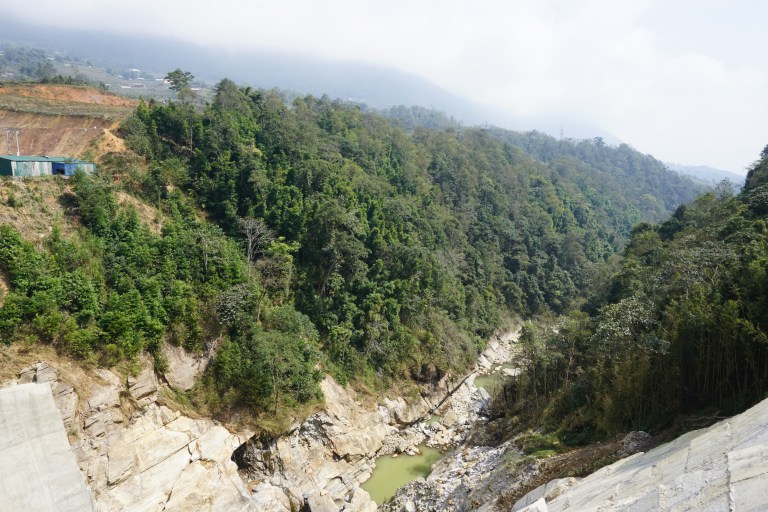
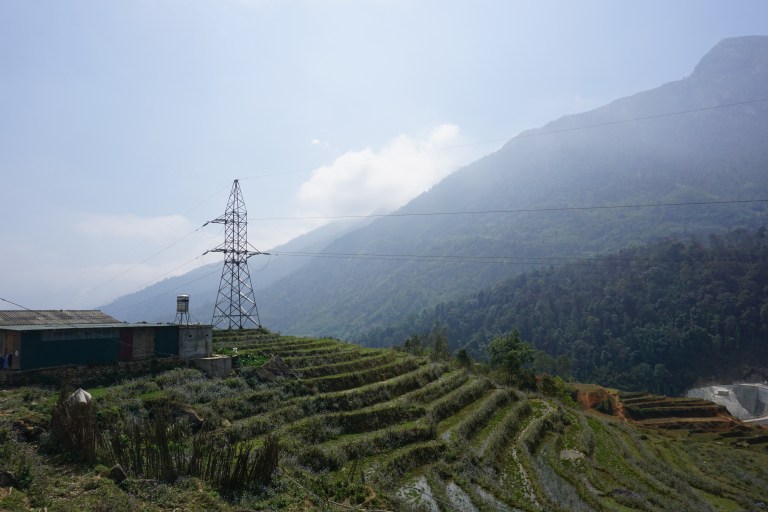
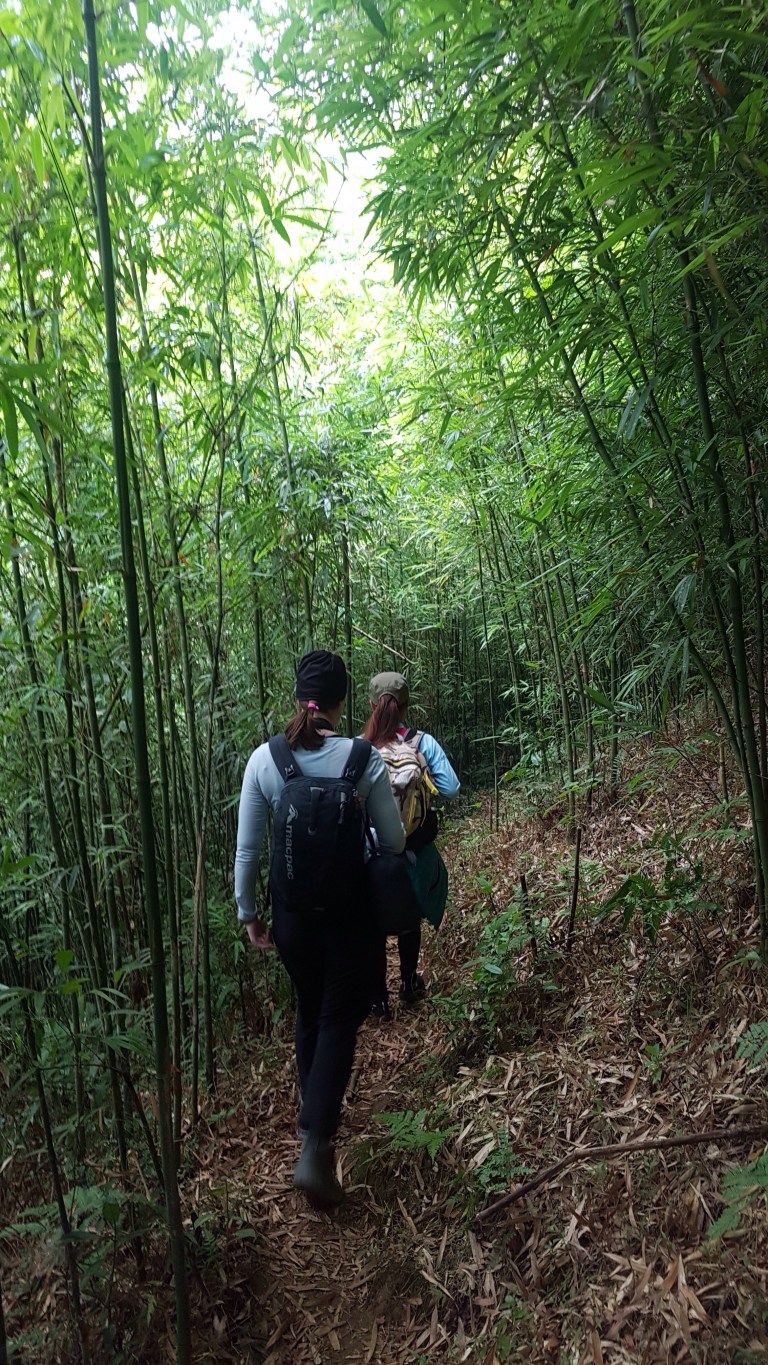
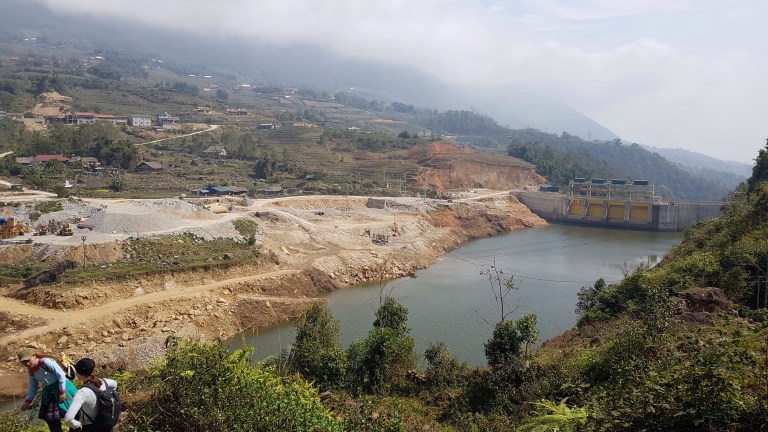
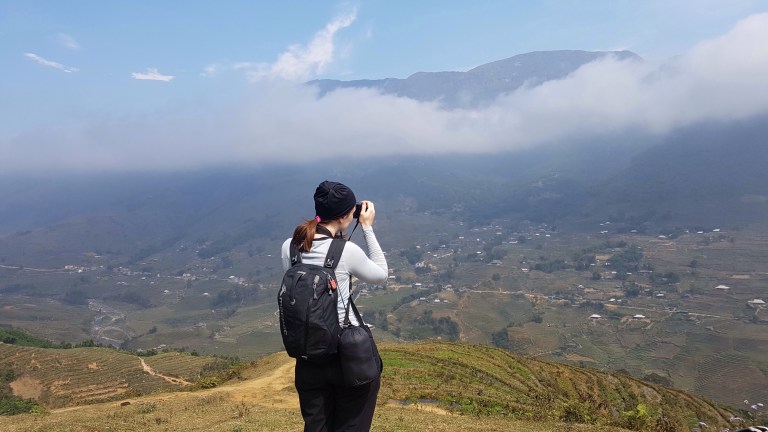
May’s secondary school – she used to ride a buffalo up the hill as a child!

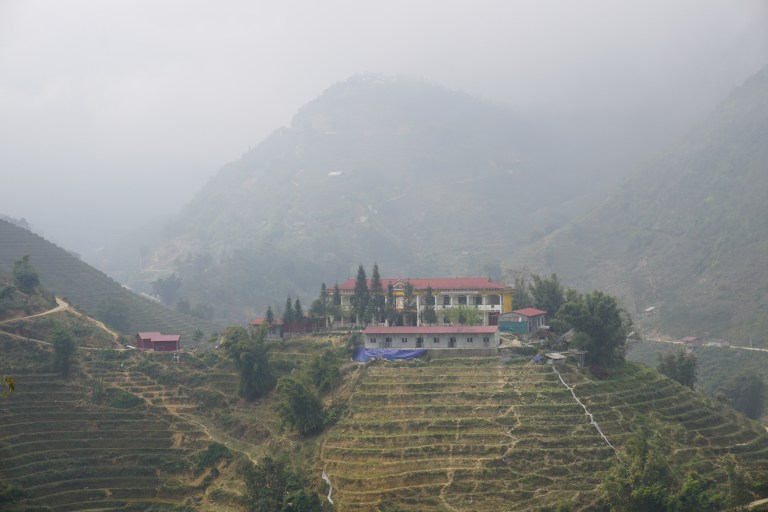

View from Zao’s house

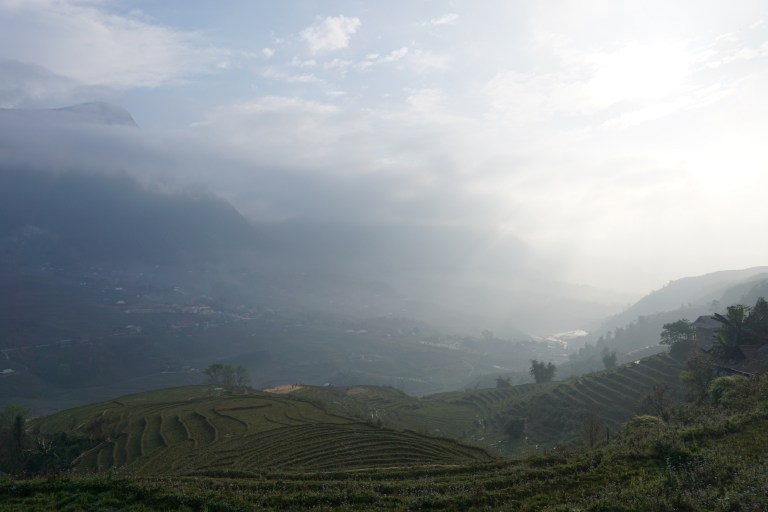
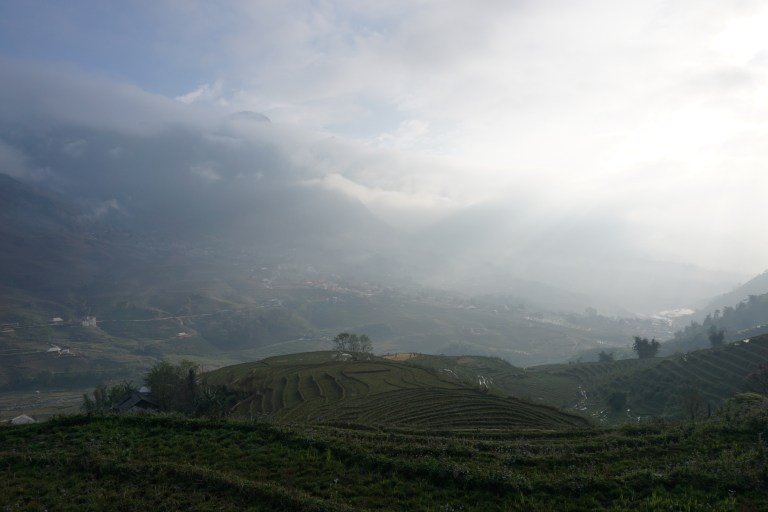
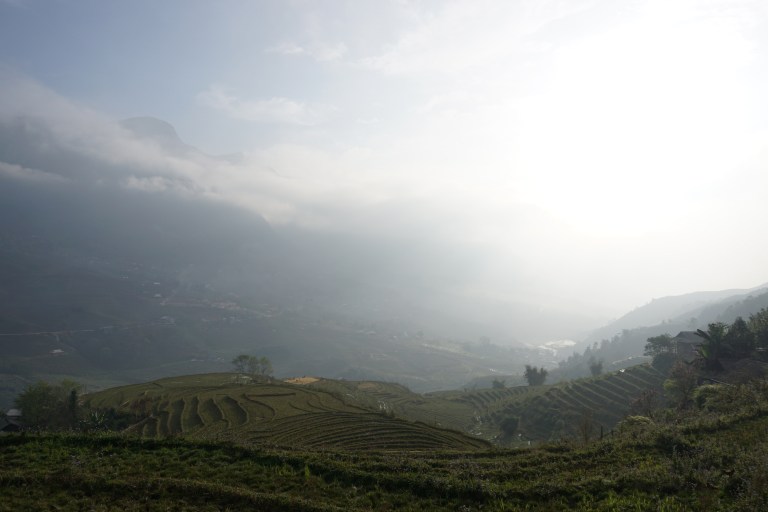
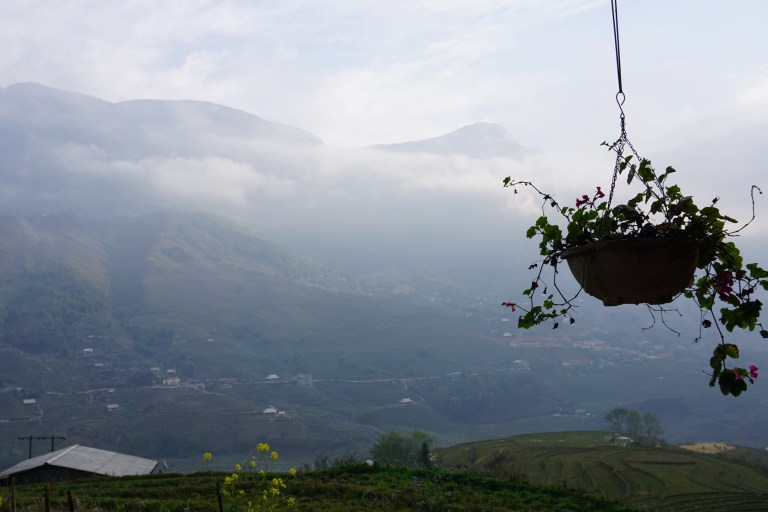
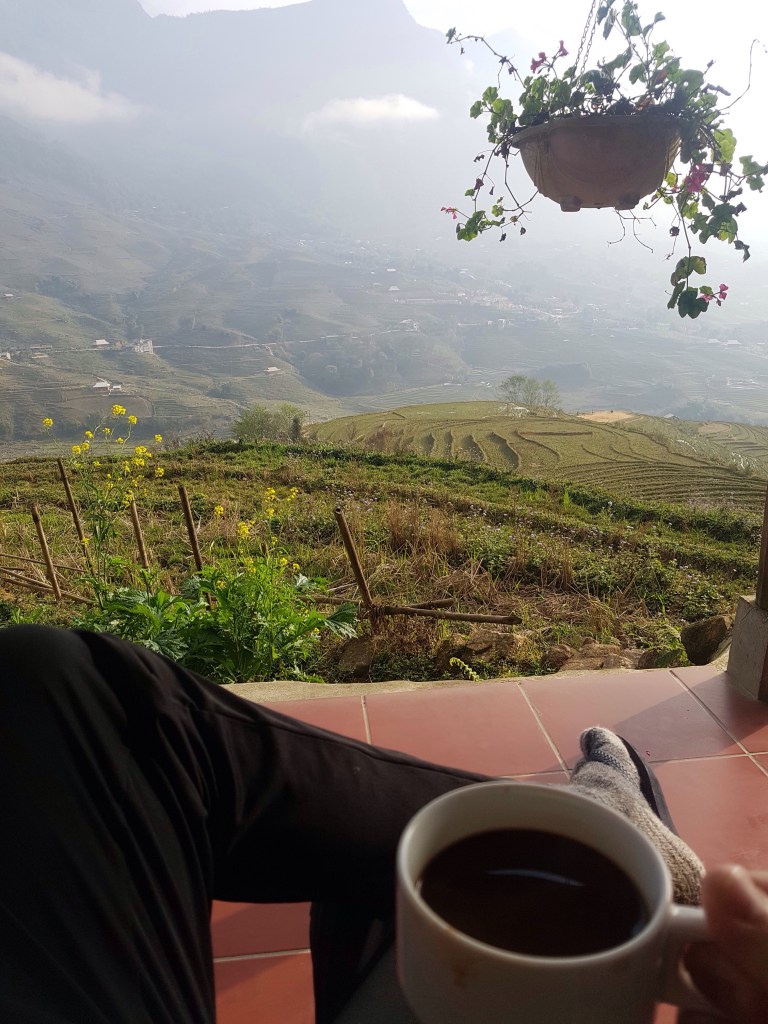
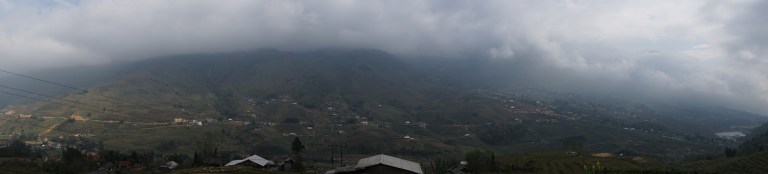
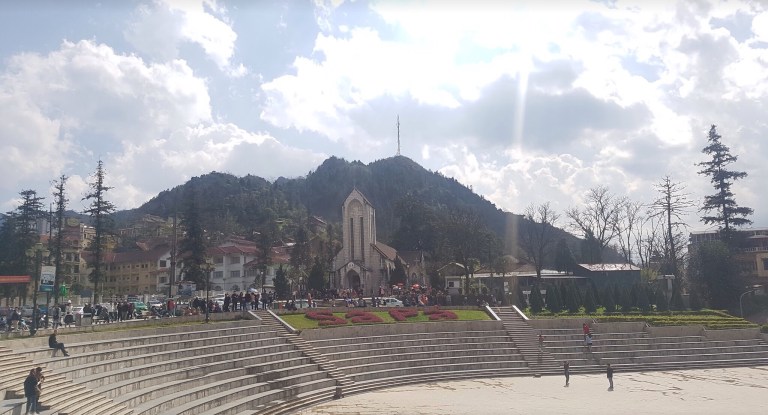
Sapa Town
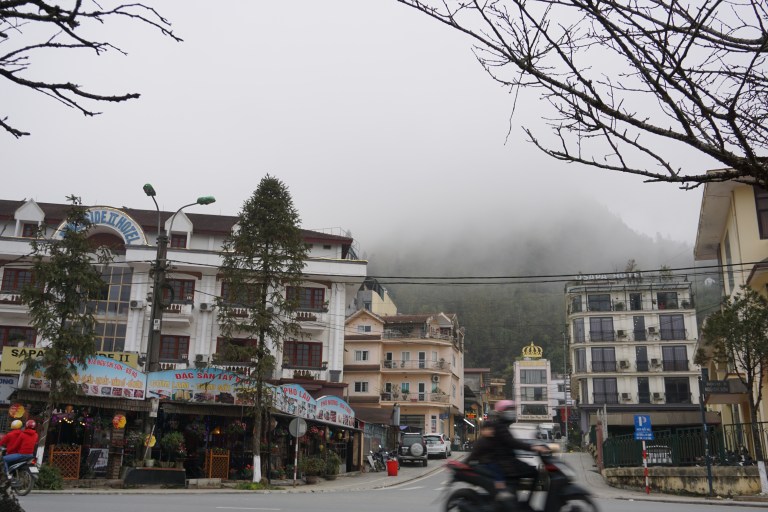
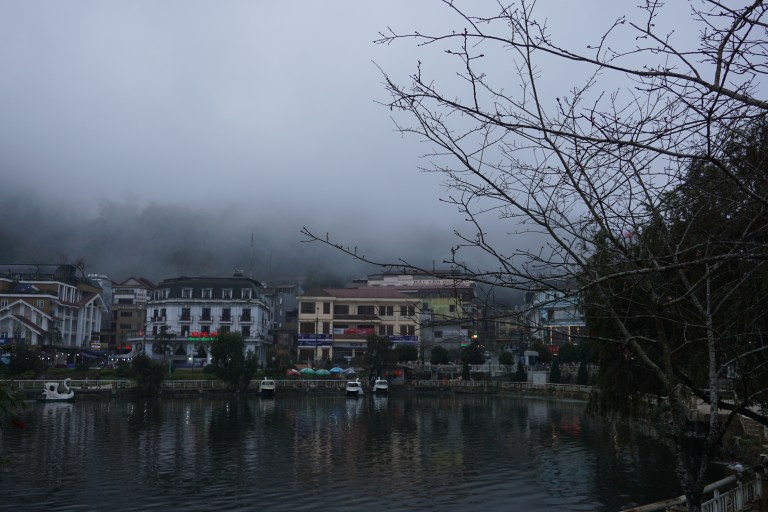
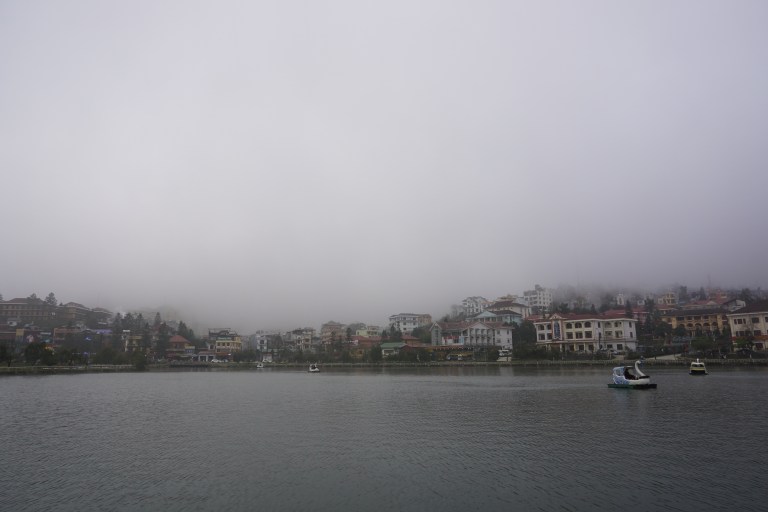
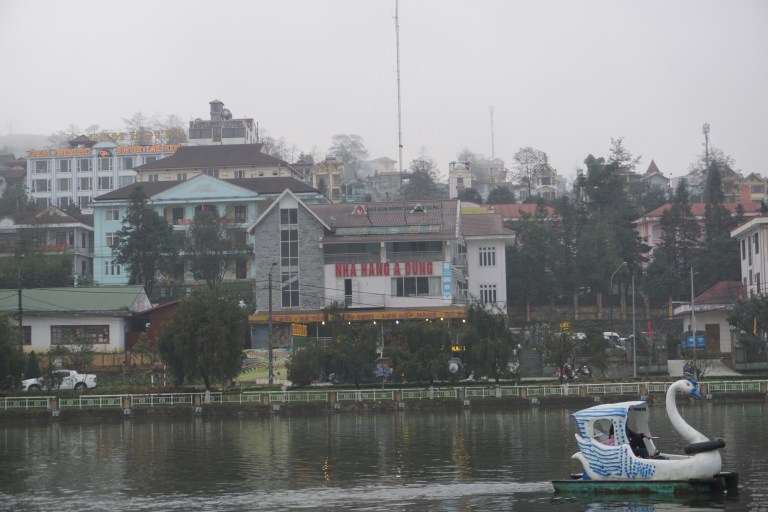
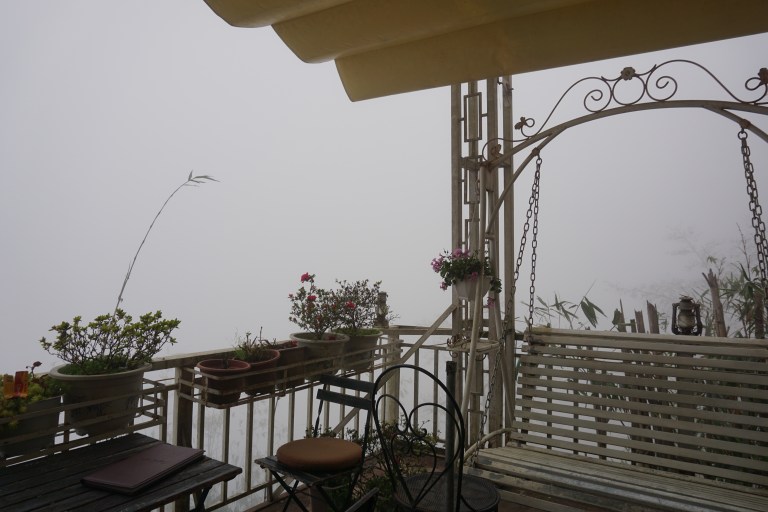
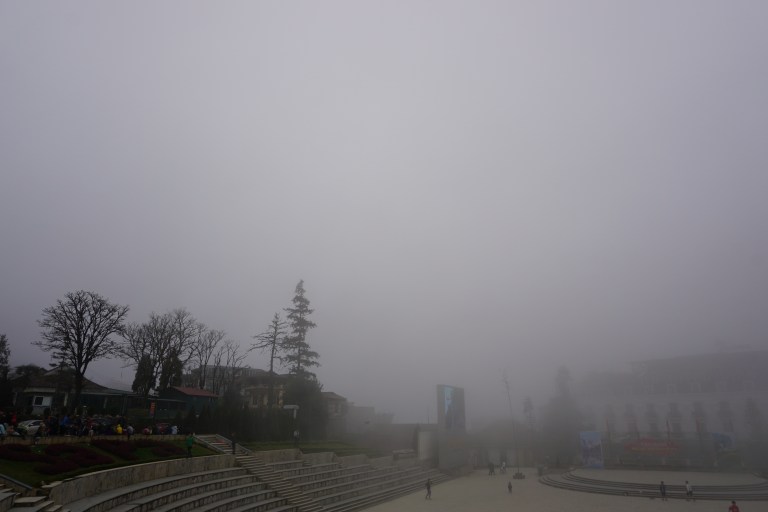
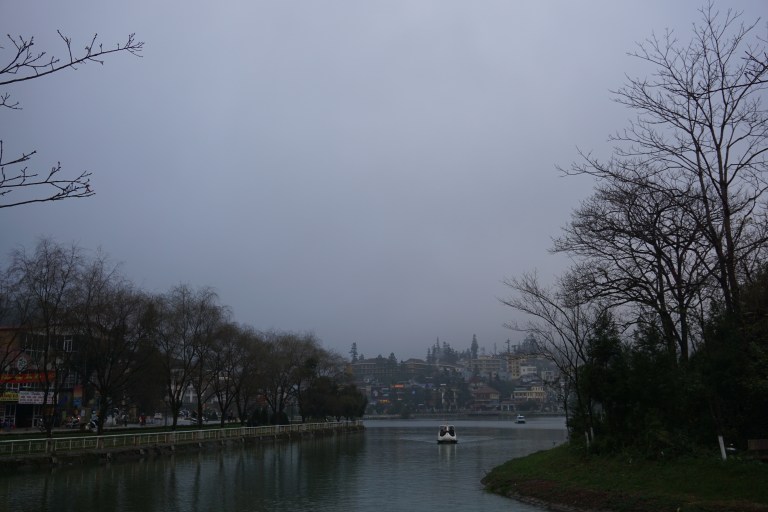
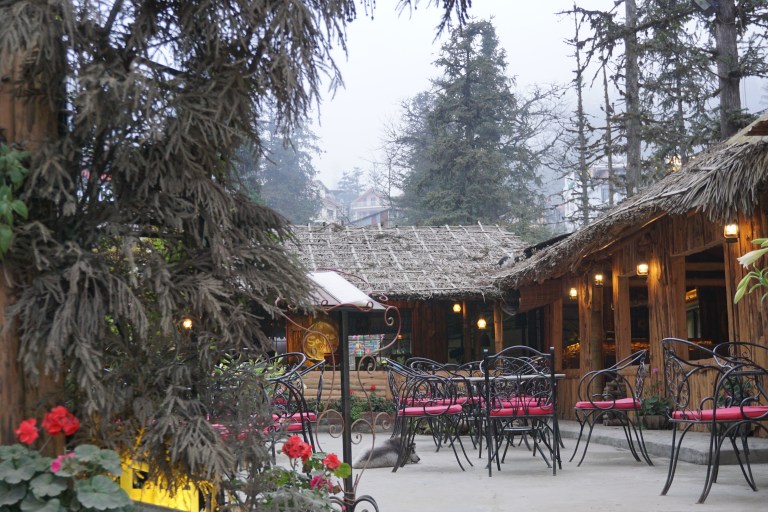

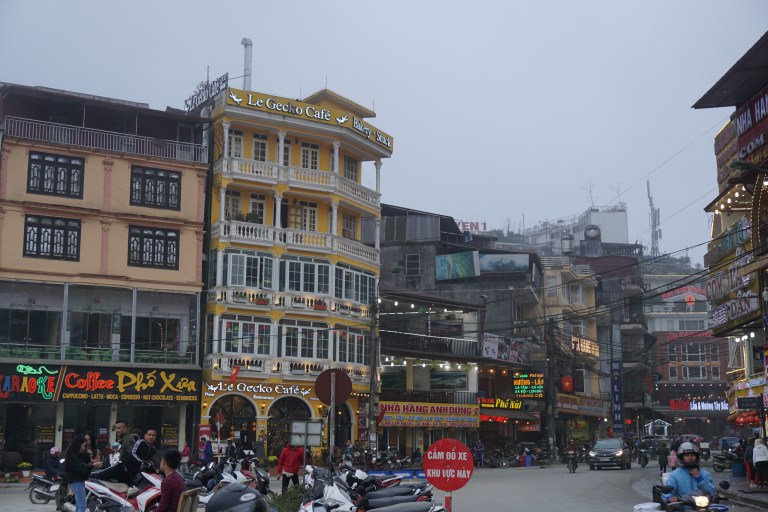
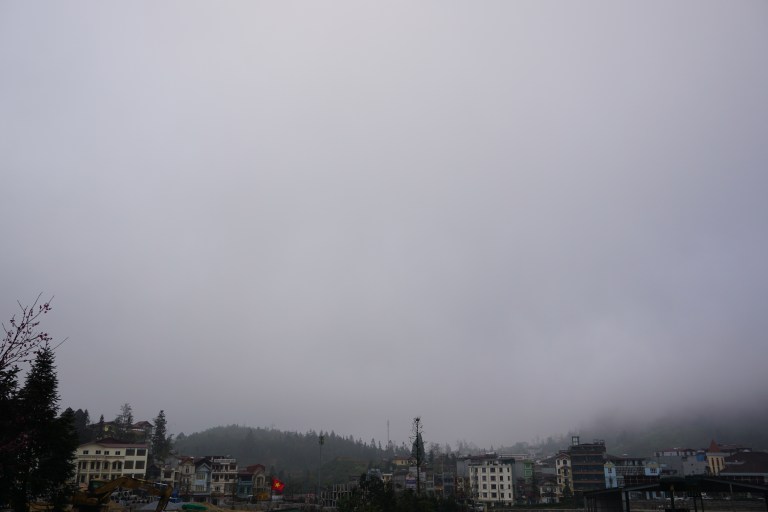
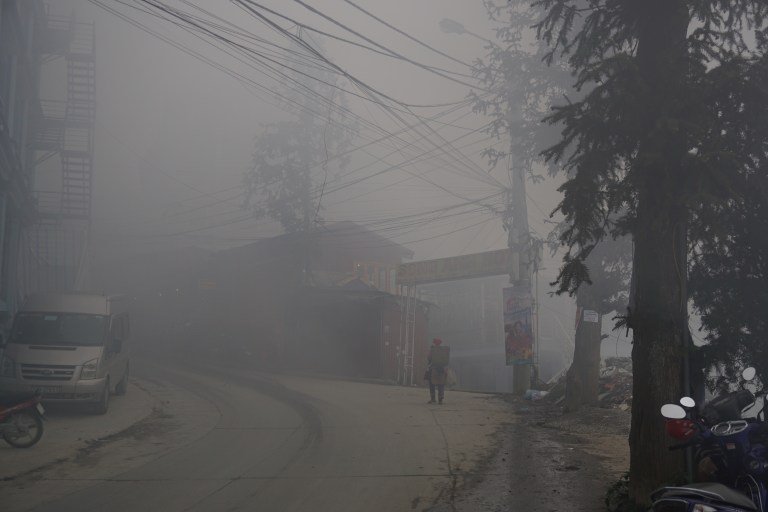
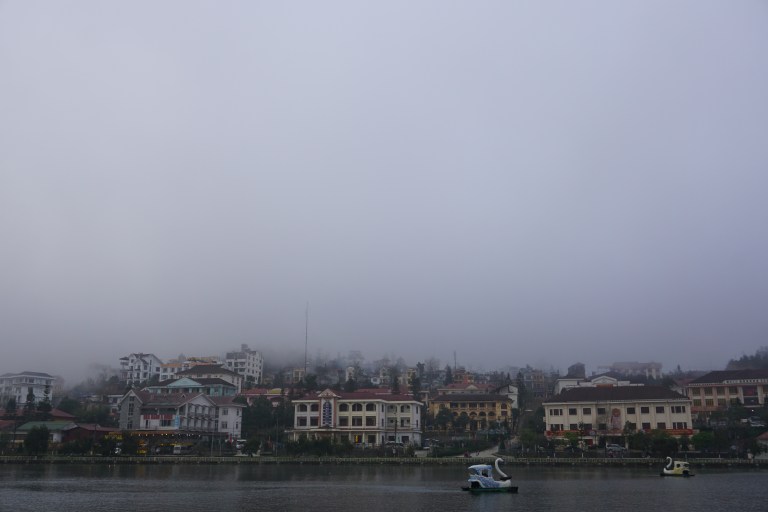
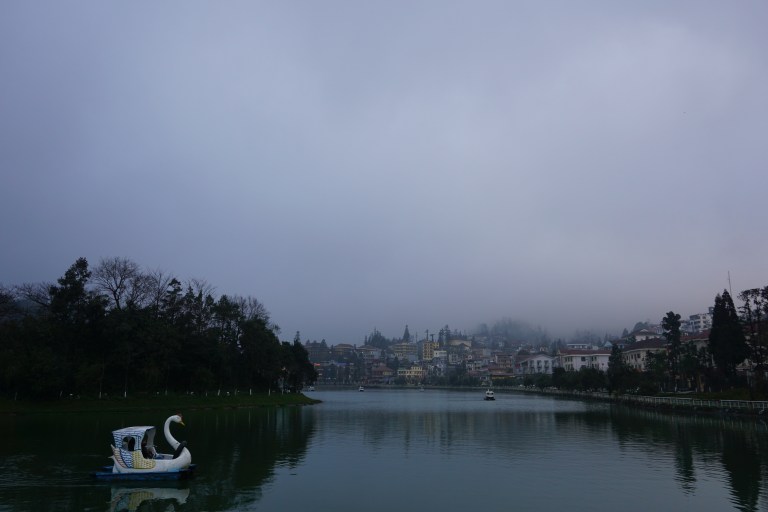
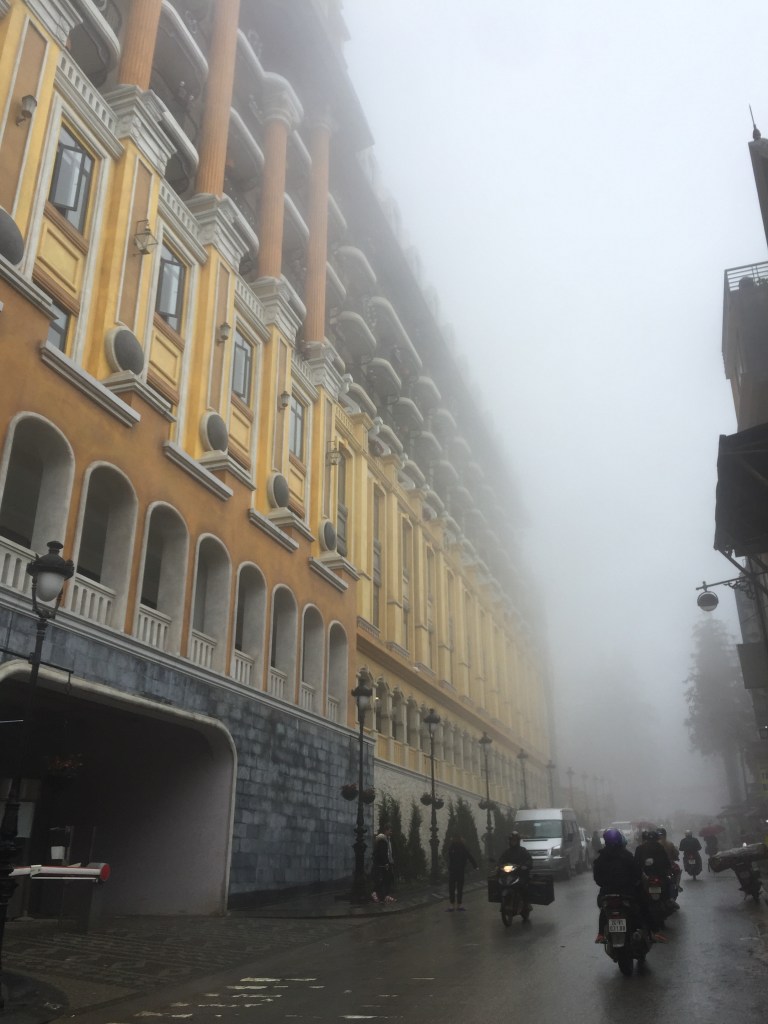
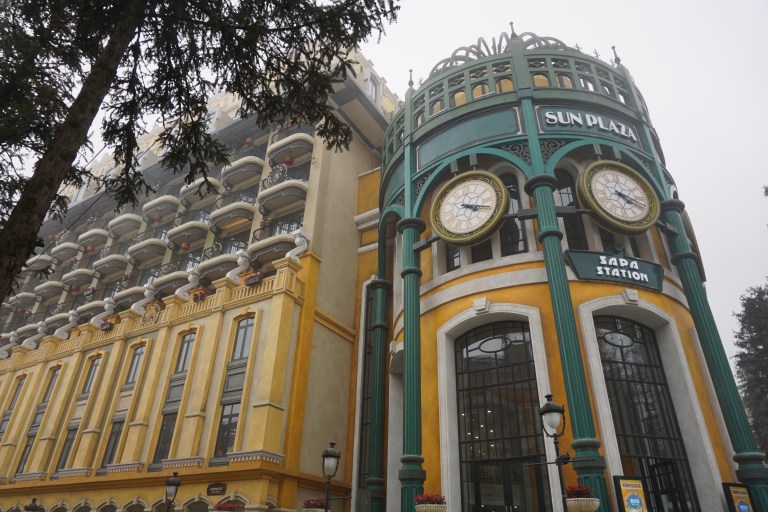
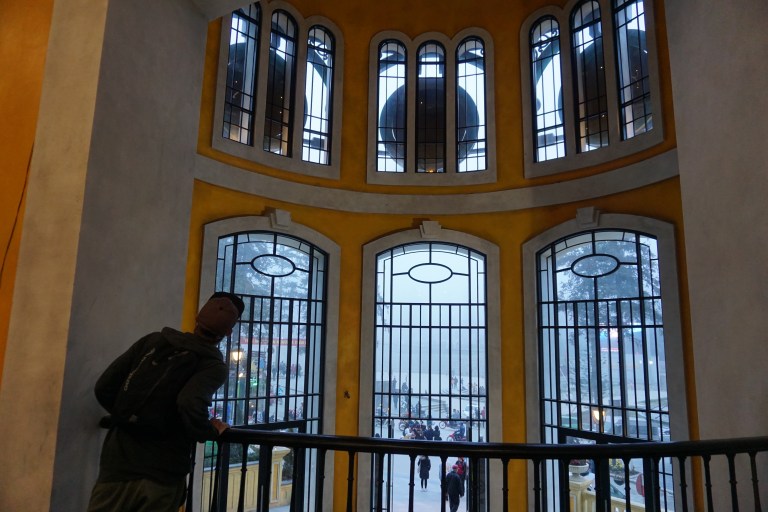
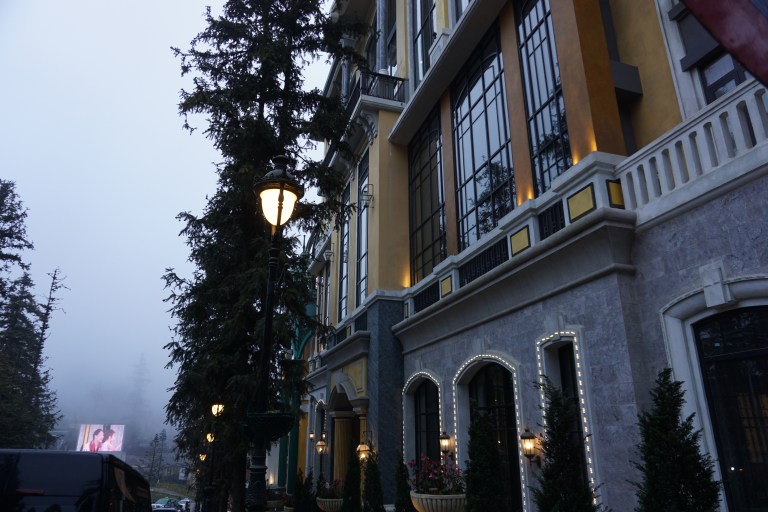
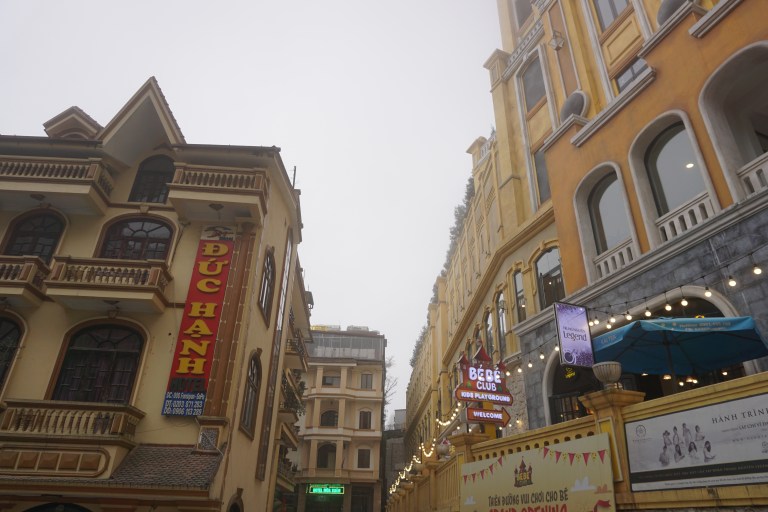
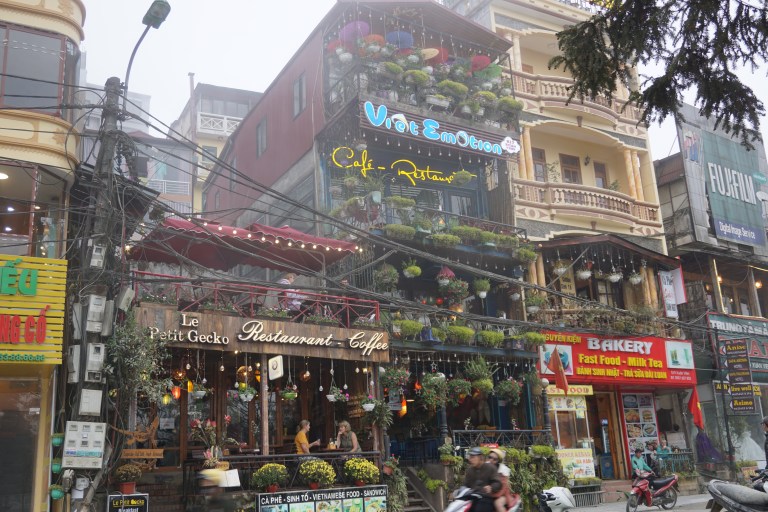
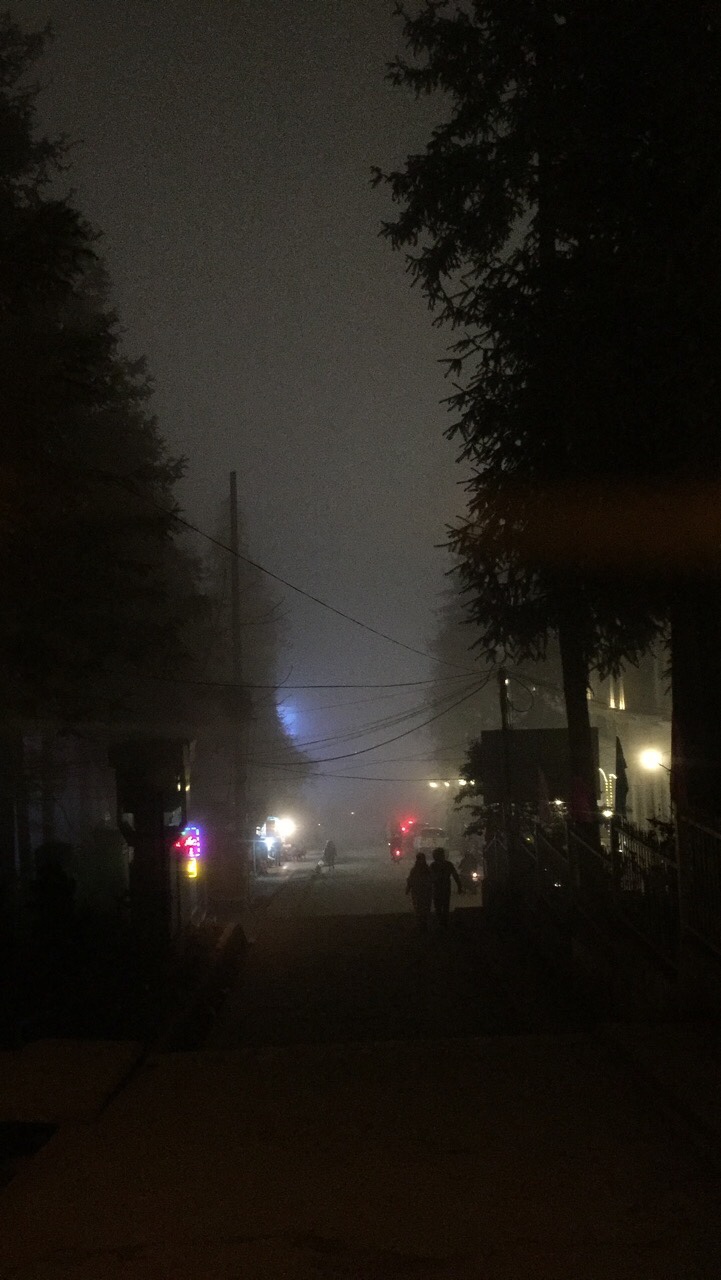
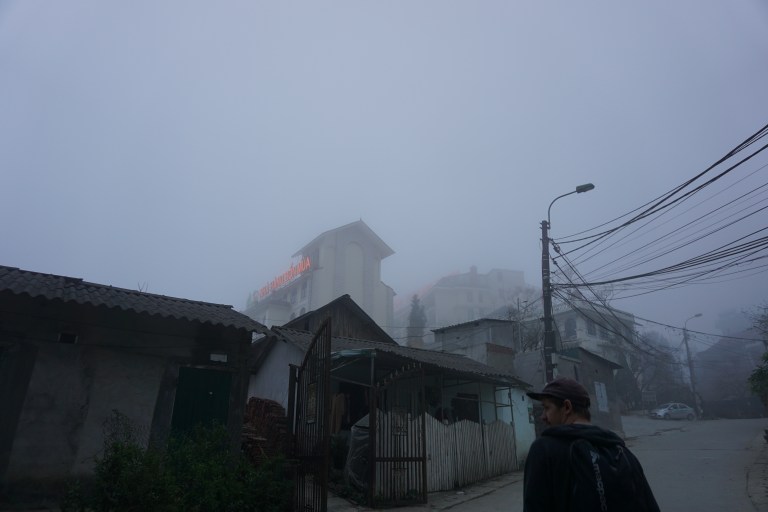


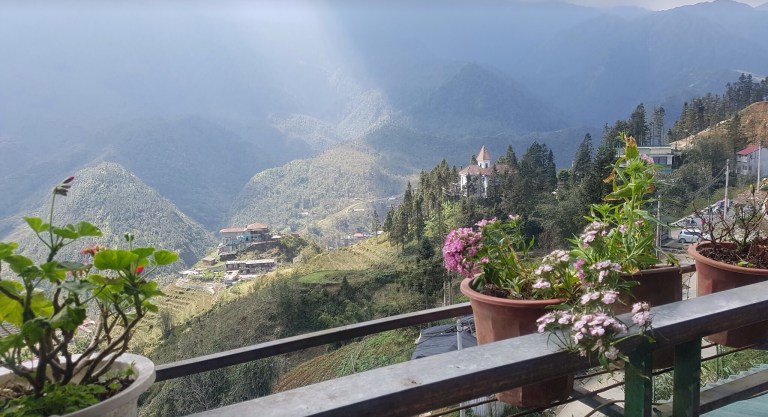
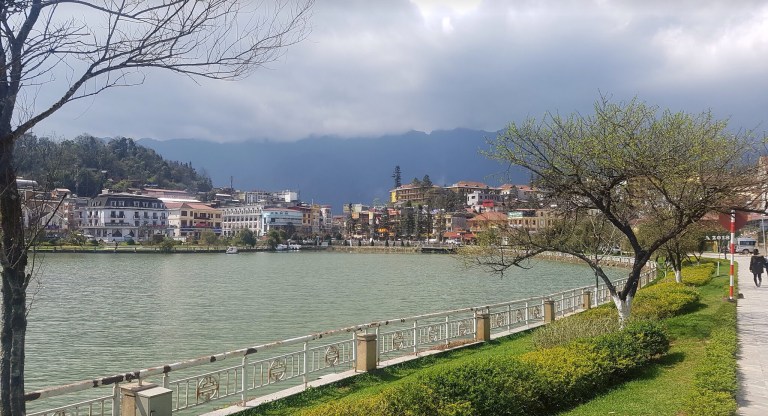
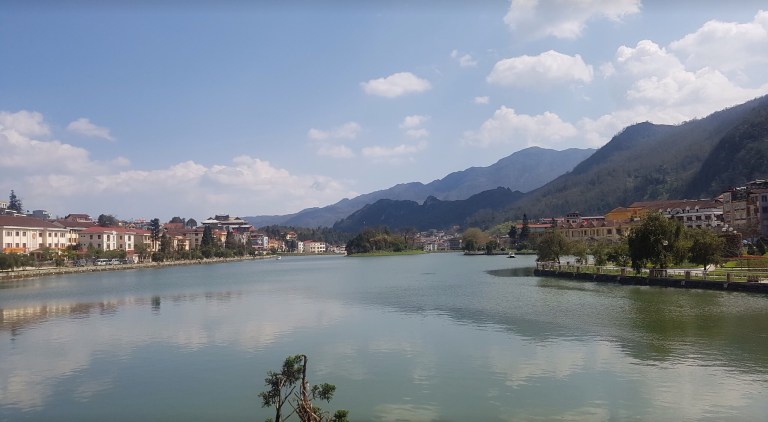
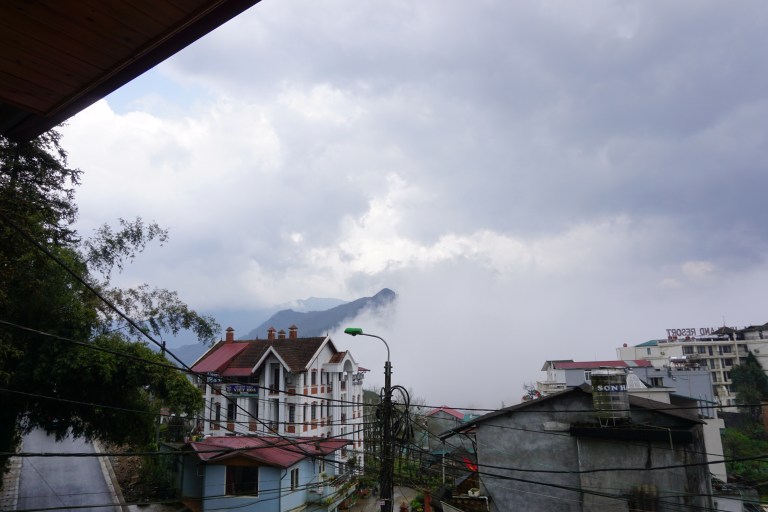
View from our balcony – all seasons in a day!

 Ride to Sapa

Ride back to Hanoi
 Matt Erin Travel
So interesting to read how the lives of some young women are slowly becoming more progressive but alas they are a minority.
Kimberley meet some Nepalese women who had set up their own cooking school business in Pokhara, so a similar story. The movement has certainly started, thanks to tourism.
LikeLike
It is fascinating! I think the tourism industry and western influence is definitely inspiring young women in these places, especially since they meet so many young solo female travellers who share their stories of what life is like in their countries.
LikeLike